"Things Are Going in the Wrong Direction": U.S. Wholesale Inflation Hits Its Highest Level Since 2022

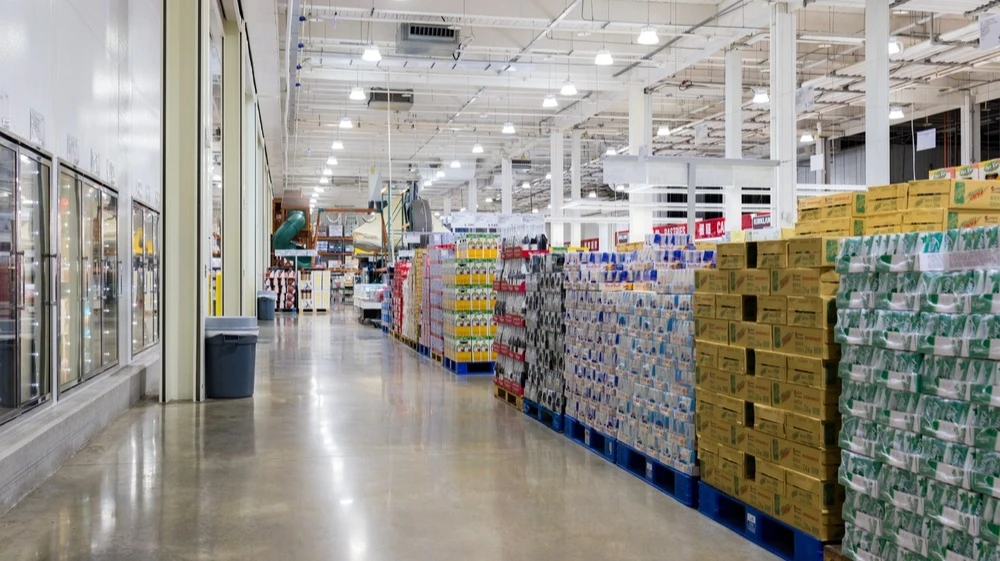
Wholesale inflation in the U.S. accelerated to 6.5%—the highest level in nearly four years / Photo: leungchopan / Shutterstock
Wholesale inflation in the U.S. accelerated in October at the fastest annual pace since November 2022. This is further evidence of sustained price pressures across the economy, Bloomberg notes. Traders are virtually certain that, due to the sharp rise in prices, the Federal Reserve will raise interest rates in December; the only question is by how much.
Details
The Producer Price Index (PPI) rose 6.5% compared with October 2025 and accelerated from September, according to data from the Bureau of Labor Statistics (BLS) released on Friday. On a month-over-month basis, the PPI rose 0.3%. Economists surveyed by Dow Jones had forecast a 0.4% increase, according to CNBC.
Excluding food and energy, wholesale prices rose 5% year-over-year and 0.3% month-over-month, as expected.
Wholesale food prices rose 1.3% over the past month. This is the sharpest increase since February, according to Bloomberg. Food prices are rising due to several factors, including conflicts in the Middle East and between Russia and Ukraine, as well as tariffs, the agency explains.
Several components of the PPI are particularly important to the Fed because they are used to calculate its preferred measure of inflation—the Personal Consumption Expenditures (PCE) price index. The BEA will release this index on November 25.
What's next?
"The PPI data showed some signs of improvement, although they remain too high. But they are unlikely to change the Fed's stance in December, since the CPI data (Consumer Price Index — Oninvest) have already moved beyond its comfort zone,” said Chris Zaccarelli, chief investment officer at Northlight Asset Management. His comments were reported by CNBC.
The CPI rose 0.4% month-over-month in October—more than analysts had expected, although the pace of price increases slowed compared with September. But for traders, this signaled that the Federal Reserve is virtually guaranteed to raise rates at its next meeting in December. Currently, the probability of a 25-basis-point hike is estimated at 93.4%, and that of a 50-basis-point hike at 6.6%, according to the FedWatch tool.
“We’ve been seeing signs of trouble for several months in a row,” said Ostin Goolsbee, president of the Federal Reserve Bank of Chicago, in an interview with CNBC on Friday. “If you look at how widespread inflation has become, it’s not just that it has been above the target level for quite some time. Even in categories that are unaffected by oil prices or tariffs, progress remains stalled, and in some areas, the situation is getting worse.”
This article was AI-translated and verified by a human editor