Assets under management at BlackRock exceeded $15 trillion for the first time
The world's largest investment firm exceeded market expectations thanks to an influx of funds into ETFs and private investments

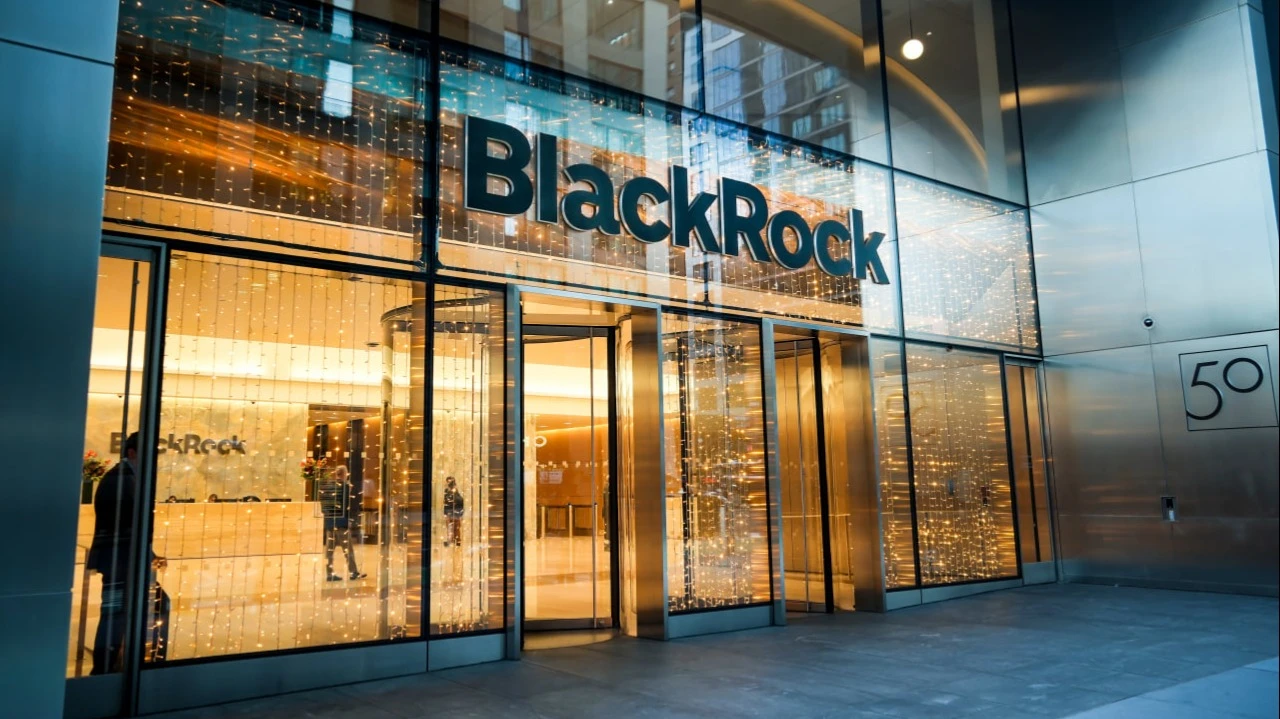
Assets under management at BlackRock have exceeded $15 trillion / Photo: rblfmr / Shutterstock.com
BlackRock, the investment firm led by Larry Fink, has surpassed the $15 trillion mark in assets under management for the first time in history. In the second quarter, it attracted $192 billion in net client inflows, bringing the total for the first half of the year to a record $321 billion, according to the report.
Inflows into long-term funds totaled $199 billion in the second quarter—exceeding analysts’ consensus forecast of $170 billion. Exchange-traded funds (ETFs) were the main driver, attracting $178 billion. Investors withdrew $7 billion from money market funds.
The company also reported an 8% increase in core fee income, driven by growing demand for products that are more profitable for the manager and carry higher fees—alternative investment funds, systematic strategies, and actively managed ETFs. This marks the eighth consecutive quarter in which the metric has grown by at least 5%.
BlackRock, which has long been a leader in the equity, bond, and other public asset markets, is now transforming into one of the largest players in the private lending and infrastructure investment markets, according to Bloomberg. In particular, this was driven by the $12 billion acquisition of the lending firm HPS Investment Partners in 2025. The company stated that fees related to this transaction also contributed to revenue growth.
Overall, BlackRock's revenue rose 31% to $7.1 billion, while adjusted earnings per share increased 15% to $13.91. Both figures significantly exceeded Wall Street's expectations.
The company's stock jumped 4.5% in pre-market trading in New York following the release of its financial results. From the start of the year through the close of trading on Tuesday, July 14, BlackRock’s market capitalization fell by 4.2%, while the S&P 500 index rose by 10.2% over the same period.
This article was AI-translated and verified by a human editor