Barclays expects a turnaround in lagging sectors. Which stocks are likely to win?
In some stocks against the background of signing a peace agreement between the U.S. and Iran, a short-squeeze is possible - a sharp increase in quotations due to the liquidation of short positions, warned analysts of the bank

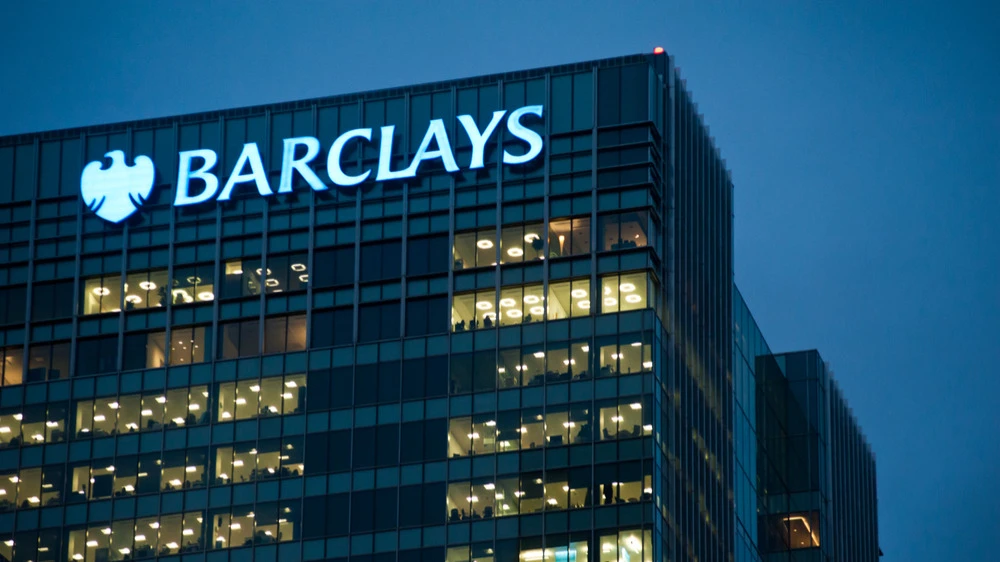
Barclay's named the industries that shorts should avoid / Photo: pcruciatti / Shutterstock.com
A short-squeeze is possible in shares of consumer goods manufacturers that are not essentials if an agreement between the US and Iran is signed, Barclays has warned. This category includes luxury brands, travel companies, automakers and retailers. A similar situation may occur in the financial sector, the bank wrote in a note quoted by Business Insider.
Details
The expected peace agreement between the U.S. and Iran will remove an important factor of pressure on the market and may open the way to a summer rally in stocks, writes Business Insider. At the same time, in some shares, short-squeeze is possible, if a sharp rise in quotations will force investors, who bet on the fall, to close short positions, predicts Barclays.
The bank's analysts include financial sector stocks, luxury brands, travel companies, automakers and retailers in this category. Market participants have been negative on these sectors since the start of the Iranian war, and this could set the stage for a strong rally after the peace agreement, said a team of strategists led by Emmanuel Co.
"Beware of forced short positions in laggard consumer stocks and rate-sensitive companies," Barclays said in a note. - The sharp decline in valuations of consumer-related companies is likely improving their tactical risk-to-potential return ratio."
The Iran deal would likely widen the range of rising stocks, analysts said. It's another factor that could spark strong growth in lagging sectors. Ko notes that there remains a wide gap between the sectors that have benefited from the war - energy, telecoms, utilities and insurance - and the losers, which include mining companies and banks, as well as non-essential consumer goods producers. Therefore, "some backwardation can be expected" in lagging stocks, the analyst wrote.
Context
Shares of companies dependent on consumer discretionary spending have been among the hardest hit amid the war in Iran. Investors fear that inflationary pressure from rising oil prices could force consumers to cut spending in other categories. This would hit retailers, airlines and other consumer-oriented companies the hardest.
By mid-Ma, short positions in the iShares US Consumer Discretionary ETF rose to $14.1 million, up 48% in 15 days, Business Insider calculated.
The sector fell 8% in the weeks after the Iranian crisis began, but has already started to recover thanks to optimism about a speedy resolution to the conflict, the publication said.
This article was AI-translated and verified by a human editor