"Weeks, not months": The IEA warned of the threat of a global crisis over the Strait of Hormuz
Traders say there are almost no oil reserves left that could mitigate the effects of a war with Iran

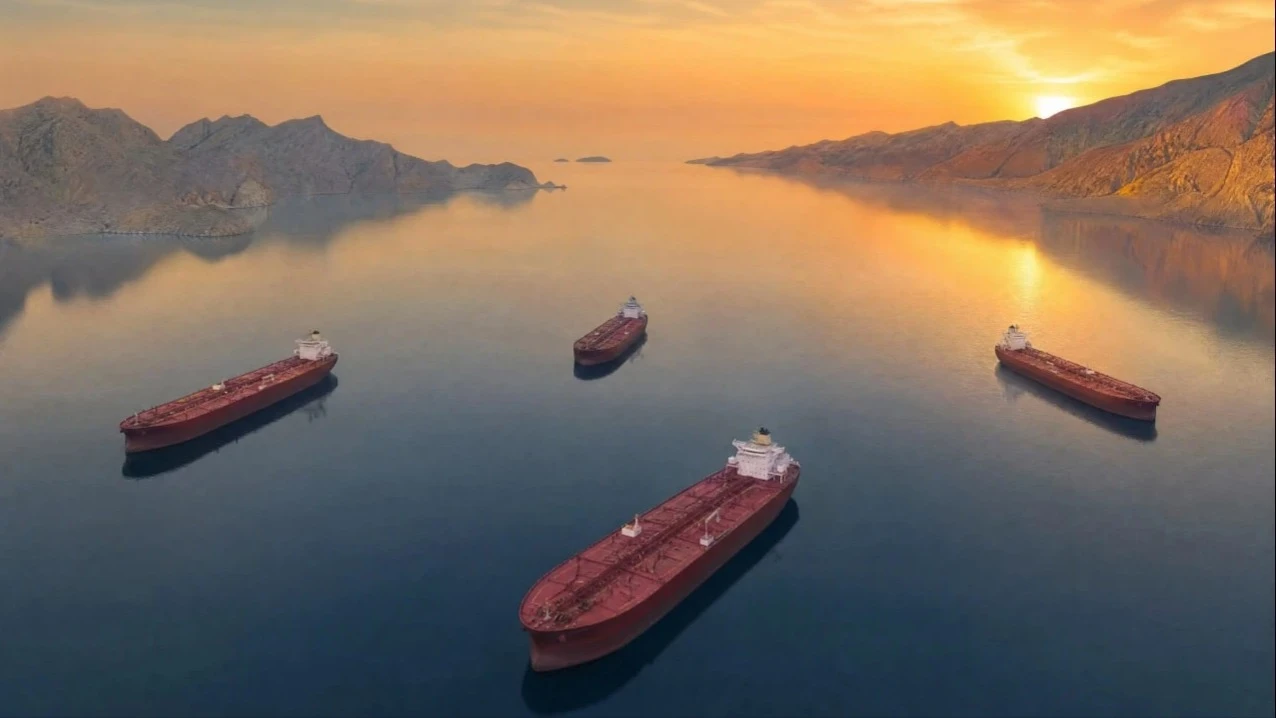
The breakdown of the truce between the U.S. and Iran has virtually paralyzed oil exports from the Persian Gulf / Photo: Boukhatala Chamseddine/Shutterstock.com
The global economy will be on the brink of a crisis if the Strait of Hormuz does not reopen in the coming weeks, warned Fatih Birol, head of the International Energy Agency (IEA). The latest round of escalation between the U.S. and Iran has virtually halted traffic along the route through which about one-fifth of the world’s oil supplies typically pass. Meanwhile, the market has already used up most of the reserves that helped mitigate the effects of the first phase of the conflict.
Details
“If the Strait of Hormuz remains closed, the world’s economies—including those in the [Middle East] region, developing nations, and Asian countries—could once again face difficulties,” Birol said in an interview with Bloomberg on the sidelines of the Aspen Security Forum. According to him, “we’re talking not about months, but about weeks,” within which the strait must be “fully and unconditionally open.”
The resumption of hostilities threatens the transit not only of oil but also of natural gas, fertilizers, and other cargoes through one of the world’s most important maritime routes. Disruptions in the supply of energy resources and industrial raw materials from the Persian Gulf have already affected South Korea and Japan. However, Bangladesh, Pakistan, and India are far more vulnerable to a prolonged closure of the strait, the IEA chief emphasized.
Reserves are running out
Oil traders surveyed by the Financial Times (FT) warn that a new round of the Iran crisis could lead to an oil shortage, but this time there are almost no reserves left—reserves that helped avert more widespread economic consequences at the start of the war. “We’ve used up all our reserves. Absolutely all of them,” one of the traders admitted.
IEA member countries have already released nearly three-quarters of the planned 400 million barrels of oil from strategic reserves—the release of which was announced in March—onto the market. This means that the additional supplies will run out in just a few weeks, the FT reports.
If the strait remains closed for months, traders don’t know where to get oil to make up for the lost volumes. “We have almost nothing left,” Amrita Sen, director of market analysis at Energy Aspects, told a British newspaper. “The market’s complacency regarding supplies through the Strait of Hormuz is now being put to a serious test.”
The market has paused
At the start of trading on July 16, oil prices rose for the fourth consecutive session, but Brent futures then fell 0.5% to $84.5 per barrel. U.S. WTI crude lost 0.2%, falling below $80. Both contracts remained near their monthly highs.
"Geopolitical risks continue to provide solid support for oil, but after a strong rally, traders are opting to adopt a wait-and-see approach," said Priyanka Sachdeva, an analyst at Phillip Nova (as quoted by Reuters).
Rates are rising
On July 15, the U.S. military struck Iran’s coastal defenses and missile facilities—after reimposing a naval blockade on Iranian ports. Tehran responded with attacks on U.S. bases in neighboring countries and called the situation an “existential war” with the United States, according to Reuters.
Some traders believe that Tehran intends to keep up the pressure on President Donald Trump until the U.S. midterm elections in November, the FT notes.
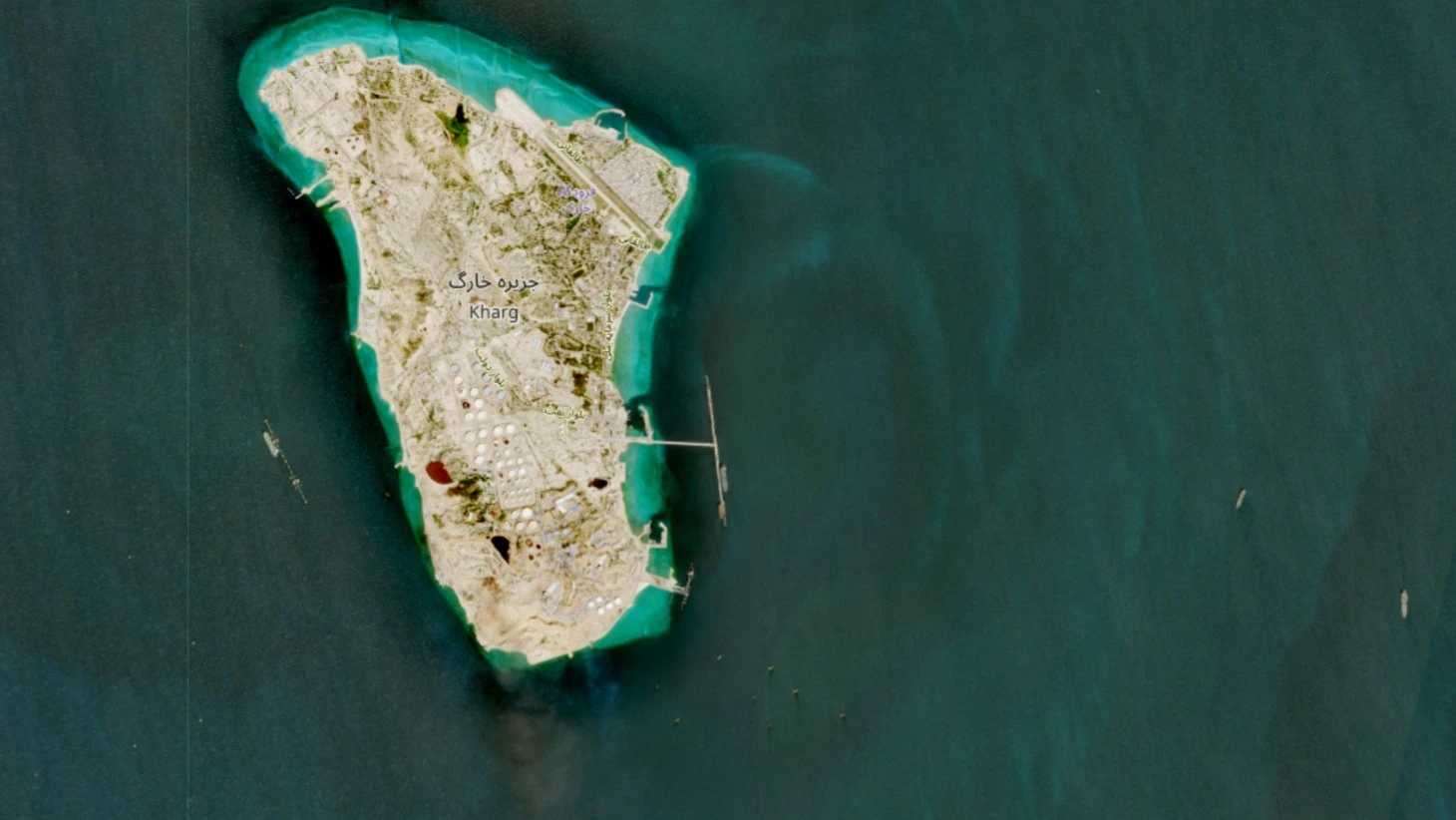
According to The Wall Street Journal, Trump himself is leaning toward expanding the military operation. Among the options discussed is the capture of Hark Island, where Iran’s main oil export terminal is located.
This article was AI-translated and verified by a human editor