Biohaven soars 25% as drug moves closer to approval. Is there more upside?

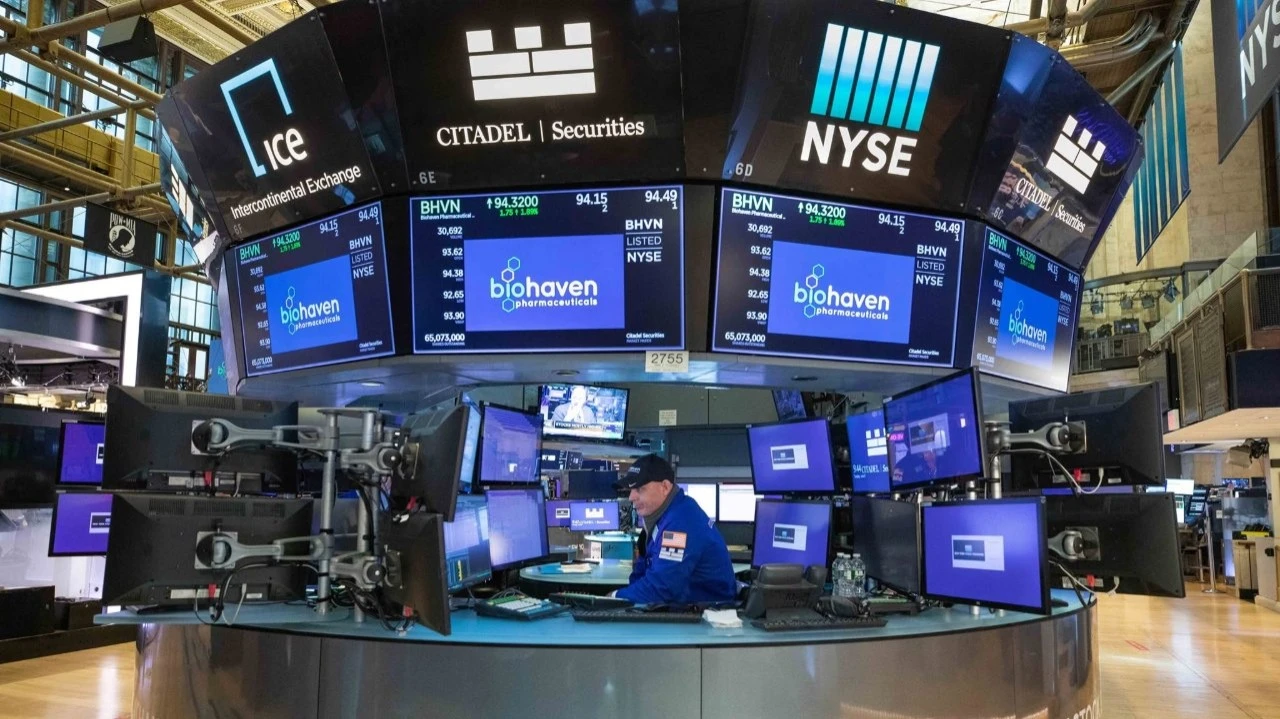
Regulators have agreed to review Biohaven’s application for approval of an experimental treatment for a rare disease that causes a gradual loss of muscle control / Photo: Facebook / Biohaven
Shares of small-cap biotech Biohaven surged 25% on Thursday. The company announced that the U.S. Food and Drug Administration had accepted a resubmitted application for approval of its experimental drug for a rare inherited disease that causes a gradual loss of muscle control and coordination. Approval could double the stock’s value, RBC Capital Markets analyst Leonid Timashev believes.
Details
Biohaven jumped by a quarter to $14.70 per share on the New York Stock Exchange on Thursday. That put the stock on track for its biggest one-day gain in three years, Barron’s noted.
The rally followed the company’s announcement that the FDA had accepted its resubmitted application for Vyglxia, an experimental treatment for spinocerebellar ataxia, an inherited neurodegenerative disease that causes a gradual loss of muscle control and coordination. Biohaven disclosed the development in a filing with the Securities and Exchange Commission. The FDA plans to convene an advisory committee to assess the drug’s risks and benefits before making an approval decision in the first quarter of next year, according to the filing. The committee meeting date will be announced later.
Implications
Biohaven has been seeking approval for the drug for more than three years, Barron’s writes. In July 2023, the FDA refused even to review its application for Vyglxia, then known as troriluzole: a phase III trial had failed to meet its primary endpoint, which the FDA determined would prevent a substantive review.
In late 2024, Biohaven submitted another application, adding results from a three-year study that compared patients receiving troriluzole with separate groups of patients who did not receive the drug. The FDA accepted the application for review in February 2025 but ultimately rejected it, citing issues that can be inherent in real-world evidence studies, including potential bias, design flaws, and unmeasured confounding factors.
Biohaven supplemented its resubmitted application with new analyses supporting the study’s main findings, according to the SEC filing. Approval of Vyglxia next year could double the stock’s value, Timashev of RBC Capital Markets argues, according to Barron’s.
Biohaven shares fell in September after the FDA paused enrollment of new patients in a trial of its experimental epilepsy drug opakalim. The FDA requested additional information about a metabolite detected in rodent testing.
The stock is up around 30% year to date. According to MarketWatch data, it has 10 “buy” calls from Wall Street analysts versus three “hold” ratings and one “sell.” The average target price of $25.20 per share implies more than 71% upside from the last close.