BofA recommended selling Papa John's stock. What raised analysts' concerns?

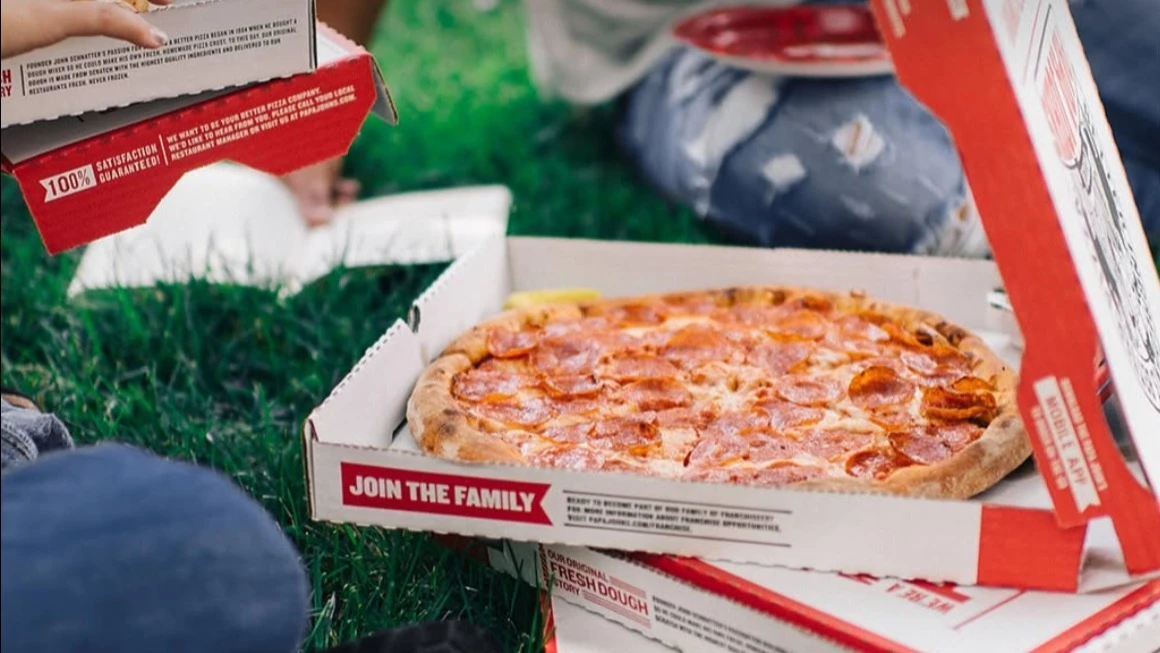
The first “bear” has appeared on Wall Street in relation to Papa John’s stock / Photo: Facebook / PapaJohnsPolska
Bank of America recommended that investors sell shares of Papa John's International, which operates the pizza chain of the same name. Analysts cited the alarming departure of one of the company’s key executives, pressure from competitors, and a sharper-than-expected decline in sales.
Details
BofA downgraded Papa John's securities, as the company has been struggling for several years. The bank's analysts withdrew their "hold" recommendation on the company's shares and advised investors to sell them, according to CNBC.
At the same time, they lowered their price target for Papa John's shares by 19% to $34, according to Proactive Financial News. This is roughly in line with the market price at the close of trading on July 13. During trading on July 14, the stock lost another 0.5%. Since the beginning of the year, the company’s stock price has fallen by 14%.
How BofA Explained Its Decision
Analysts revised their forecast following the dismissal of Ravi Tanawalu as Papa John's chief financial officer on June 30. “We believe it is unlikely that he would have left his position after less than three years if he believed that significant changes for the better were imminent,” according to a BofA report cited by Proactive. Due to “disruptions associated with the leadership transition, especially at a time when Papa John’s is attempting to restructure,” the company will find it more difficult to forecast its financial results, the investment bank believes.
He also noted increased competition among pizza chains. For example, Papa John’s comparable sales in the U.S. fell 6.4% year-over-year in the first quarter. Meanwhile, Domino’s Pizza’s comparable sales rose 0.9% over the same period. The bank’s analysts predict that competition will intensify even further in the second quarter, leading to a larger-than-expected decline in Papa John’s comparable sales in the U.S. market, according to an article by Proactive. According to BofA, Yum! Brands’ recent sale of the Pizza Hut chain also reflects pressure on the market and points to limited growth potential for Papa John’s stock.
What's Going On at Papa John's
Papa John's has been facing difficulties for some time. They began in 2017, when its founder, John Schnatter, found himself at the center of a racial scandal: during a conference call, he used a word considered offensive to African Americans, according to media reports. The company’s legal battles with Schnatter lasted about two years, after which he stepped down from all executive positions. Around the same time, in 2019, activist investor Starboard Value acquired a stake in Papa John’s, which helped improve the company’s financial situation.
The next blow came after the coronavirus pandemic and the resulting boom in pizza delivery. Now, pizzerias are losing ground to coffee shops and Mexican restaurants.
This situation has led to a decline in financial performance: in 2025, Papa John’s comparable sales in North America fell at both company-owned and franchised restaurants. In February, the chain announced the closure of hundreds of locations in the U.S., a reduction in its menu offerings, and layoffs in its corporate division.
All of this comes amid reports that the Qatari investment fund Irth Capital is interested in acquiring Papa John’s. The fund made two purchase offers in 2025–2026, but no deals were reported to have been closed.
What Other Analysts Are Saying
According to MarketWatch data, there is only one “bear” on Wall Street regarding Papa John’s stock. Most analysts are taking a wait-and-see approach: ten recommend holding the company’s stock, and another six recommend buying it. The average price target is $37.4, which is 12% higher than the stock’s most recent closing price.