Oil at $87, Houthi attacks, strikes on UAE tankers: What’s happening in the Middle East?

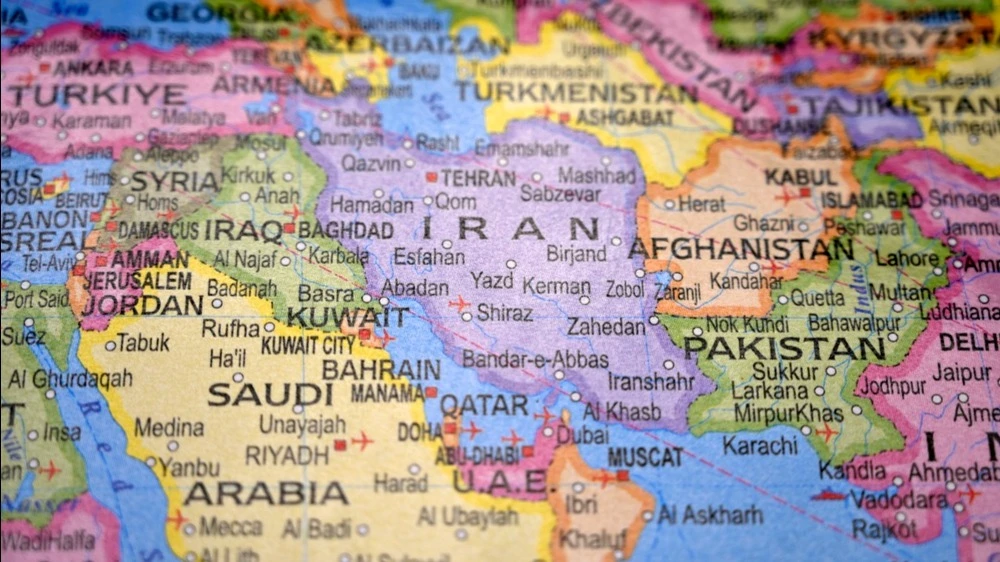
Photo: Blue Mist Film Studios / Shutterstock
Oil prices over the past two days have posted their largest two-day percentage gain since March, according to Dow Jones Market Data, as reported by MarketWatch. After jumping nearly 10% the previous day, Brent prices surged more than 4% on July 14, peaking at $87.5 per barrel, while U.S. WTI rose more than 3% to $81 per barrel. Markets are reacting to the escalation of the conflict in the Middle East: the U.S. continued to strike Iranian positions for the third consecutive day, two tankers from the UAE were attacked in the Strait of Hormuz, and Iran-backed Houthis attempted to attack an airport in Saudi Arabia—marking the largest attack on the kingdom in recent years.
Details
— The Houthis and Saudi Arabia. The Iran-backed Houthi group in Yemen has attacked Saudi Arabia with ballistic missiles and drones, according to Bloomberg. The Houthis stated that their target was Abha Airport in southwestern Saudi Arabia. The group warned airlines to avoid the kingdom’s airspace until, as they put it, “the Saudi blockade of the Yemeni capital, Sana’a, is lifted.”
The Saudi state-run television channel Al Ekhbariya reported that the kingdom's air defense systems had repelled a Houthi missile attack, without specifying whether Riyadh plans to take retaliatory measures.
The attack occurred a few hours after the Houthis accused the Saudi Air Force of bombing Sana'a International Airport. According to them, the attack was intended to prevent a plane carrying a delegation from the group from returning from the funeral of Iran’s late Supreme Leader Ali Khamenei in Tehran, Bloomberg reports.
The internationally recognized Yemeni government, based in Riyadh, claimed responsibility for the strike on Sana'a, accusing Iran of violating Yemen's sovereignty by landing an aircraft at that airport.
The Houthi attacks mark the first major escalation of the conflict between the Houthis and the Saudi-backed Yemeni government since a ceasefire agreement was reached in 2022, according to Bloomberg.
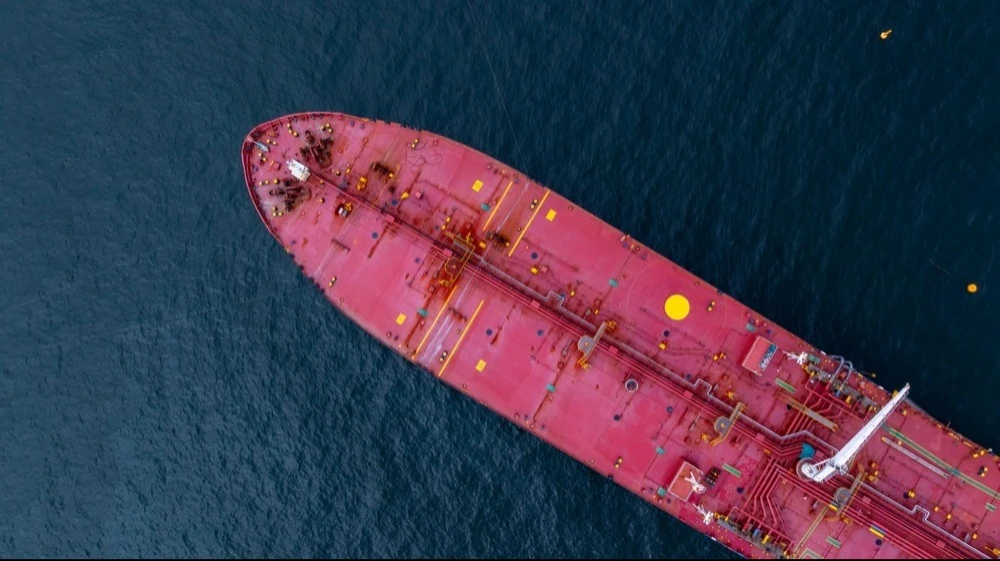
— Strait of Hormuz. The United Arab Emirates (UAE) stated that two oil tankers were attacked early Tuesday morning while passing through the Strait of Hormuz, according to Bloomberg. The UAE Ministry of Defense reported that Iranian cruise missiles struck two targets. In a subsequent statement, Adnoc L&S noted that the tankers Al Bahyah and Mombasa B sustained significant damage while in the Strait of Hormuz. The company added that one crew member was killed and several others were injured.
“The UAE reserves the full right to respond to this escalation and to take all necessary measures to protect its territory, citizens, and residents, thereby ensuring its sovereignty, security, and stability, as well as safeguarding its national interests,” according to a statement by the UAE Ministry of Defense on social media platform X.
Against this backdrop, according to shipping monitoring data, the number of tankers passing through the Strait of Hormuz over the past 24 hours has fallen to a two-month low, Reuters reports.
— The U.S. and Iran. The U.S. military has been carrying out strikes against Iran for the third consecutive day, according to CNN. U.S. Central Command (CENTCOM) reported on social media platform X that at 10:15 p.m. Eastern Time, Washington had completed another series of strikes on Iranian territory. “During the five-hour operation, U.S. forces successfully struck military targets across Iran, including Bushehr, Chabahar, Jask, Konarak, Abu Musu, and Bandar Abbas, to further degrade Iran’s ability to attack commercial shipping,” reads CENTCOM’s post on social media platform X.
The agency added that “the forces used high-precision munitions against Iranian coastal defense systems, as well as missile and drone launch sites.”
U.S. President Donald Trump reinstated the naval blockade of Iran yesterday and proposed charging ships a fee of 20% of the cargo's value for ensuring a safe passage.
What's going on with oil?
The price of August WTI crude oil futures rose more than 3% from the previous close to $80.6 per barrel; at its peak on July 14, it surged to $81.27. September contracts for the benchmark Brent crude rose 4.3% to $86.9 per barrel—at their intraday peak, they reached $87.55.

This article was AI-translated and verified by a human editor