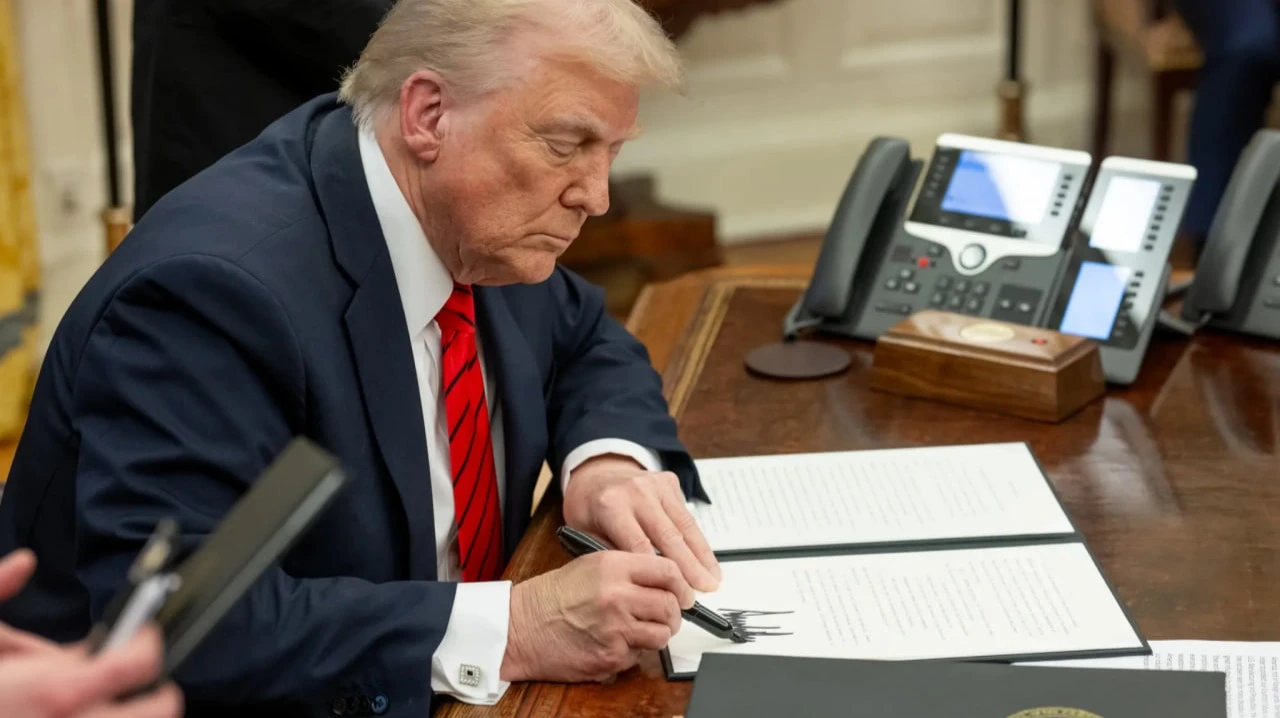
Brent exceeded $113: US stocks accelerated decline, Nasdaq down more than 2%
Iran refuses to discuss resumption of shipping in the Strait of Hormuz

Stocks in the U.S. accelerated decline in trading on March 20: the broad market index S&P 500 fell by more than 1.5%, and "technological" Nasdaq Composite lost about 2.1%. The Dow Jones Industrial Average blue-chip index fell more slowly than the others, but also by more than 1%. "Wall Street Fear Index" VIX jumped about 16%, exceeding 28 points.
The Russell 2000 index of small and mid-capitalization companies was in correction territory: that means down more than 10% from its last peak, CNBC noted. This index was losing more than 2.4% in trading on Friday.
The cost of Brent oil, meanwhile, rose again above $113 per barrel: the raw material rose in price by about 4%. Quotes of U.S. oil WTI added 3% and amounted to $98.6.
There could be two reasons for the intensified drop in stocks and the rise in oil Friday night, Bloomberg suggested.
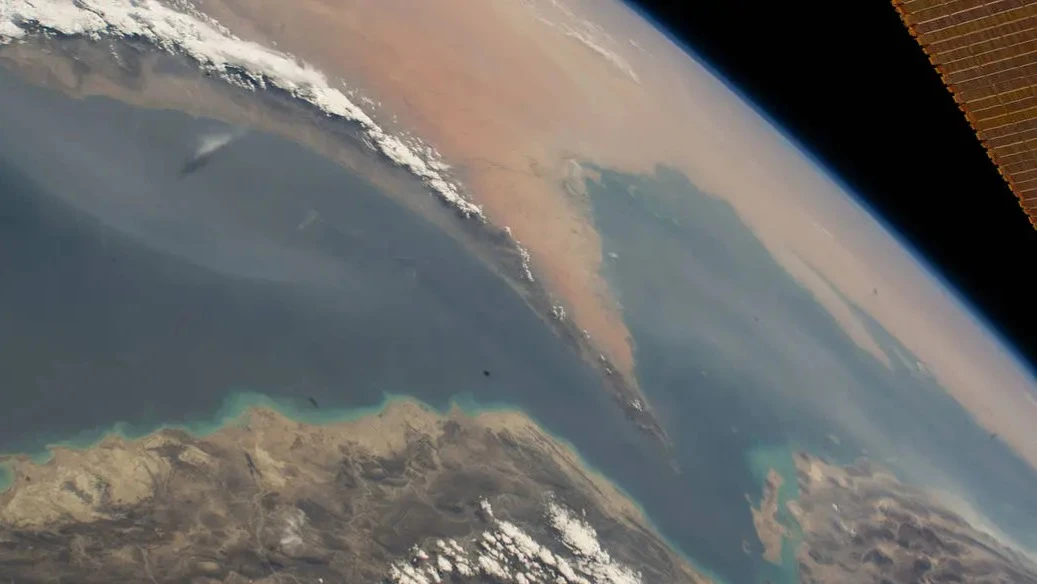
Diminishing hope for the opening of the Strait of Hormuz
According to Bloomberg, the market is reacting negatively to reports about Iran's unwillingness to discuss the resumption of shipping in the Strait of Hormuz, through which about 20% of the world's oil exports passed before the war. Iranian authorities even refuse to discuss this issue, Bloomberg sources say.
In practice, this means that the efforts of Great Britain, France and other countries to organize escorts for ships after the end of the war are losing weight, as the end of the conflict is not yet in sight, the agency notes. These sentiments are also shared in the Middle East, Bloomberg's interlocutors say. Officials are losing confidence that the U.S. and Israel have an exit plan from the war, while fearing deeper consequences of the conflict for the economy.
A spokesman for Iran's Foreign Ministry and the Iranian Embassy in London did not respond to Bloomberg's inquiries.
Concerns about the U.S. ground operation
In addition, oil accelerated gains after CBS sources reported that the Pentagon has made "detailed preparations" for the deployment of U.S. ground troops to Iran. US President Donald Trump has not yet decided whether to use ground troops and it is unclear under what conditions he might authorize it, the network's sources said. Trump told reporters a day earlier that he would not send soldiers, but noted that "even if he was going to - definitely wouldn't tell you."
"It's the Pentagon's job to prepare to give the commander in chief as much leeway as possible. That doesn't mean the president has made a decision, and as the president said in the Oval Office yesterday, he has no plans to send ground troops anywhere at this time," CBS quoted White House press secretary Caroline Leavitt as saying.
The Pentagon has sent three warships and about 2,200 to 2,500 Marines to the Middle East as part of the second wave of personnel transfers to the region in a week, The Wall Street Journal reported, citing sources.
The Trump administration is considering plans to occupy or blockade Iran's Kharq Island, through which about 90% of the country's oil exports pass, in order to pressure Tehran to open the Strait of Hormuz, Axios wrote earlier on Friday, citing sources. However, such an operation would only be able to begin after the U.S. has more strongly suppressed Iran's military capabilities in the Strait region: this could take about a month, one of the interlocutors told the publication.
This article was AI-translated and verified by a human editor