Burry: As the AI bubble began to burst this summer, Nvidia offered clues
The investor says the imbroglio around Jensen Huang are distracting from much bigger problems in Nvidia's business

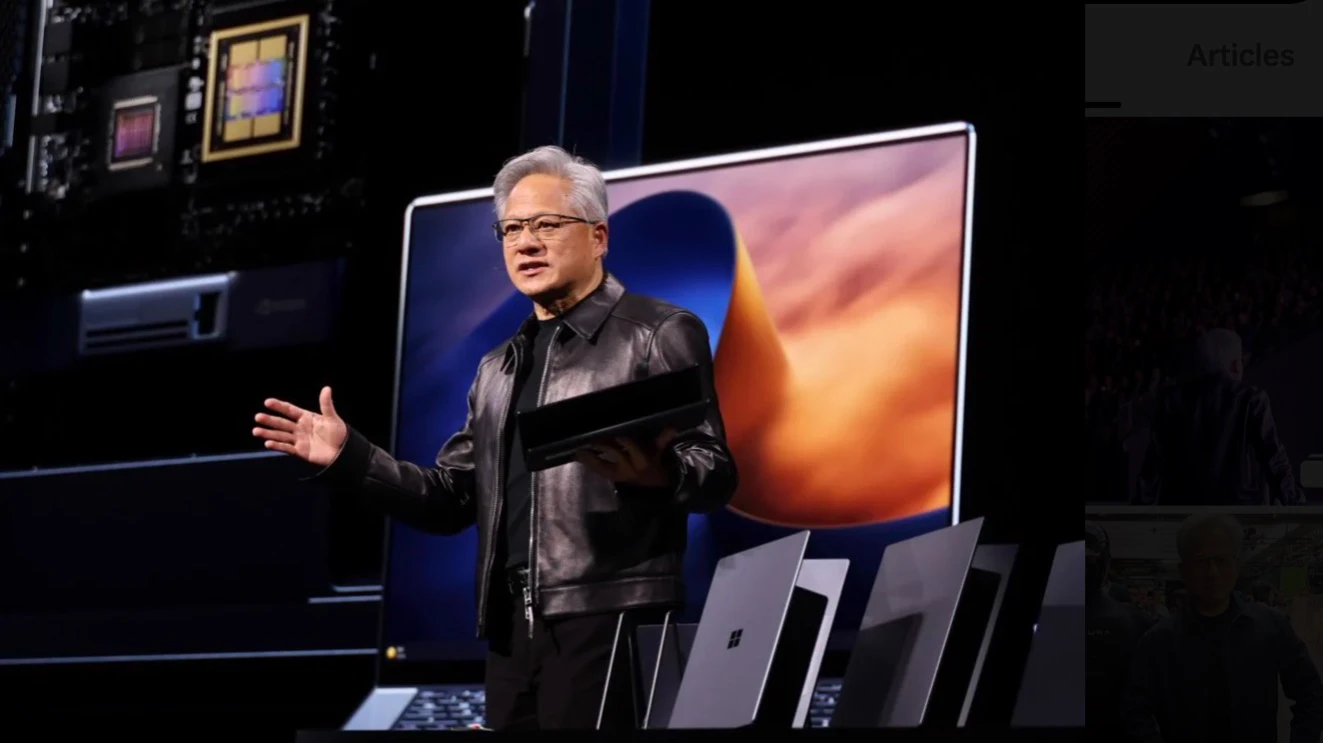
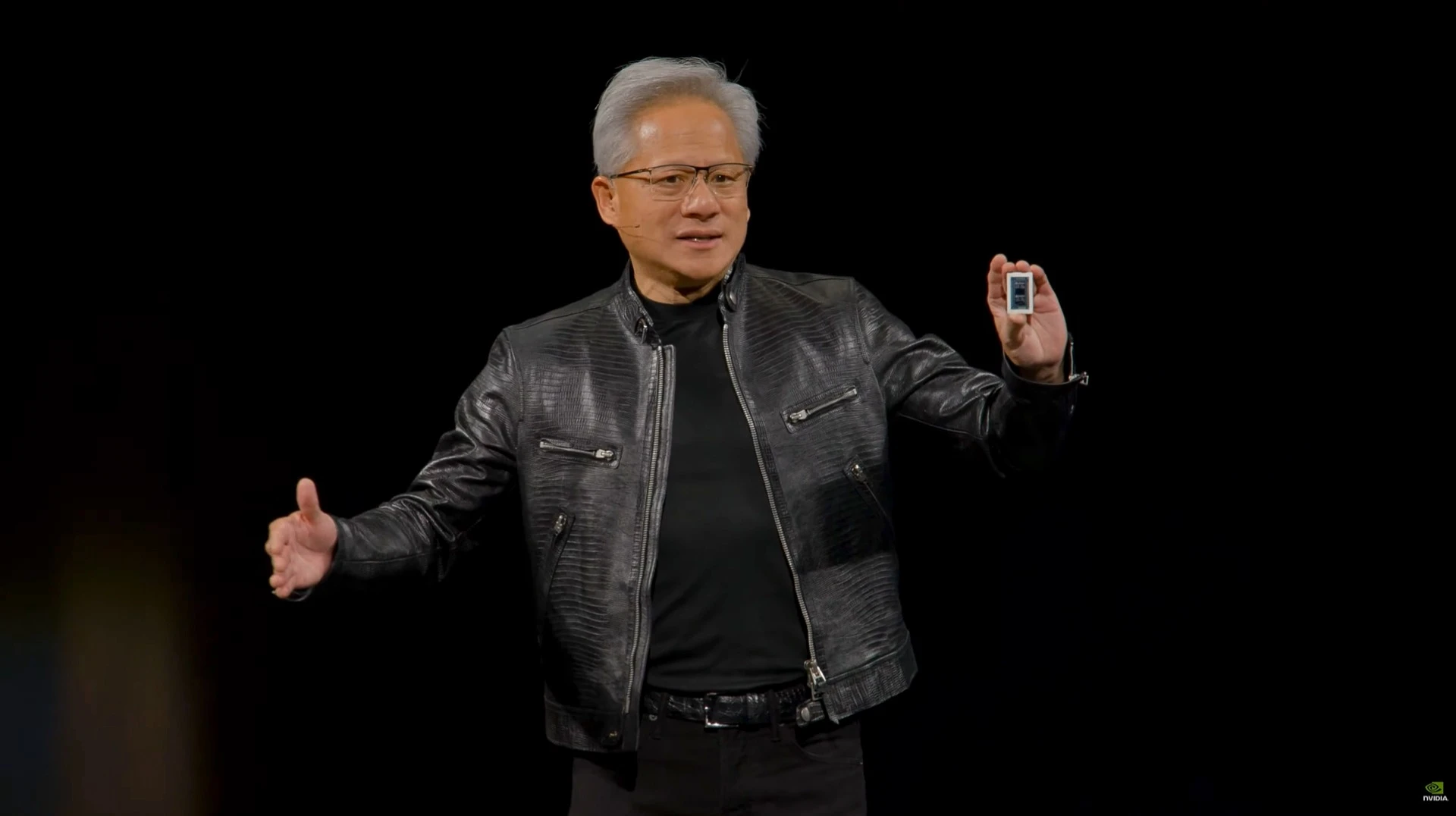
The Wall Street Journal reported that Huang, now Nvidia’s former CEO, called a meeting in August to discuss problems facing the company / Photo: Nvidia / X
Prominent short seller Michael Burry says the AI bubble was already starting to burst this summer and that clues had been surfacing throughout the year. One clue, he says, was Nvidia’s stock. It struggled over the summer and kept falling well before the scandals involving Jensen Huang broke. “While CNBC pounded the table and Wall Street analysts wooed retail investors, the stock stank, and no one covered the real story,” he wrote on his blog. A Wall Street Journal article published Thursday explained it all, Burry says.
The Journal reported that Huang, now Nvidia’s former CEO, called a meeting of the company’s top finance executives in August. Among them was Colette Kress, who became the tech giant’s interim CEO on Thursday.
Huang was worried that Nvidia was negotiating billions of dollars in guarantees for customers that could not afford its chips on their own. Some of those deals were led by Huang’s son-in-law, Nico Caprez. He had been offering financing to smaller cloud providers and data center developers in hopes of turning them into repeat customers for Nvidia. Huang himself had pushed to sign deals on a large scale but was beginning to wonder whether the effort had gone too far, the Journal reported.
Huang raised another concern at the same meeting. Major cloud providers were looking to rely less on Nvidia by buying chips from other manufacturers. Meanwhile, Nvidia had committed to buying vast quantities of semiconductor wafers and memory chips in anticipation of strong demand for its products.
Huang likened Nvidia's looming purchase commitments to an "avalanche."
At the same meeting, Huang criticized Kress as merely a “reporting CFO,” saying she could offer him little help in setting strategy or making decisions.
Burry also points to risks in Nvidia’s technology. Its graphics processing units were originally designed for other uses, and they now offer more computing power than most AI tasks require, even for training small language models, while consuming too many resources. Burry says Nvidia could have seen this shift coming, yet it continued to take on more commitments despite the risks.
Reporters and Wall Street analysts, he writes, are now focused on the scandals involving Huang and are missing the bigger story.
The real story is that the AI Bubble started to come apart for real this year. The fallout is just starting now, but the clues were in NVIDIA’s stock price, in the financing the bubble, in the SEC filings, in the regulatory filings, and here and there, almost all year long. Reporters will now tease out the rest of the story. Or so I hope and expect they will.

Why Burry is skeptical on Nvidia
The shift that brought on Huang’s “avalanche” of worries was predictable, Burry writes. Nvidia took on more operating commitments on the assumption that the old model would hold. Burry sees that as one of several long-term problems, alongside a duration mismatch between when the company’s obligations come due and when it earns the revenue to cover them.
Nvidia shares fell 4.3% on Thursday to $166.20 apiece. “Retail investors are piling in. They are not necessarily wrong. The company has a valuation that appears low,” he wrote. Burry says he currently holds neither Nvidia shares nor put options on the stock. His only, indirect exposure to Nvidia comes through puts on the VanEck Semiconductor ETF and the Nasdaq 100.
Burry has long been skeptical of the Nvidia story. His fund held puts on Nvidia as early as March 2025, and that autumn he began warning publicly of an AI bubble. He devoted a series of posts to the subject on his blog, Cassandra Unchained. In Greek mythology, Cassandra had the gift of prophecy but was cursed so that no one would believe her predictions.
In November 2025, Burry argued that Nvidia’s largest chip customers were assuming their equipment would last too long. That allows them to book less depreciation expense each year and report higher profits. He has also criticized Nvidia for investing in customers that then use the money to buy its chips.
This year, Burry warned about Nvidia’s reliance on a handful of its largest customers, the risks of committing to too much production, and growing competition from specialized chips. The short seller now expects Nvidia’s competitive edge to erode over the next five years, though he sees room for a short-term rebound in the stock.