Dollar surge and gold sell-off: why Saxo thinks such tactics are wrong?
At the end of January, gold fell sharply from its all-time highs - the last week against the backdrop of the war in Iran was the worst for the precious metal since that period

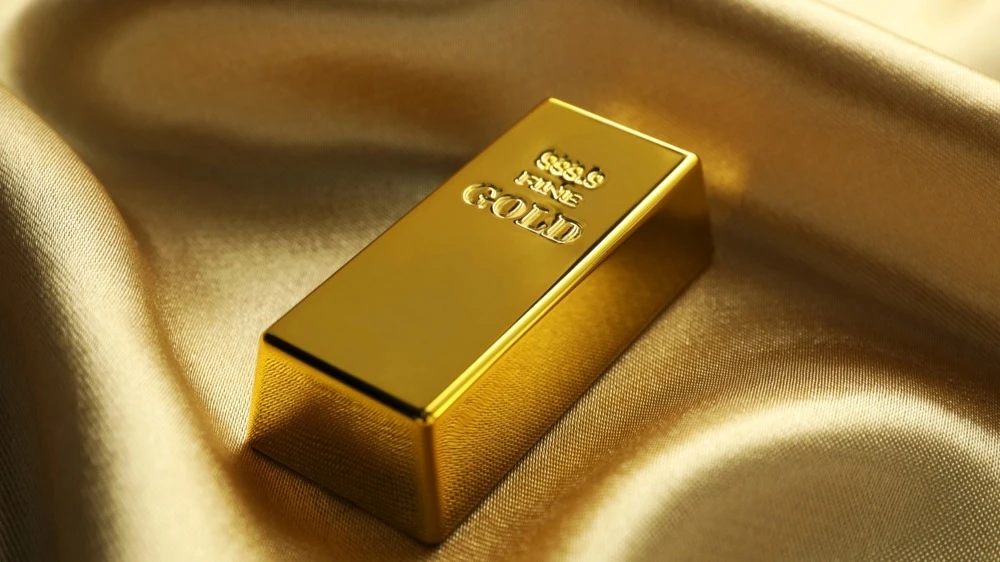
Last week was the worst week for gold prices since the end of January / Photo: New Africa/Shutterstock
Amid a sharp rise in oil prices on March 9, the U.S. dollar rose significantly against a basket of six major world currencies, while gold prices at the same time, on the contrary, fell by more than 1%. The escalating military conflict in the Middle East has raised market concerns about the sustainability of inflation, and investors have once again begun to seek refuge in the U.S. dollar, MarketWatch noted. However, analysts of Saxo Bank warn: the current logic may turn out to be a trap, the portal writes.
Details
Gold was losing more than 1% at the moment on March 9, falling to $5098 per ounce. Overall, the precious metal has lost more than 4% over the past week, since March 2, which was the largest weekly decline for gold since late January, MarketWatch noted. Silver, meanwhile, has lost about 5.7% over the same period, trading at $84.2 an ounce at the time of publication. Investors massively transferred funds into the U.S. dollar, the portal notes. As a result, the ICE Dollar Index (ICE Dollar Index) jumped by 0.7% to 99.7 on March 9, MarketWatch notes. This was happening against the background of oil price growth above $100 per barrel, up to the maximums of 2022.
What the analysts are saying
Saxo Bank strategists explain such dynamics on precious metals prices by the market's conviction that soaring oil prices will spur inflation and force the U.S. Federal Reserve (Fed) to keep interest rates high. As a result, non-income-generating gold loses its appeal when interest rates remain high compared to income-generating assets.
However, Saxo Bank warns that the current market reaction may be wrong. Experts emphasize that "the current price surge reflects a supply shock rather than an increase in demand, which increases the risk of stagflation, which could eventually force central banks to support the economy". And this, in turn, will become an incentive for the growth of gold prices.
"In the short term, a strengthening U.S. dollar and forced reductions [by market participants] in [leveraged gold] positions may weigh on prices without addressing the underlying reasons why investors have increasingly moved into hard assets in recent years," Saxo explained.
This position is also shared by analyst of XS.com Rania Gul, noting that gold is still supported by huge world debt and demand from central banks. Any correction of precious metal, especially to levels $4995-$5000 per ounce, the analyst considers as chance for purchase, writes MarketWatch.
This article was AI-translated and verified by a human editor