Earnings Reports from Palantir, SpaceX, and AMD Will Be a "Real-World Test" for the AI Rally — Saxo Bank
The bank identified several warning signs to watch for in the results


SAXO believes that earnings reports from Palantir, AMD, and SpaceX will reveal where the AI business is currently most attractive / Photo: X/SpaceX
This week, Palantir, SpaceX, and AMD will release their earnings reports, which will serve as a “real-world test” of whether expectations surrounding AI are being validated by financial results, according to the Danish investment bank Saxo. The results will help answer investors’ key question: Is AI-related demand translating into sustainable revenue, growing profits, and cash flow capable of financing the industry’s next phase of development?
"Three-Layer" AI
This week, the artificial intelligence sector faces three earnings reports: Palantir will report after the U.S. market closes on August 3, while Advanced Micro Devices (AMD) and SpaceX will release their results the following day, writes Saxo Bank strategist Ruben Dalfovo. Together, these companies span the data software sector, the semiconductor industry, space launches, satellite communications, and artificial intelligence. The AI industry is often discussed as a single sector, but this week will show that it is more like a three-story building, where each company is responsible for its own floor, the analyst notes.

Ahead of the earnings reports, investors have a number of questions. Will Palantir be able to increase the depth of its customers’ use of its products? Will AMD be able to turn its commitments into fulfilled contracts? And will SpaceX be able to fund several ambitious initiatives without depleting its strongest source of cash? The results won’t determine a single clear-cut winner: they’ll show where the business environment is currently most attractive, according to Dalfovo.
Software Layer
Palantir operates in the software sector. Its platform helps organizations integrate data with artificial intelligence tools and apply them to their day-to-day operations. The company can attract new customers without building factories or rockets, which gives it attractive economics while maintaining high growth rates, explains Dalfovo.

Last quarter set the bar high: Palantir’s revenue grew by 85%. This week, investors will be watching primarily for growth in the customer base, major contracts, and remaining deal value (RDV)—potential future revenue from agreements already signed, according to SAXO. The market’s reaction may depend on whether the company can demonstrate that its growth remains broad-based and sustainable, rather than a one-off event, the analyst emphasizes.
Palantir may disappoint investors with a weaker outlook even after posting excellent growth rates, Dalfovo notes. Palantir’s strong growth will signal that companies are moving from testing artificial intelligence to applying it in real-world operational processes, the analyst emphasizes.
The Chipmakers' Floor
AMD develops central processing units (CPUs) and graphics processing units (GPUs)—the computing components that form the foundation of artificial intelligence systems. Last quarter, revenue from the data center division rose 57%, and new agreements strengthened the backlog of future orders.
But commitments only create value when contracts are fulfilled, the software is up and running, and profitability is maintained, writes Dalfovo. Investors will be looking for comments on product shipments, component availability, customer adoption of solutions, and profitability. Strong sales accompanied by weaker profitability may indicate that competition is becoming increasingly costly, the analyst explains.
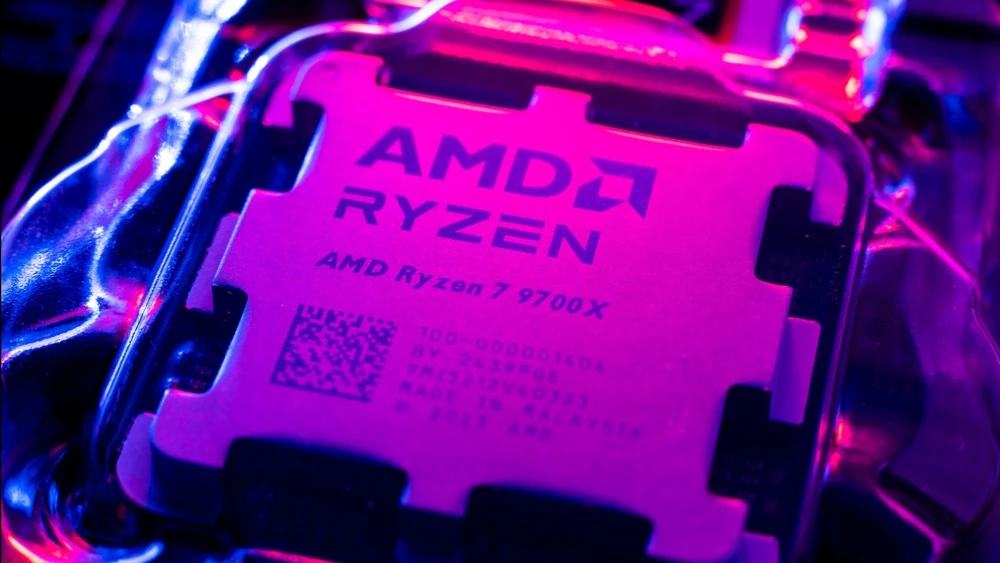
AMD may beat revenue expectations but face a drop in its stock price if its profitability or shipment outlook deteriorates, Dalfovo warns. Strong demand from AMD will support suppliers of chips, memory, and data center equipment, the analyst notes. On Wednesday, August 5, SanDisk and Western Digital will release their earnings reports, which offer a way to invest in the data storage industry: their reports will show whether the growth in data volumes driven by AI is translating into higher demand and prices for flash memory and hard drives. This will affect the stocks of companies such as Seagate and Micron.
Infrastructure Floor
SpaceX owns a significant portion of the AI infrastructure. Starlink satellite internet provides a steady stream of subscription revenue, while launches, the Starship heavy-lift rocket prototype, and the recently acquired AI business require major investments, writes Dalfovo.
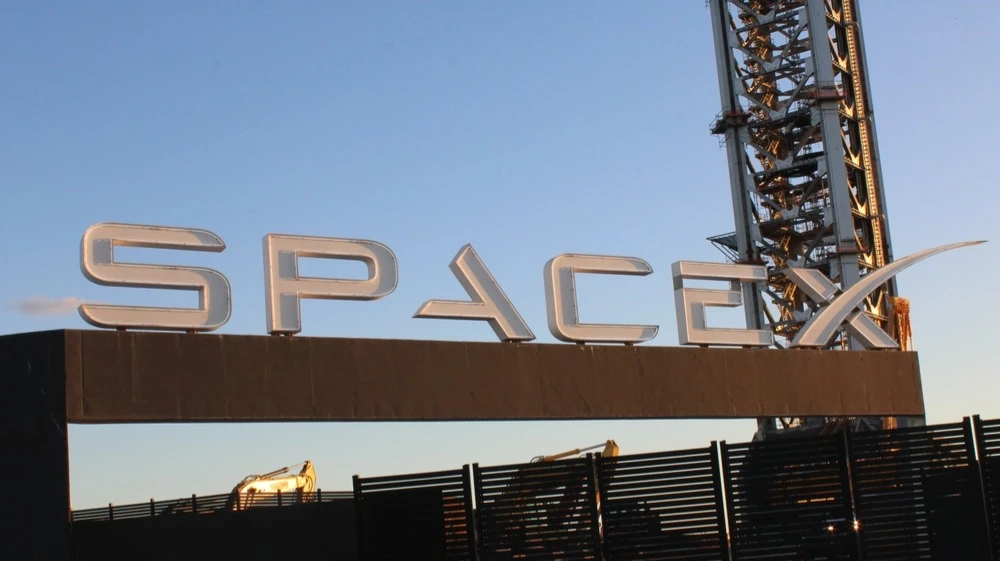
SpaceX’s first financial report since going public will help distinguish its primary source of cash from the projects it funds, the analyst explains. As of the end of March, Starlink had about 10 million subscribers; however, in the first quarter, SpaceX spent significantly more on artificial intelligence than on its space and communications businesses combined. Will its profitable satellite communications business be able to simultaneously fund several costly initiatives?
SpaceX may report steady progress on Starlink but raise concerns if its other projects burn through cash faster than expected, Dalfovo warned. SpaceX’s successes in satellite communications will bolster the outlook for the satellite internet industry, while high costs will heighten concerns about the capital-intensive nature of the business, according to a note from Saxo Bank.
Risks in Financial Reporting
There are two risks: investors' unrealistic expectations and the implementation of the strategy, notes Dalfovo.
Warning signs would include a slowdown in Palantir’s customer base growth, delivery delays, or a decline in AMD’s profitability, as well as a situation in which SpaceX’s capital expenditures are growing faster than Starlink’s cash flow.
At the same time, Palantir must scale up its pilot projects into larger-scale implementations; AMD needs to deliver competitive systems on time; and SpaceX must manage several high-cost projects simultaneously, ensuring that none of them undermines the others.
What Investors Should Look For
— Dalfovo recommends keeping track of contracts, shipments, recognized revenue, and free cash flow—in that exact order.
— Compare growth rates with the amount of capital required to sustain them.
— Give the company's forecast greater weight than the overall profit figure if the expectations already factor in rapid business expansion.
— Check for overlaps within the portfolio. Different AI-related companies may depend on the same clients, budgets, and market sentiment.
This article was AI-translated and verified by a human editor