Detentions and Travel Bans: Turkey Seeks to Calm the Market Following the Fund Crisis

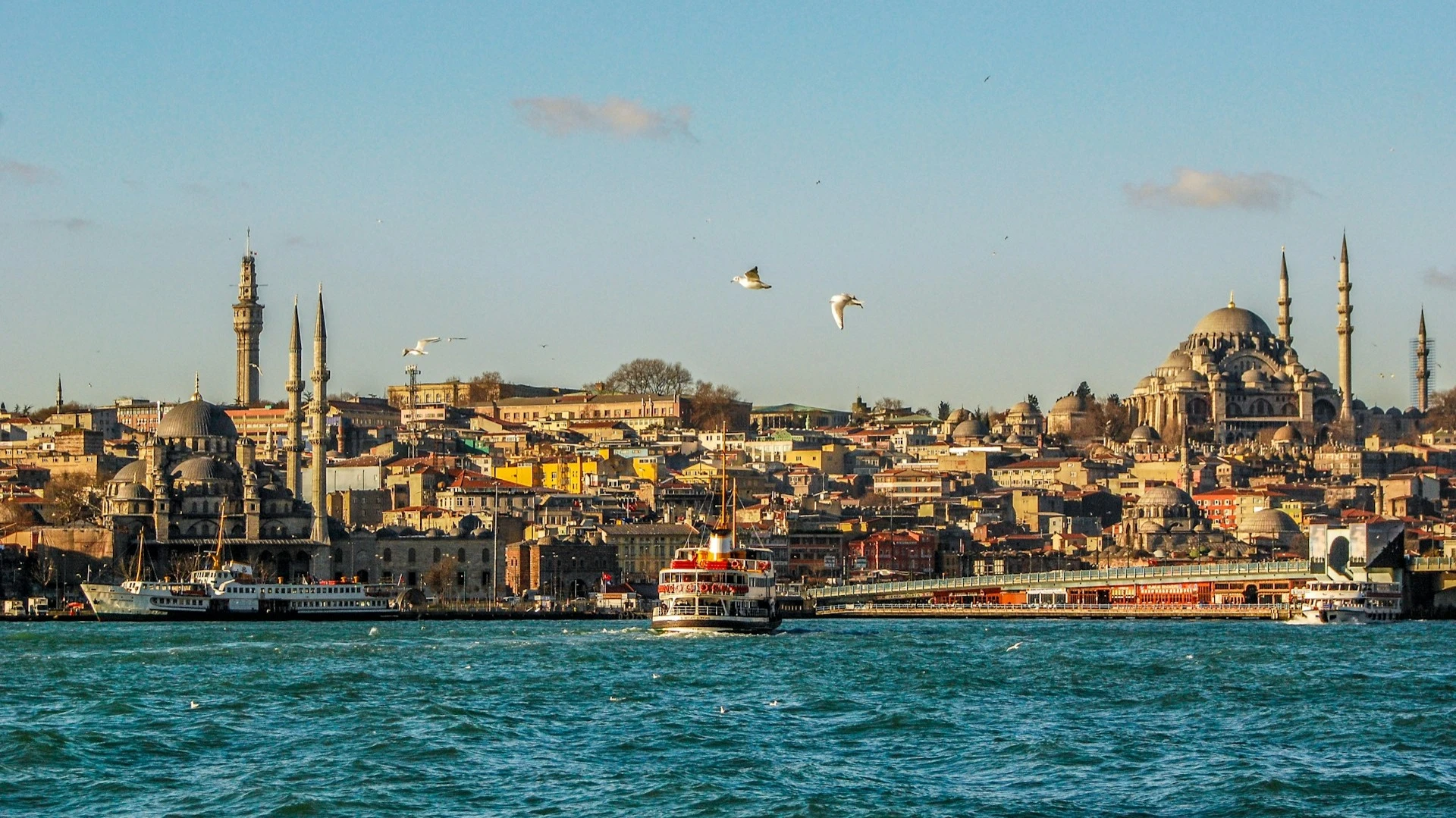
Turkish authorities have detained four financiers in connection with a stock market manipulation case / Photo: Unsplash.com / Engin Yapici
Turkish authorities have shut down more than 100 investment funds following the bursting of a bubble that threatened the savings of thousands of investors, according to the Financial Times. Due to the use of speculative strategies, the assets of some funds have grown more than tenfold since last year.
Details
On September 17, the Turkish regulator ordered the liquidation of 130 funds managed by seven companies, including Tera Portföy and Pusula Portföy, according to Bloomberg. According to a source at the agency, the funds slated for liquidation had attracted more than 350,000 investors, and the total volume of investments as of the evening of September 16 was approximately $18 billion.
At the same time, the Central Bank increased the volume of funding through repo operations and raised the borrowing limits for banks in the interbank money market to ensure sufficient liquidity in lira.
Authorities also detained executives from several financial companies as part of an investigation into alleged market manipulation. Among those detained are Muhammed Yaryz, chairman of the management company Pusula Portföy, and Ibrahim Bekçi, deputy CEO of Tera Portföy, according to Bloomberg. Statements from these companies this week indicating that they were unable to return investors’ money triggered a sell-off of shares. Several other executives, including Emre Tezmen, chairman of Tera Holding, have been barred from leaving the country.
What's Happening in the Turkish Market
The investigation is taking place amid a collapse in the Turkish stock market. Turkey’s main stock index, the BIST 100, lost a total of 8% over two days, September 15 and 16, according to the FT. On Thursday, following measures taken by the authorities, the market stopped falling, though it recovered only part of its losses. However, hundreds of stocks not included in the indices continued to plummet in value: more than 100 of them approached the 10% daily decline limit set by the regulator, notes Bloomberg.
Analysts warn that it remains unclear where the markets will go from here. “Such a decisive response from regulators has given investors some breathing room—but it’s still too early to say that the sell-off has come to an end,” Petr Matis, senior currency analyst at ITC Markets, told Reuters.
How the Bubble Burst
Over the past two years, Turkish funds have built up large positions in a small group of interconnected companies, even though only a small portion of their shares were traded on the open market, the Financial Times notes. Thanks to this strategy, the assets of some funds have grown more than tenfold since last year, Reuters reports. Some funds also used borrowed funds to increase their positions—for example, the flagship Tera fund, which has returned more than 66,000% to investors over three years, according to Bloomberg.
The funds ran into difficulties after authorities tightened regulations in August, forcing them to sell off some of their holdings, which triggered an exodus of investors. On Tuesday, Istanbul-based Pusula Portföy, which managed $13 billion as of the end of August, reported that some of its funds were unable to meet client requests for withdrawals. The next day, another asset management firm—Tera Portföy, with $13.7 billion in assets—reported that it had failed to meet its obligations. According to the financial platform Fintables, investors withdrew up to $1 billion from Turkish investment funds on September 16, the Financial Times reports.
The Financial Stability Committee stated that liquidity issues had affected a limited number of funds. The regulator described the situation as “temporary and manageable” and said it did not pose a systemic risk to the Istanbul Stock Exchange or the country’s financial system.
Recent market developments are unlikely to undermine confidence in Turkey’s broader economic policy, Aberdeen portfolio manager Viktor Sabo told Reuters. “I’m not worried as long as the current exchange rate regime and the current economic team remain in place—and as long as no early elections are announced,” he noted.
Context
In June, the index provider MSCI warned of repeated instances of possible coordinated trading involving fund investments and small Turkish companies, the FT reports. MSCI also raised the possibility of initiating a process to reclassify Turkey from the emerging markets category to the frontier markets category if regulators do not demonstrate progress by November.
This article was AI-translated and verified by a human editor