Fears surrounding AI are bringing treasury back into a defensive role. What should investors be prepared for?
The sell-off in AI company stocks has revived demand for U.S. Treasury bonds, but analysts are debating whether Treasuries have once again become a safe haven for portfolios

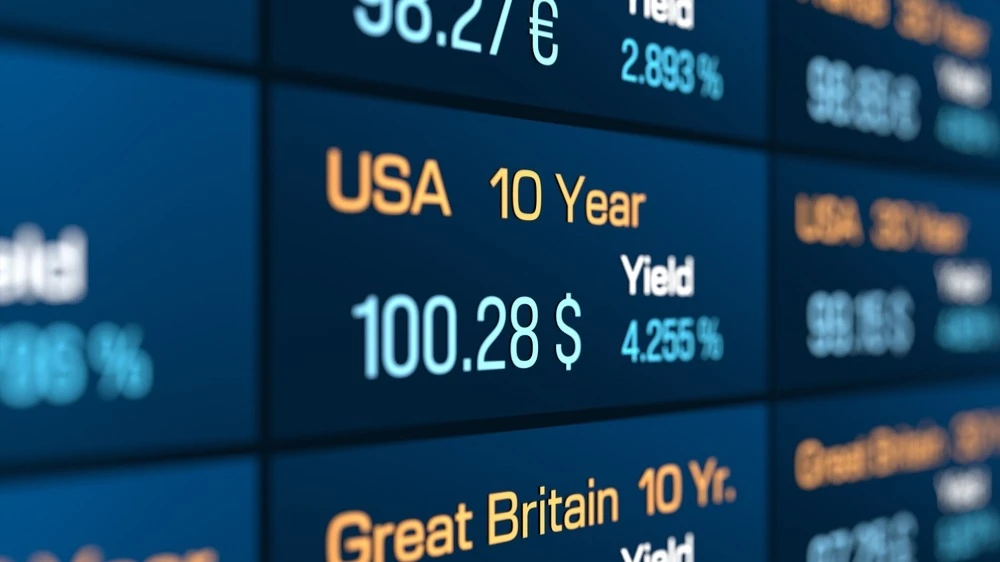
U.S. Treasury bonds have begun to reclaim their role as a safe-haven asset / Photo: Westlight/Shutterstock.com
U.S. Treasury bonds have begun to reclaim their role as a safe-haven asset, according to Bloomberg. Concerns about the outlook for leading AI companies and the economy have prompted investors to rush to shift their money into U.S. Treasuries. Last week, the Nasdaq 100 index fell 5.5%, while Treasury yields rose: the yield on 10-year Treasuries fell by about 17 basis points. According to Bloomberg, neither metric has fallen so sharply since April 2025.
The agency notes that, prior to last week’s rally, Treasuries had done little to protect portfolios during stock market declines for many months. The sell-off in U.S. Treasuries peaked on October 5—the yield on 10-year Treasuries reached 5.31%, hitting its highest level since April 2002, according to Yahoo Finance data.
Bloomberg attributes the market’s doubts about the sustainability of the AI boom to a slowdown in revenue growth at Claude developer Anthropic and a drop in the prices of corporate bonds issued by cloud provider CoreWeave, which leases computing power for AI. On October 14, the price of CoreWeave bonds maturing in 2032 fell below 80 cents on the dollar, a level typically considered a threshold for financial difficulties, the agency noted. However, it is still too early to conclude that the AI boom is over, according to Bloomberg.
Where does the demand for Treasuries come from?
An AI-driven downturn “would be much closer to a more traditional demand-shock” and would help slow inflation, according to Afonso Borjes, a strategist at Swiss bank Julius Baer, as quoted by Bloomberg. In that case, he said, “Treasuries with medium-term maturities should once again become an effective hedge for portfolios.” Therefore, the bank advises investors to increase the share of medium-term U.S. Treasuries in their portfolios.
Demand for Treasuries could also rise if companies start borrowing less to fund AI development. Huge corporate bond issuances to finance AI infrastructure have intensified the competition for capital and have become yet another reason why government bonds have been falling in price, according to Bloomberg. Investment-grade companies, led by tech giants, have sold about $1.7 trillion in bonds since the start of the year—29% more than a year earlier. “If investors see that their AI-related bonds are losing value, they’ll be less interested in buying new ones,” explains John Briggs of Natixis North America (as quoted by Bloomberg). Therefore, he says, investors are less concerned that new corporate bond issues will divert funds that might otherwise go into government bonds, and are buying more long-term Treasuries.
The rally in government bonds spurred the closing of bets on their decline: many investors held unusually aggressive short positions in Treasuries, while CTA funds began exiting similar trades in the futures market, Bloomberg notes. Investment giant BlackRock reported that it now recommends increasing the allocation to short-term Treasuries in portfolios (Overweight), although for most of the past six years it had advised holding fewer U.S. Treasuries than the baseline portfolio allocation (Underweight). As for U.S. stocks—which BlackRock had long recommended holding above the baseline level (Overweight)—it now advises reducing the allocation to the baseline (Neutral) to manage “potential volatility surrounding the development of AI infrastructure.”
Three Signals for Investors
The coming weeks will reveal whether Treasuries will retain their role as a safe-haven asset. The first indicator will be the Fed meeting scheduled for late October. When U.S. inflation accelerated more than expected in September, traders at one point put the probability of an October rate hike at about 50%, but those odds have since declined. That said, the market still expects one rate hike by the end of the year and another in 2027, which is why Stephen Barrow of Standard Bank called the bond rally a “false trail,” according to Bloomberg.
The second topic is oil. On Friday, October 16, oil prices rose amid doubts about Donald Trump’s deal to supply Russian diesel to the global market, and around noon, both Treasuries and stocks fell. This episode showed how easily bonds can lose their ability to protect a portfolio against falling stock prices, notes Bloomberg.
The third key indicator is the earnings reports from tech giants. Tesla will release its third-quarter results on Wednesday, October 21. Meta Platforms has also scheduled its earnings report for the same day. Masahiko Lu of State Street Investment Management believes that because Fed Chair Kevin Warsh is reluctant to signal in advance how the central bank will adjust interest rates, the market has become more vulnerable to sharp fluctuations. But for long-term investors, he says, “the picture looks different”: “If there is a more widespread flight from risk due to AI, Treasuries seem increasingly capable of providing the protection that investors have lacked for most of the past few years” (quoted by Bloomberg).
This article was AI-translated and verified by a human editor