U.S. inflation rises at fastest pace in five months. What next for the Fed?
September’s CPI reading came in only slightly above what economists had expected


Photo: LADO / Shutterstock
The U.S. consumer price index rose 3.7% year over year and 0.6% month over month in September, the U.S. Bureau of Labor Statistics reported. Consumer prices thus rose at their fastest monthly pace in five months as fuel costs climbed, Bloomberg reports. The annual reading came in slightly above the 3.6% forecast from economists polled by Barron’s, while monthly inflation also accelerated slightly from August.
Meanwhile, core CPI, which excludes volatile food and energy prices, rose 2.6% year over year and 0.3% month over month in September. Energy prices rose 5.2% month over month, the biggest increase since March, MarketWatch notes, while gasoline prices jumped 9.1%. Airfares were up 22.4% year over year. They have now risen more than 20% year over year for six consecutive months, Bloomberg notes.
The report also highlighted continuing price pressures from the massive data center buildout, Bloomberg notes: computer software and accessories prices rose a record 28.4% year over year, while prices for computers, peripherals, and smart home assistants climbed a record 9.7%.
Market reaction
Following the inflation print, S&P 500 futures fell 0.24%, while Nasdaq 100 futures declined 0.46%. Dow Jones futures dropped 0.10%. Expectations for a Fed rate hike shifted sharply after the economic data was released. Before the latest inflation reading, traders had assigned a relatively low probability of 20% to an interest-rate increase at the Fed’s upcoming October 27-28 meeting. After the CPI release, those odds jumped to 49.3%, based on the CME FedWatch tool. In addition, markets now assign a probability of more than 96% to a rate hike in December.
What analysts are saying
Pimco economist Tiffany Wilding confirmed heightened expectations for a Fed rate hike. The September inflation report “is not a good print for the Federal Reserve,” she was quoted as saying by MarketWatch. The release puts a rate increase by the Fed back on the table, she thinks.
“The big problem = Inflation rose 3.7% in the past year, wiping out 3% average wage gains,” Heather Long, chief economist at Navy Federal Credit Union, wrote on X. “Americans are seeing their pay totally wiped out by inflation,” she added. “Meanwhile, the Federal Reserve isn’t seeing progress on inflation,” she said, noting that rising fuel prices are “starting to spill into other areas.”
Context
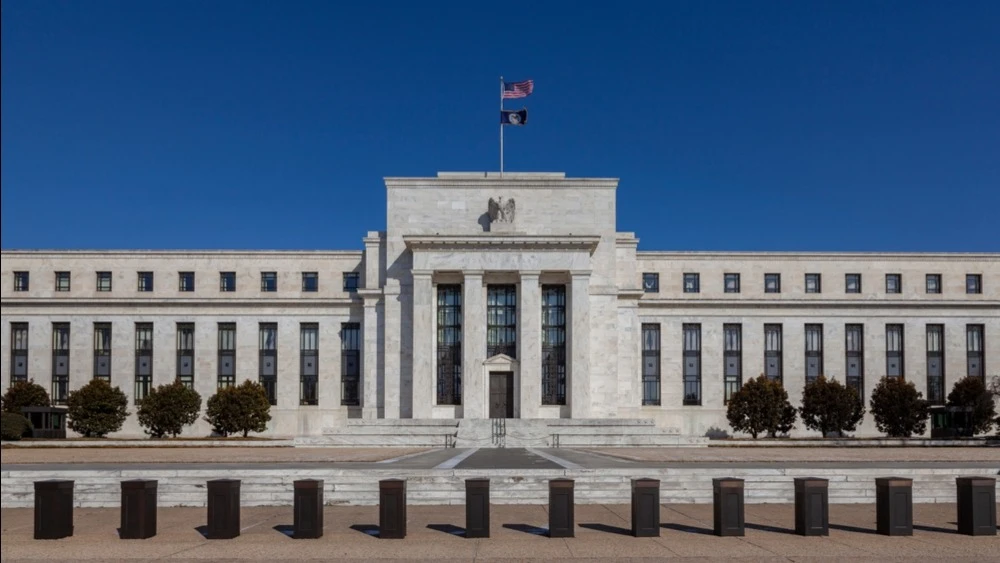
In September, the Fed responded to renewed price pressures by raising interest rates for the first time since 2023. Since then, Fed officials have signaled that they still have time to assess incoming data before changing rates again. However, the median forecast in their latest projections calls for one more rate increase this year, Bloomberg notes. The CPI report released on Wednesday is the last consumer-price reading before the Fed decision on October 28.
At the beginning of 2026, U.S. inflation had returned to its lowest levels since early 2021, Bloomberg notes. But the war in the Middle East sent gasoline, diesel, and other prices sharply higher, pushing up inflation and, ultimately, borrowing costs.