Fed to reduce number of rate-setting meetings starting next year
The central bank plans to devote more time to strategic planning, holding fewer meetings with rate decisions

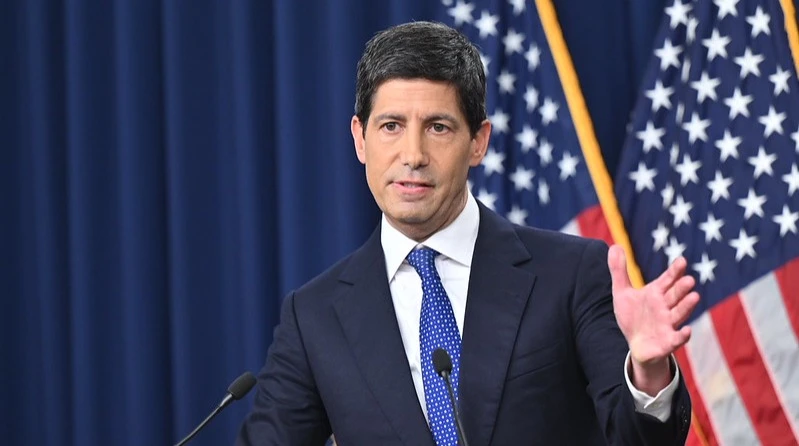
The current schedule of eight meetings a year has been in place since 1981 / Photo: Flickr.com / Federal Reserve
The Fed will phase in a new meeting schedule, making rate decisions at seven of its eight meetings in 2027 and likely six in 2028, Chair Kevin Warsh announced. The announcement came after the Federal Open Market Committee held rates steady despite persistent inflationary pressures.
“We believe eight meetings per year is the right number for the FOMC,” Warsh told reporters on Wednesday, as quoted by Bloomberg. The committee will devote one of its eight meetings in 2027 to discussing “broad monetary policy strategy,” without a vote on rates or the release of a policy statement. In 2028, two of the eight meetings will likely be reserved for such strategic discussions, Warsh added.
“Getting policy right involves assessing near-term developments at timely, regular and information-rich intervals,” Warsh said, explaining the rationale for the changes. “But it’s equally important we reserve time and space, as an intellectually diverse group, for strategic deliberations, for thinking anew about big questions, looking out over longer time horizons, focusing – as I say – on the left side of the decimal point.”
The current schedule of eight FOMC meetings a year has been in place since 1981. Reducing the number of rate-setting meetings has been discussed before, but the idea was shelved over concerns that the central bank would become less nimble in responding to sudden economic changes, NBC News notes. The reform would make the Fed an exception among major central banks, including the Bank of England and the Bank of Japan, which make rate decisions at every scheduled policy meeting.
The schedule change will mark another step in Warsh’s overhaul of the Fed. Since taking the helm of the U.S. central bank in May, Warsh has shortened the FOMC’s post-meeting statement, declined to provide so-called forward guidance on the likely future course of monetary policy, and raised the possibility of holding fewer press conferences. He has also created five working groups to review the central bank’s communications and balance sheet management.