Europe's largest automaker has posted a loss. How could this possibly benefit the company?
Volkswagen posted its largest quarterly loss since 2015

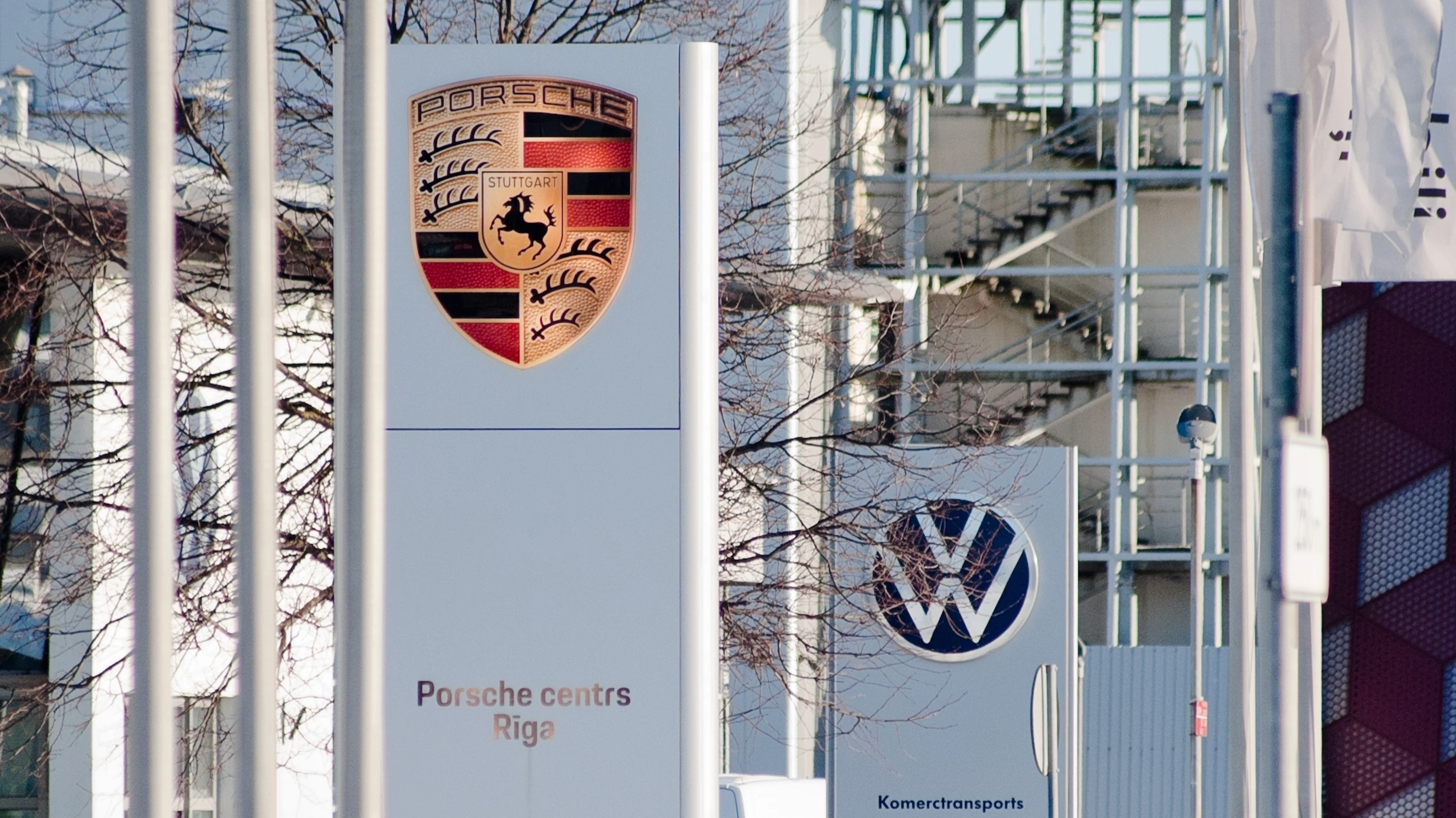
Volkswagen has written off more than €6 billion of Porsche's value: the auto giant has become more pessimistic about the iconic brand's prospects / Photo: fotokaleinar/Shutterstock.com
For the first nine months of 2026, German automaker Volkswagen (VW), Europe’s largest, posted a loss of €2.7 billion, even though it had reported a net profit of €3.4 billion for the same period a year earlier, the company said. Paradoxically, these weak figures will help the management and shareholder representatives on the supervisory board in upcoming negotiations with the union on how to implement the cost-cutting plan, writes Handelsblatt.
Profits were low and there were no write-offs
One-time expenses weighed on the July–September financial results. Over the three-month period, these expenses totaled €7.8 billion and resulted in an operating loss of €5.86 billion. VW hasn’t lost that much in a single quarter since late 2015, when the company was paying the price for the diesel scandal, according to Reuters.
Most of the one-time expenses were non-cash write-downs, the company clarified. Of that amount, €6.4 billion was attributed to Porsche, the manufacturer of iconic sports cars: VW reduced the book value of this subsidiary because it had a more pessimistic outlook on its prospects, according to Handelsblatt. The group also wrote down approximately €1 billion in value on its assets in China.
However, even excluding one-time items, VW’s operating profit amounted to less than €4 for every €100 in revenue for January–September, according to the company’s CFO, Arno Antlitz. “In the long term, that’s not enough,” he stated.
VW’s quarterly results were generally in line with expectations, according to dpa-AFX, citing Jefferies analyst Philippe Ushua. Net cash flow from the automotive division rose to €4.4 billion over the first nine months, up from €1.8 billion a year earlier, primarily due to reduced investments and the sale of stakes in other companies. VW confirmed its full-year forecast for this metric—€3–6 billion— according to The Wall Street Journal. In Ushua’s view, the company is heading toward the upper end of that range.
At the opening of trading in Frankfurt, VW preferred shares fell (hitting a daily low of €67.1), but then recovered and rose 1.5% to €70.
A loss can come in handy during negotiations
Negotiations with the union, which will also address the restructuring plan, are set to begin on November 24, according to dpa. The amount that needs to be saved depends on sales, explains Handelsblatt. If VW sells around 9 million cars a year, costs will need to be cut by approximately €31 billion; if sales are closer to 8 million, as they were this year, costs will need to be cut by at least another €10 billion. Sales, however, are falling: in the first nine months, VW delivered nearly 600,000 fewer cars to customers than a year earlier (−9%). Following such a decline, employee representatives are unlikely to dispute the need for cost-cutting, the publication believes.
During the negotiations, the parties will decide how to implement the restructuring plan that the supervisory board approved in September. Compared to the previous plan, it doubles the number of job cuts—to 100,000 across the entire group, according to the WSJ. According to Reuters, up to four plants in Germany are at risk of closure. The supervisory board’s decision to approve this plan sent VW’s stock soaring, dpa reported: On September 4, the group’s preferred shares rose 6.5%, and during trading, the gain reached nearly 10%.
In September, Bernstein analysts noted that Porsche’s problems—which led VW to lower its annual profitability forecast to 1%—could work in favor of Group CEO Oliver Blume, who is pushing for cost cuts beyond those already agreed upon. “If you look at it cynically, such a sharp drop in expected reported earnings could even be considered beneficial,” Reuters quoted them as saying.
The truce will last until midnight on New Year's Eve
Until the end of the year, the German labor union IG Metall—with which VW will be negotiating—is not authorized to call strikes. However, VW has terminated nearly all collective bargaining agreements with its employees—agreements that, among other things, specify working hours, vacation time, and bonuses. The agreements will expire on December 31, and the ban on strikes will end on the same day, according to dpa. According to Reuters, Blume’s plan to cut jobs could trigger strikes as early as the beginning of next year.
The union is preparing for an escalation, said Torsten Greger, head of the regional branch of IG Metall, last week. “Everything points to a confrontation that could turn out to be the largest this company has ever faced,” he warned.
This article was AI-translated and verified by a human editor