Following Huang's resignation, Nvidia's market cap fell below $4 trillion for the first time since 2025
The stock has recovered a significant portion of its losses following the initial shock, but the company's value remains below that threshold

/ Photo: Nvidia
Nvidia's market capitalization fell below $4 trillion for the first time since 2025. This occurred after Nvidia CEO and founder Jensen Huang was forced to step down. Analysts had said that if Huang were to leave, the company’s stock could lose up to 30% of its value due to his key role in the business.
Details
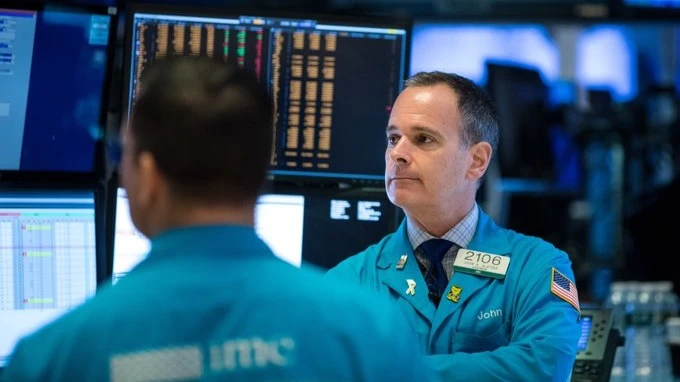
At the opening bell on Thursday, Nvidia shares fell 14%, dropping to their lowest level since June 2025. This wiped $601 billion off Nvidia’s market value, marking the company’s largest single-day decline in value, according to Bloomberg.
Since hitting a record high in early October, the company's stock has fallen by about 35%. In just one week, Nvidia’s market capitalization fell by nearly $2 trillion. Just a few weeks ago, Nvidia was the world’s most valuable company, but since then it has been overtaken by Apple and even temporarily lost its second-place spot to Microsoft.
“I’ve never seen anything like this; we’re in a new reality. On a scale of one to ten, this is a ten,” said Ted Mortenson, a technology strategist at Robert W. Baird & Co., as quoted by Bloomberg.
Context
Nvidia announced Huang's resignation before the market opened. The company's CFO, Colette Kress, was named interim CEO, and board member Harvey Jones became the company's first-ever board chairman.

The sell-off coincided with the approach of Nvidia’s quarterly earnings report (expected on November 17) and heightened investors’ concerns about the sustainability of the AI boom, Bloomberg notes. The market expects Nvidia to report a 91% increase in quarterly revenue to $109 billion, with adjusted earnings per share rising by about 90% to $2.47.
Huang was dismissed by Nvidia’s board of directors following reports of two extramarital affairs. Intelligence agencies suspect one of his alleged lovers of spying for China. And on November 11, The New York Times, citing sources, reported that Huang also had an affair with Nvidia’s vice president of healthcare, Kimberly Powell. This violates Nvidia’s code of ethics.
Over the past two days, at least six banks and research firms have downgraded Nvidia's securities. The cost of credit default swaps on the company's debt has approached a record high, according to Bloomberg.
This article was AI-translated and verified by a human editor