"Geopolitical premium": oil prices hit a two-month high
The day before, Trump announced a 25 percent duty on goods from countries "doing business" with Iran - the consequence of this decision could be a "geopolitical premium to oil prices," an analyst warns

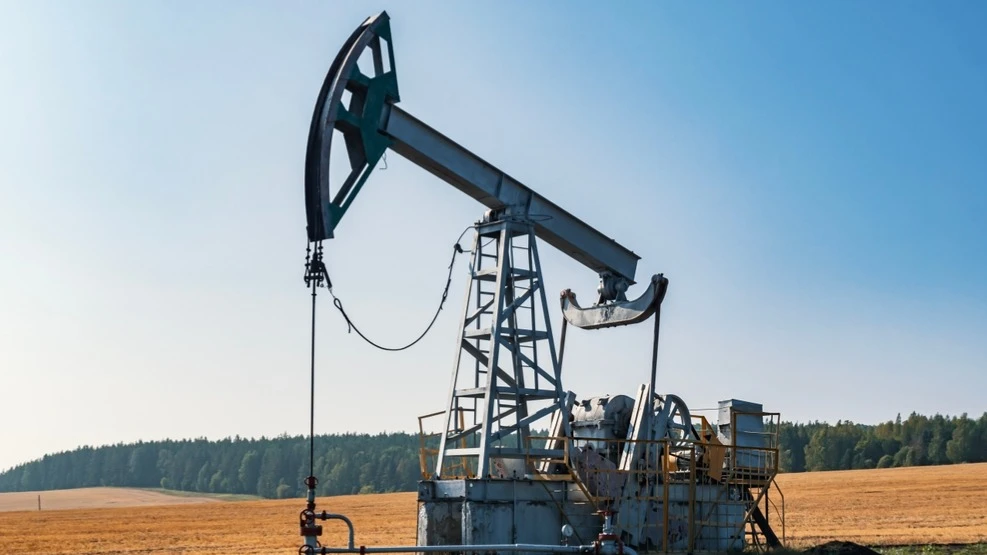
Photo: Evgenii Bakhchev / Shutterstock
Oil prices continued to rise on January 13 as increased investor concerns about Iran and potential oil supply disruptions outweighed the prospect of increased supplies from Venezuela, Reuters writes.
Brent crude futures rose 1.8% to $65 per barrel - the last time Brent was traded at this level was in mid-November 2025. Meanwhile, U.S. WTI crude rose 2% to $60.7 per barrel.
Bloomberg connects the situation on the oil market with the statement of U.S. President Donald Trump about the introduction of a 25 percent duty on goods from countries "doing business" with Iran. Without providing details on the scale or procedure for imposing the duties, Trump said on January 12 that the new duty would take effect "immediately."
The consequence of threats to impose such duties "could put a geopolitical premium on oil prices," Charu Chanana, chief investment strategist at Saxo Markets, observed in a Bloomberg commentary. "However, further developments will depend on whether this rhetoric turns into actionable policy and causes tangible disruptions to [oil] supply or a broader trade response that undermines demand growth," she added.
Any new duties by Trump, Bloomberg points out, could reignite the U.S. trade war with China - the world's largest oil importer and buyer of about 90% of all Iranian exports. At the moment, traders are trying to find protection against price spikes, which led to an unprecedented increase in the volume of call options on Brent crude on Monday, January 12, Bloomberg writes.
This article was AI-translated and verified by a human editor