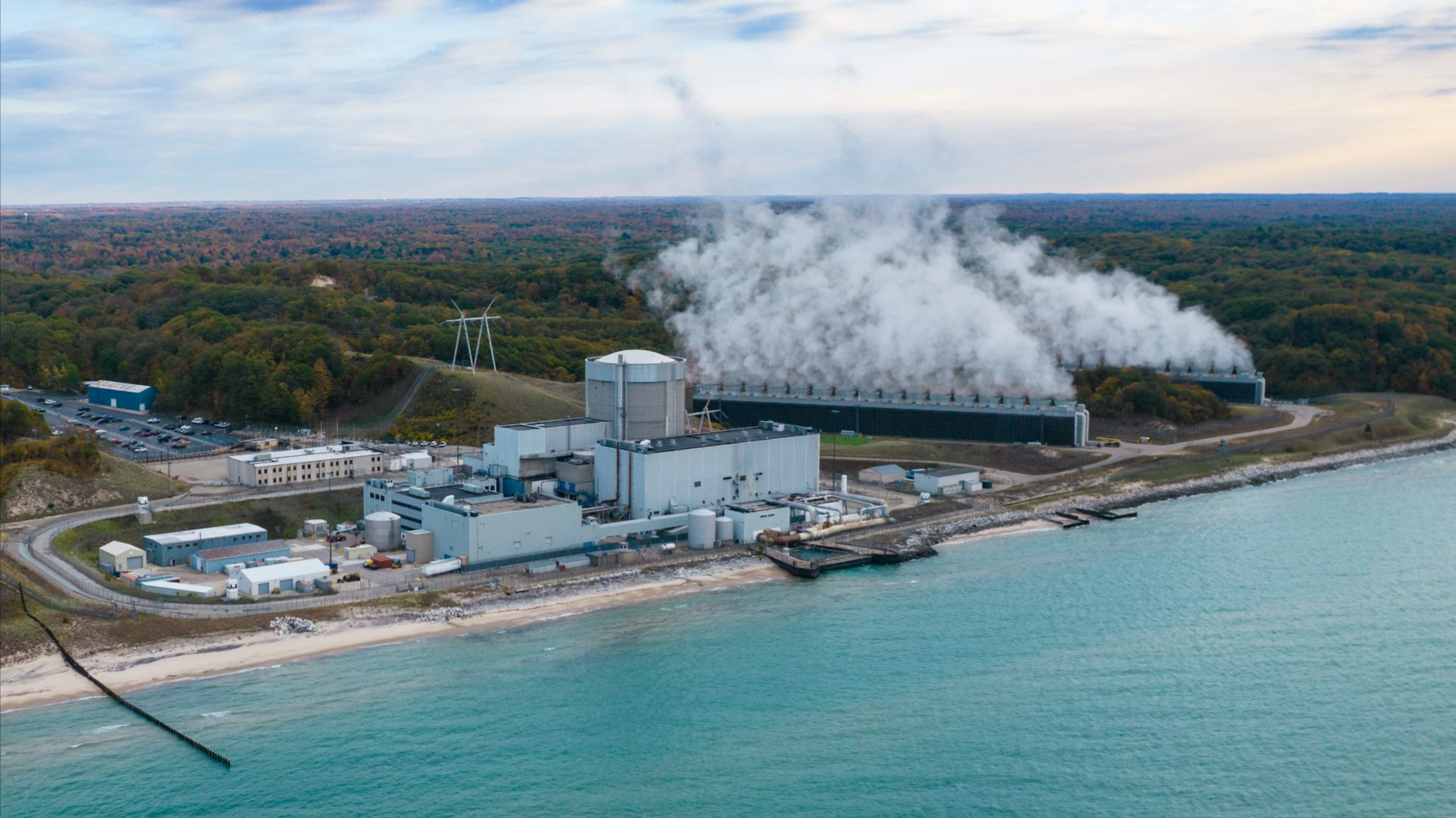
The U.S. allowed the easing of sanctions against Iranian oil. Brent fell to $109

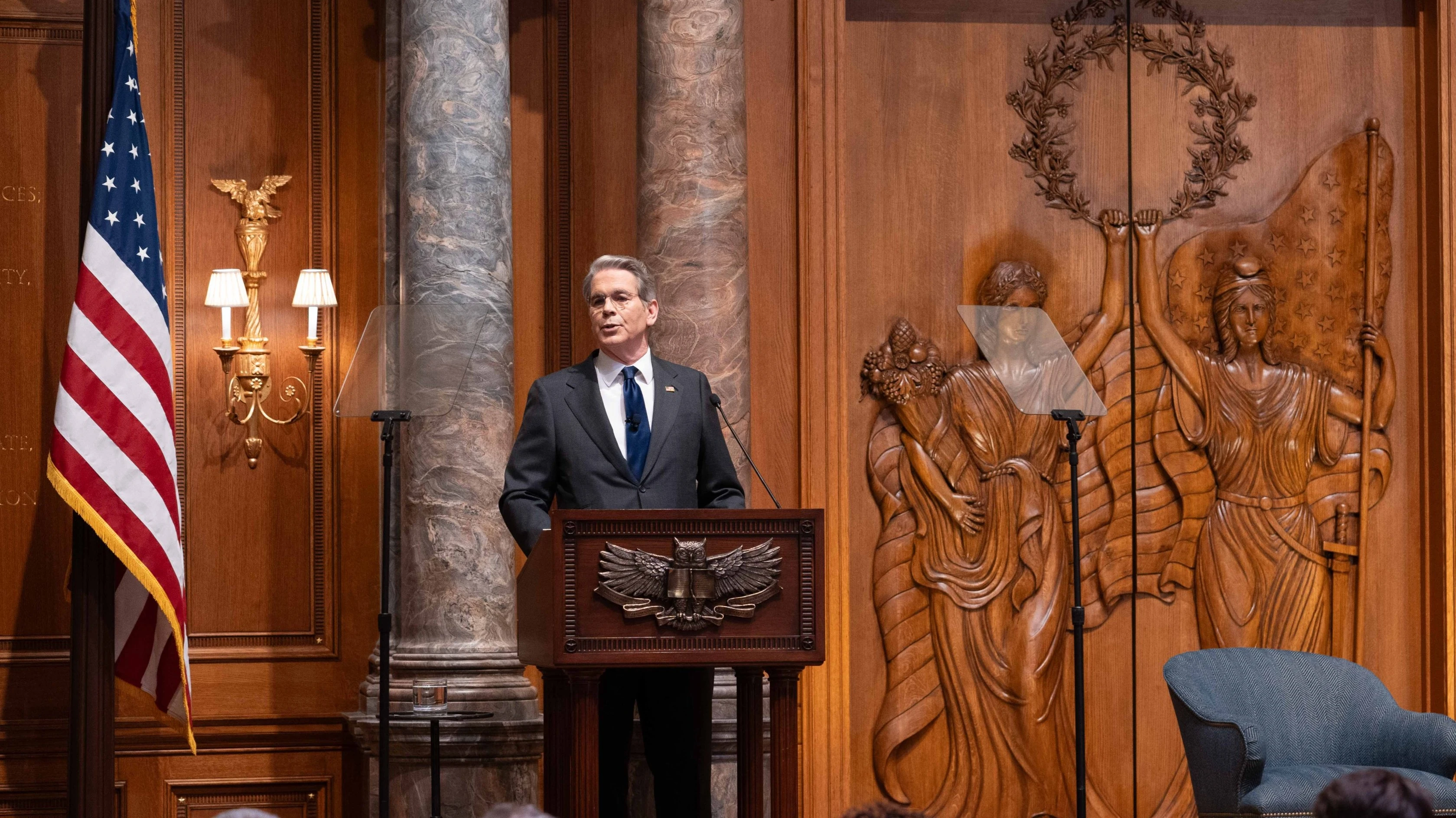
Bessent admits lifting sanctions on Iranian oil for the sake of curbing energy prices / Photo: X / SecScottBessent
U.S. Treasury Secretary Scott Bessent said the U.S. may ease sanctions on Iranian oil already at sea in the coming days to ease pressure from rising energy prices caused by the war in the Middle East. He said this in an interview with Fox Business television channel.
Details
Bessent estimates that such a move would free up about 140 million barrels of Iranian oil - a similar decision on sanctioned Russian oil should help free up another 130 million barrels or so.
"That's about 10 days to two weeks of supplies that Iran was sending for export and that were going entirely to China," the department head said. He added that the U.S. could also tap additional volumes from strategic reserves.
At the same time, it is still unclear how exactly the easing of sanctions on Iran will be implemented, how Iran will receive funds from exports and which assets will be unblocked, notes The Wall Street Journal (WSJ).
Brent futures slowed down by the middle of the trading day in the U.S. on March 19 and are trading in the plus by only 2%, at $109.5 per barrel, while at the intraday high they reached $119 per barrel (plus 10% relative to the last close). The price of April WTI contracts is up just over 1% to $97.66 at the time of publication. Oil prices jumped on Thursday amid the escalation of the conflict in the Middle East - on March 18 Israel hit a major gas field in Iran, on March 19 Iran responded by attacking the world's largest LNG plant in Qatar, as well as Saudi Aramco's refinery in the port of Yanbu on the Red Sea coast.
Context
US President Donald Trump said on Thursday, March 19, that he was "not going to send troops anywhere," responding to a question about the possible sending of US soldiers to the Middle East amid a war with Iran. His words are quoted by Reuters. At the same time, the Trump administration is discussing a possible increase in spending on the military campaign against Iran: the Pentagon may ask Congress for up to $200 billion to finance the war, indicating the risk of its delay, CNBC wrote.
On March 13, the U.S. said it would temporarily allow countries to buy Russian oil offshore to increase supply and reduce price pressure. Indian refineries promptly bought significant volumes of Russian Urals Mark crude, as well as supplies from the Far East with delivery in March and April, Kpler data cited by the WSJ showed. Other Asian buyers, including China's state-owned Sinopec, also pre-booked supplies for Ma.
Before the conflict, about 20 million barrels of oil passed through the Strait of Hormuz, a narrow sea corridor at the entrance to the Persian Gulf, every day, according to the International Energy Agency. That's about 25 percent of the world's offshore oil supply and a significant amount of liquefied natural gas (LNG).
This article was AI-translated and verified by a human editor