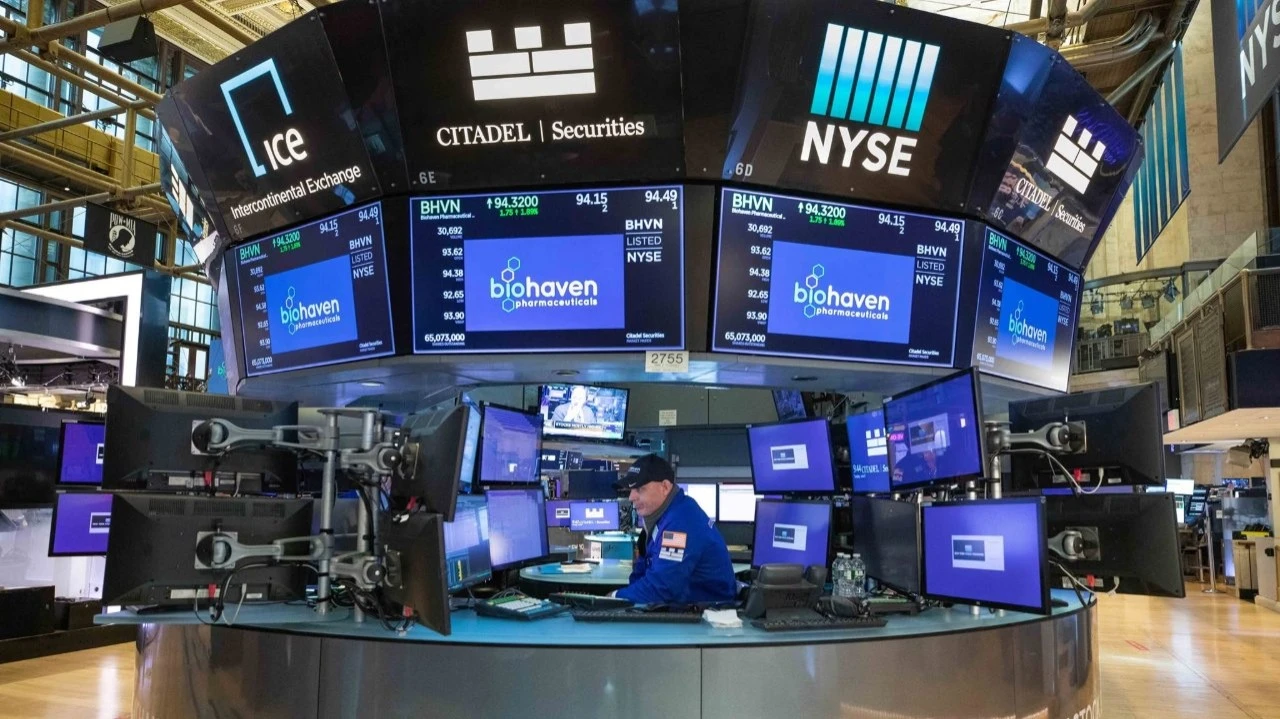
Highlights of the week: SpaceX goes IPO, Disney invests in OpenAI, Oracle gets cheaper

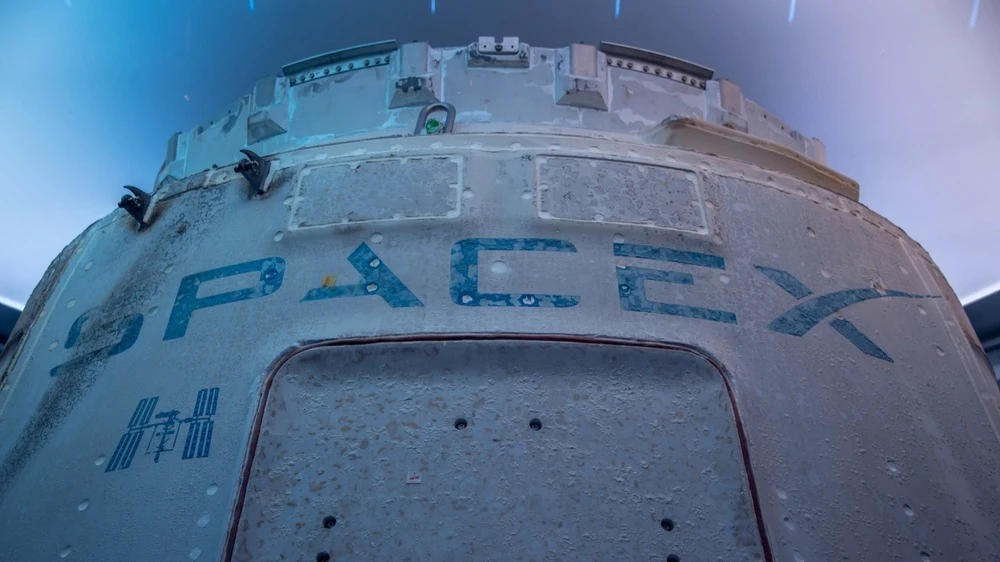
SpaceX is preparing a record IPO and plans to raise more than $30 billion. Disney will invest $1 billion in OpenAI, becoming the largest media partner of the AI developer. Oracle shares collapsed after the quarterly report - due to weak revenue and growing debt load. Meanwhile, the U.S. Federal Reserve reduced the rate for the third time in a row. The main events of December 8-12 are in our review.
SpaceX prepares record IPO and targets $1.5 trillion valuation
Elon Musk's space company SpaceX is planning an IPO, expecting to raise "well over $30 billion" and reach a valuation of about $1.5 trillion, Bloomberg wrote, citing sources. If the deal goes through, it could be the largest listing in history, the agency noted.
The placement is being prepared for mid- to late 2026, but the terms may be pushed back to 2027. The company intends to allocate part of the funds raised for the creation of orbital data centers for the satellite Internet network. According to estimates, SpaceX revenue in 2024 will reach $15 billion, and in 2025 - up to $24 billion, the main driver of growth remains Starlink.
In a secondary stock sale round reported by several media outlets at once, SpaceX set a price of about $420 per paper. That raises its valuation above the previously mentioned $800 billion, Bloomberg wrote. According to two of the agency's sources, the company has been authorized to sell about $2 billion of shares to employees, with SpaceX partially buying them back itself. Such a scheme, according to one of the sources, is designed to bring the company's market value to a fairer level ahead of a potential IPO. SpaceX declined to comment on its plans.
What else is there to read?
- Cathie Wood's investment fund ARK Invest described three scenarios for Elon Musk's space company. How much do analysts estimate its potential value? - in the material "How much can SpaceX cost? Forecast of analysts Cathie Wood".
Fed cuts rate to 3.5-3.75% and hints at a pause
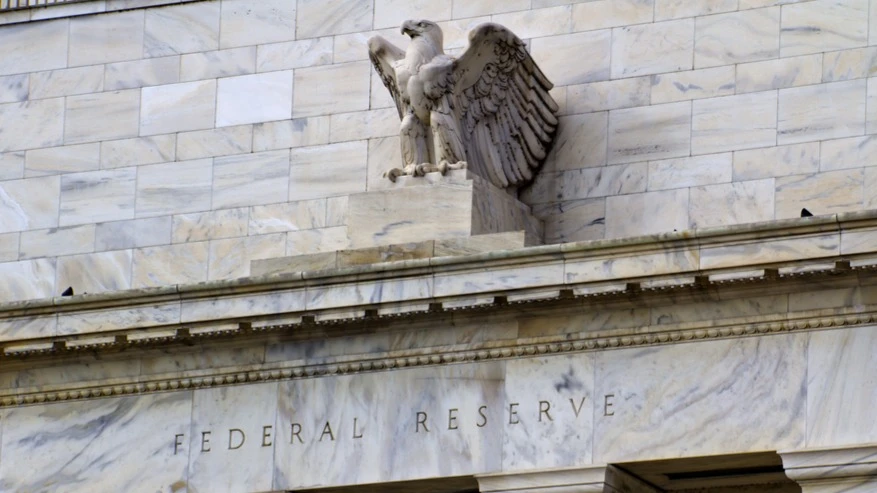
At the end of the meeting on December 9-10, the Federal Reserve lowered the rate by 0.25 p.p. for the third time in a row. - to the range of 3.5-3.75%, fully meeting market expectations. The consensus within the FOMC was not easy: nine members supported the reduction, one wanted a sharper step, two - to keep the rate.
In the release, the regulator noted moderate economic growth, rising unemployment and persistent inflation, adding new language about "the scope and timing of further adjustments to the target range." The Fed had previously used the phrase to signal a pause in policy easing, Bloomberg noted. Fed chief Jerome Powell stressed that the Fed can afford to wait for clearer signals on the labor market and inflation. The regulator still envisions only one rate cut each in 2026 and 2027.
Analysts warn that uncertainty around future Fed policy is increasing due to disunity within the committee, lack of fresh data amid the shutdown and the impending change of chairman in May. The market now estimates the probability of the next cut at the meeting in January at 22%, and in March - almost 40%.
US President Donald Trump said on Friday that former Board of Governors member Kevin Warsh was the top contender to become the next Fed chief. Trump said he was choosing between Warsh and previously considered favorite Kevin Hassett, head of the National Economic Council.
Disney will invest $1 billion in OpenAI
The Walt Disney Company will invest $1 billion in OpenAI and license the use of more than 200 characters in Sora, a generative AI platform for short videos. As part of the deal, Disney will receive a stake in OpenAI (volume undisclosed) and an option to increase the stake in the future. In October, OpenAI was valued at $500 billion, making it the most valuable private company in the world. The OpenAI and Disney agreement is the largest partnership to date between an AI company and a media conglomerate, the Financial Times noted. Disney shares rose nearly 2.5 percent on Dec. 11 following the news.
The three-year deal between the companies will allow them to create short videos with Disney, Marvel, Pixar and Star Wars characters, but only with animated characters, without using the actors' looks or voices. Disney will in turn begin incorporating OpenAI's technology into its products, including Disney+. The deal does not give OpenAI the right to train models on Disney's intellectual property. The issue of intellectual property rights and artificial intelligence is one of the most pressing in the AI boom.
What else is there to read about it?
- The race for AI triggers the biggest infrastructure cycle of the decade - demand for capacity and memory rewrites the investment map. Where to invest $10,000 before the end of the year - in the article "Where to invest $10,000 in December: 3 stocks for New Year's Eve shopping".
Oracle shares collapsed after the quarterly report
On December 10, Oracle shares lost more than 11% on the postmarket after the publication of the quarterly report for the second quarter (ended November 30). Oracle's revenue increased by 14% to $16.06 billion in the second quarter, while analysts expected $16.21 billion. At the same time, profits beat forecasts, and the portfolio of contractual obligations RPO jumped to a record $523 billion thanks to large cloud contracts with Meta, Nvidia and others.
Amid massive investments in cloud infrastructure and rivalry with Amazon, Microsoft and Google, investors were wary of the $18 billion bond offering and the increase in capex to $50 billion. Market fears, Oracle's skyrocketing debt load and its vulnerability to a slowdown in the AI market.
Nevertheless, most analysts remain bullish: Oracle shares have 33 "buy" recommendations, with an average target price of $299.7, which implies growth of almost 35%. As of December 12, Oracle's stock price has collapsed nearly 40% since September, reducing the company's market value by more than $360 billion, according to Yahoo Finance.
SpaceX and Blue Origin have begun the race for orbital data centers
SpaceX and Blue Origin are working in parallel on the idea of bringing AI computing to space,in orbit, WSJ has learned. Blue Origin has had a team exploring space data centers for more than a year, and SpaceX is promoting the concept of using Starlink satellites for AI workloads - including as part of a deal that could raise the company's valuation to $800 billion. Neither company has commented on the news.
Interest in the projects is growing against the backdrop of declining launch costs: SpaceX is actively scaling the Falcon 9 rocket and preparing Starship, while Google and Planet Labs plan to launch test satellites with TPU chips into orbit in 2027. At the same time, experts warn about large-scale engineering barriers: cooling systems, radiation protection, data transmission without delays, and the need for thousands of satellites to power a single ground center.
Skeptics say space solutions are too expensive and too far away, but supporters say cheaper launches and satellite production are bringing the moment when orbiting data centers become a reality - although Jeff Bezos estimates it could take up to 20 years to be competitive with terrestrial infrastructure.
The CEO of Coca-Cola is resigning.
Coca-Cola CEO James Quincy will leave his post on March 31, 2026. He will be replaced by Chief Operating Officer Henrik Braun, the concern said, without disclosing the reasons for the reshuffle. The decision coincided with a period of weak demand for carbonated drinks and the industry's attempts to adapt to the demand for healthier products. A portfolio of sugar-free drinks and successful premium brands like Fairlife have allowed Coca-Cola to hold a more sustainable position than competitors, CNBC and Reuters noted.
Quincy, who has led the company since 2017 and during Pandemic, will become executive chairman. Brown, on the other hand, will focus on finding global growth points, improving operational efficiencies and leveraging technology. Analysts believe the renewal of the brand portfolio will continue as Quincy has left the bar high in transforming the business. Shares of Coca-Cola in the postmarket on Wednesday, December 10 initially declined slightly, then recovered losses. At trading on Thursday, the company's securities fell by 1.6%.
This article was AI-translated and verified by a human editor