"Hot Potato": Why Burry is Bearish on Build-A-Bear Stock

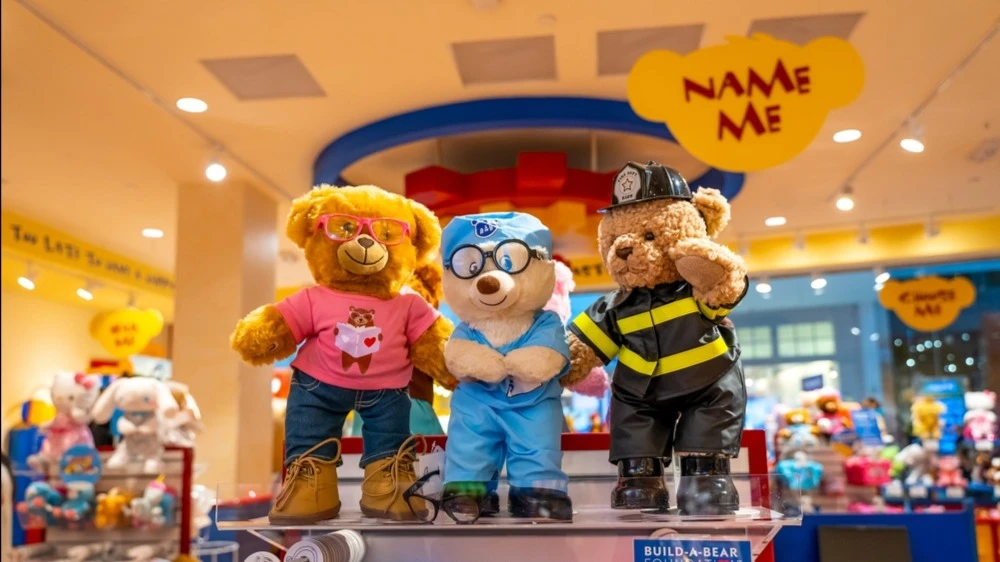
Build-A-Bear has lowered its forecast for the entire 2026 fiscal year: it now expects revenue in the range of $500–525 million / Photo: Iv-olga / Shutterstock.com
Well-known short seller Michael Burry wrote on his Substack blog that Build-A-Bear’s weak quarter — a brand that offers workshops where customers can create their own teddy bears from scratch — prompted him to reassess his position in the company. Following the earnings report, its stock plummeted 27.3%—the largest single-day drop in the company’s history. But the investor is in no hurry to sell his shares. Burry intends to wait for the Form 10-Q: it will show how Build-A-Bear’s fundamentals have changed and whether it’s worth increasing his position following the crash.
Build-A-Bear's Troubled Quarter
Build-A-Bear Workshop has had a rough day, according to Burry: “The stock is now down nearly $11, or about 28%. For me, this is already a trigger for the 20% rule: you either need to take action or exit the position (the 20% rule is a strategy for selecting underperforming stocks to achieve an absolute annual return of 20%, regardless of where the broader index is headed—Oninvest),” — he wrote on his blog on Thursday, August 27.
At the close of trading on August 27, Build-A-Bear shares plummeted 27.3% to $28.4. In premarket trading on Friday, the stock rose slightly: at the time of publication, it was up 0.21%.
The international retail chain’s quarterly report lowered expectations, according to Investor. Burry noted that Build-A-Bear had revised its outlook downward across several areas that were expected to drive business growth. The key signal is a sharp downward revision to the forecast for commercial revenue—that is, sales through wholesale and other partners.
“We had said that revenue for the entire commercial segment would grow by at least 20%. Now we are lowering our forecast to virtually zero growth. Almost all of this revision is due to the fact that the traditional wholesale business performed below expectations. “Looking at the forecast as a whole, we also fell short of our own expectations in the second quarter—again due to weak sales of summer trend items and ongoing pressure on foot traffic,” — Burry quotes Build-A-Bear CFO Vojin Todorovich.
One of the reasons for the downward revision was the loss of a major program with Walmart. In the spring, Build-A-Bear began selling products in more than 1,500 Walmart stores and on Walmart.com; however, the partnership was not renewed for the second half of the year. The company had hoped to replace those sales with other wholesale projects, but they are developing more slowly than expected. The international business also posted weak results. Revenue from franchising outside the U.S. fell by 32.8% to $661,000.
At the same time, the company is not abandoning its previous growth plan: it still intends to open more than 50 new locations and spend $25 million on capital expenditures—Michael Burry points out that this is a significant amount for a small-cap company.
Burry noted that the company’s situation warrants attention, but he sees no signs of a full-fledged turnaround. The investor expects that, following a disappointing quarter, management will be more cautious in its decision-making. Therefore, although Burry himself refers to Build-A-Bear stock as a “hot potato,” he has not yet made a final decision on this position.
“Before deciding whether to increase my position, I’ll wait for the Form 10-Q. For now, I’m continuing to hold the shares I bought very recently. The company is currently trading below its historical IV15 level (a stock valuation metric developed by Michael Burry—the price at which a long-term investor can expect an average annual return of 15% — Oninvest), and it appears that this is still the case. But to be sure, I need to see the 10-Q. My 20% rule doesn’t mean I have to act immediately or rashly,” wrote Michael Burry.
How the Build-A-Bear Business Works
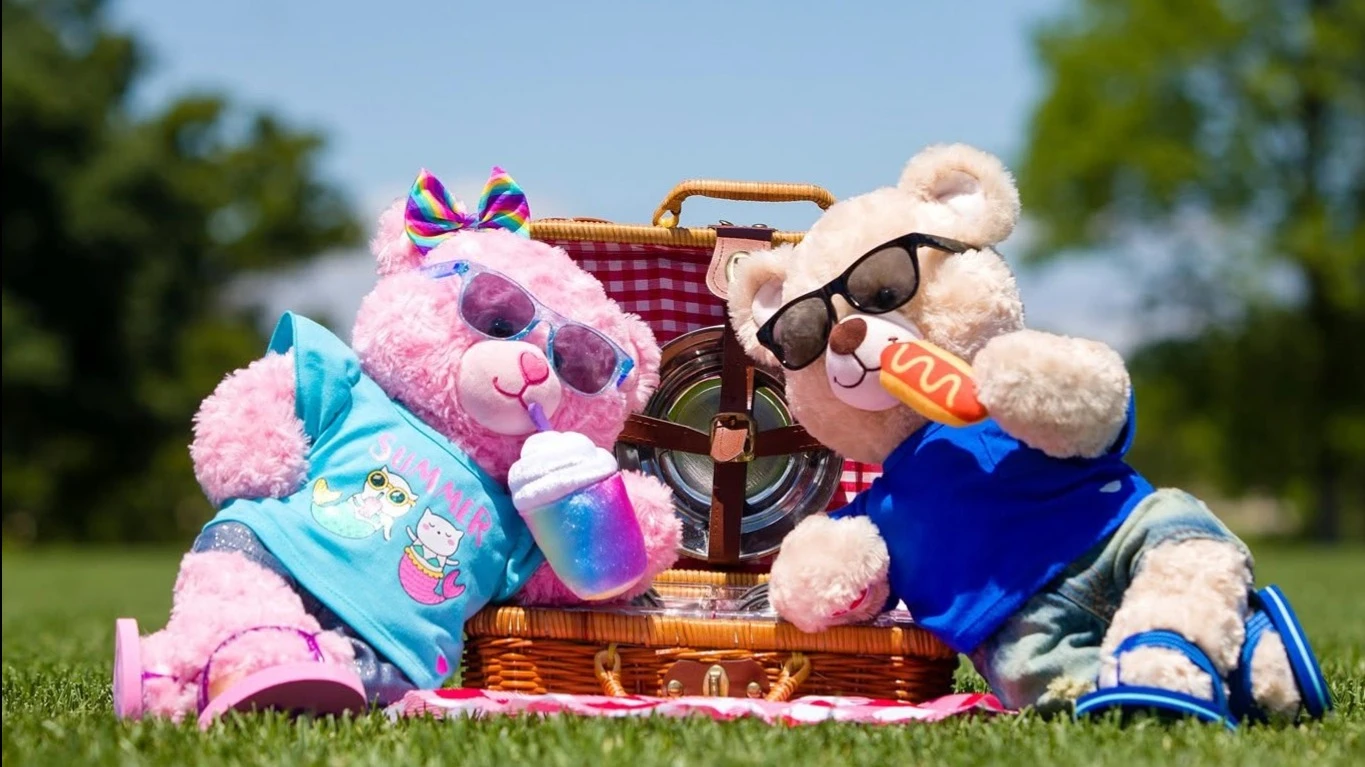
Build-A-Bear Workshop operates at the intersection of retail and entertainment. In its stores, customers assemble their own stuffed animals: they choose the model, stuffing, clothing, shoes, accessories, sounds, and other customization options. A separate segment of the business consists of additional merchandise and licensed collections based on movies, video games, and other popular franchises. The company caters not only to children but also to adult shoppers looking for collectibles and gift items.
The business is built on company-owned stores and online sales. In addition, Build-A-Bear sells its products through major retail chains and other commercial channels, expands its international franchising operations, and opens locations in partnership with other companies. According to the company, as of August 1, 2026, it had 674 locations worldwide: 379 company-operated, 177 partner-operated, and 118 franchised.
Over the past few years, the company has increased its sales: fiscal year 2025 marked the fifth consecutive year of record revenue, which reached $529.8 million. In the second quarter of 2026, the company generated $115.3 million in revenue, compared to $124.2 million in the same period a year earlier. Pre-tax profit fell by 24.1% to $11.6 million. The gross margin decreased from 57.6% to 54.2%, and demand in the online store fell by 15.6%.
The company also lowered its forecast for the full 2026 fiscal year. Build-A-Bear now expects revenue in the range of $500 million to $525 million, down from the previous range of $530 million to $550 million. The pre-tax profit forecast was lowered from $72 million to $78 million to $60 million to $68 million.
During a conference call on August 27, company executives reported that sales began to improve at the start of the third quarter. The launch of the Halloween collection gave Build-A-Bear one of its best sales weeks in the company’s history, and the U.S. online store posted its third-best weekly performance. Management also reported that the average transaction value remains higher than a year ago, and the number of items per transaction continues to rise.
What Analysts Are Saying
Since the beginning of 2026, Build-A-Bear shares have lost approximately 53% of their value. According to MarketWatch, the company’s stock has four ratings from Wall Street analysts, all of which are “buy.” The average price target is $51.75, which is 80% higher than the stock’s closing price on August 27.