Wendy's stock plummeted after Nelson Peltz's fund decided not to buy the company

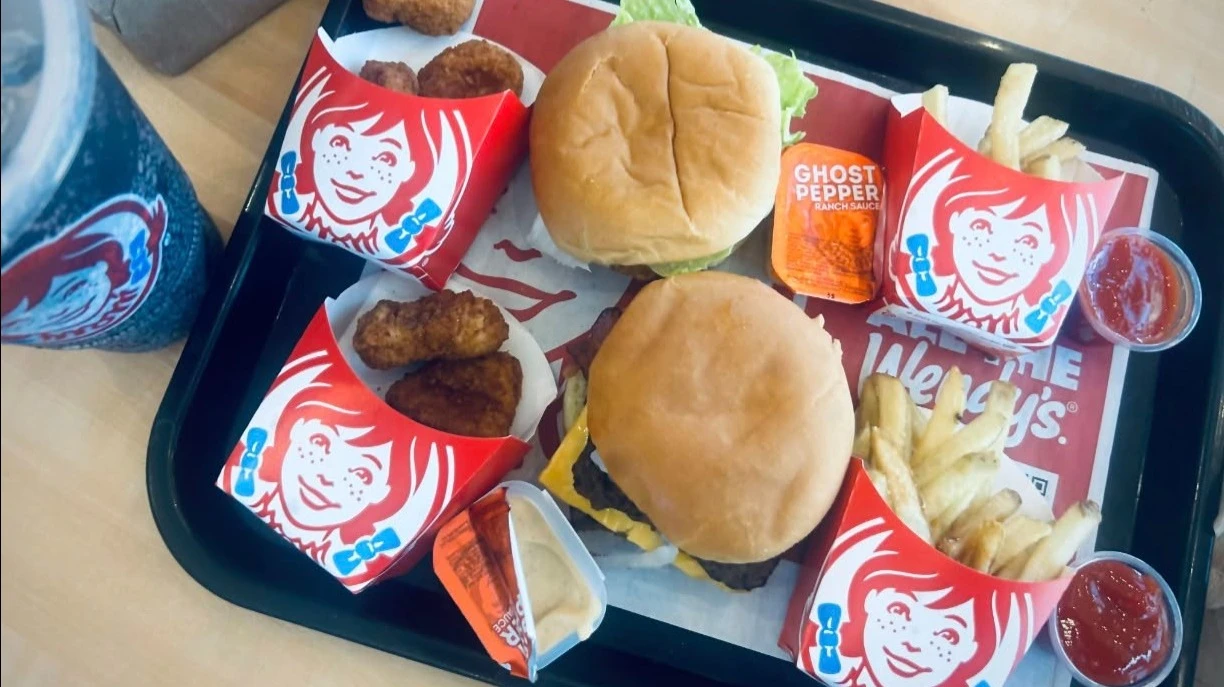
Wendy's stock fell after reports emerged that the investment firm Trian Fund Management had decided not to buy the company / Photo: Facebook / Wendy's
Shares of The Wendy’s Company, which lost its second-place position in the U.S. fast-food market to Burger King in August, plummeted by more than 13% on August 27. Billionaire Nelson Peltz’s investment firm, Trian Fund Management, no longer plans to buy the company, Reuters reported, citing its sources.
Details
Wendy's shares fell more than 13% on the Nasdaq on August 27, to $7.82.
This development was triggered by a report from Reuters: citing its sources, the agency reported that Trian Fund Management no longer plans to make a bid to acquire the chain's shares.
This happened just two weeks after sources told the publication about a consortium of investors’ plans to privatize the company. According to Reuters, in addition to Trian, the consortium may have included BlueFive Capital—whose assets include Bugatti—as well as the Flynn Group, a franchisee of the Wendy’s restaurant chain.
Why Did Trian Change Its Mind?
The investment firm is concerned about Wendy's performance, including its recent stock price and valuation multiples, as well as its current strategic direction, sources told the agency.
She explained that, at the end of the second quarter, the company’s global sales fell 6.5% year-over-year to $3.4 billion, driven by an 8.2% decline in the U.S. to $2.88 billion.
As a result, in early August, Wendy's lost its second-place position in fast-food sales to Burger King, according to CNBC. The network attributed this to the companies’ divergent performance. Both chains have been trying to overcome the sales slump following the coronavirus pandemic, but while Wendy’s has reported a decline in same-store sales in the domestic market for six consecutive quarters, while Burger King has been increasing them—for five consecutive quarters.
On Monday, August 24, Wendy's CEO Bob Wright issued an apology—a rare move for the company— telling the Wall Street Journal that the chain had sacrificed the quality of its ingredients to cut costs, causing it to lose its second-place market position, Reuters reports.
“We certainly have some challenges in our operations. But there are several areas we can focus on,” Wright told the WSJ. His new strategy includes five points aimed, among other things, at improving the value of our products, operational efficiency, store modernization, and marketing.”
On the same day, August 24, the company announced the appointment of Tarik Hassan, a former McDonald’s executive—the industry’s undisputed leader in sales and number of locations—to the newly created position of Director of Marketing and Customer Base Development.
Reuters reports that Trian, having abandoned its bid to acquire Wendy's, may give Wright time to implement his plan to turn the company around.
A Trian spokesperson declined to comment to the news agency; Wendy's representatives did not respond to a request for comment.
What Analysts Are Saying
Since the beginning of the year, Wendy's stock price has fallen 6%.
Wall Street is taking a cautious view of the company's prospects: 18 analysts recommend holding the stock, five recommend selling, and only three recommend buying. The average price target is $7.80, which is in line with the latest closing price.