Iran asks U.S. to lift blockade on Strait of Hormuz - Trump
At the same time, Shell warned of the risks of long oil and gas shortages

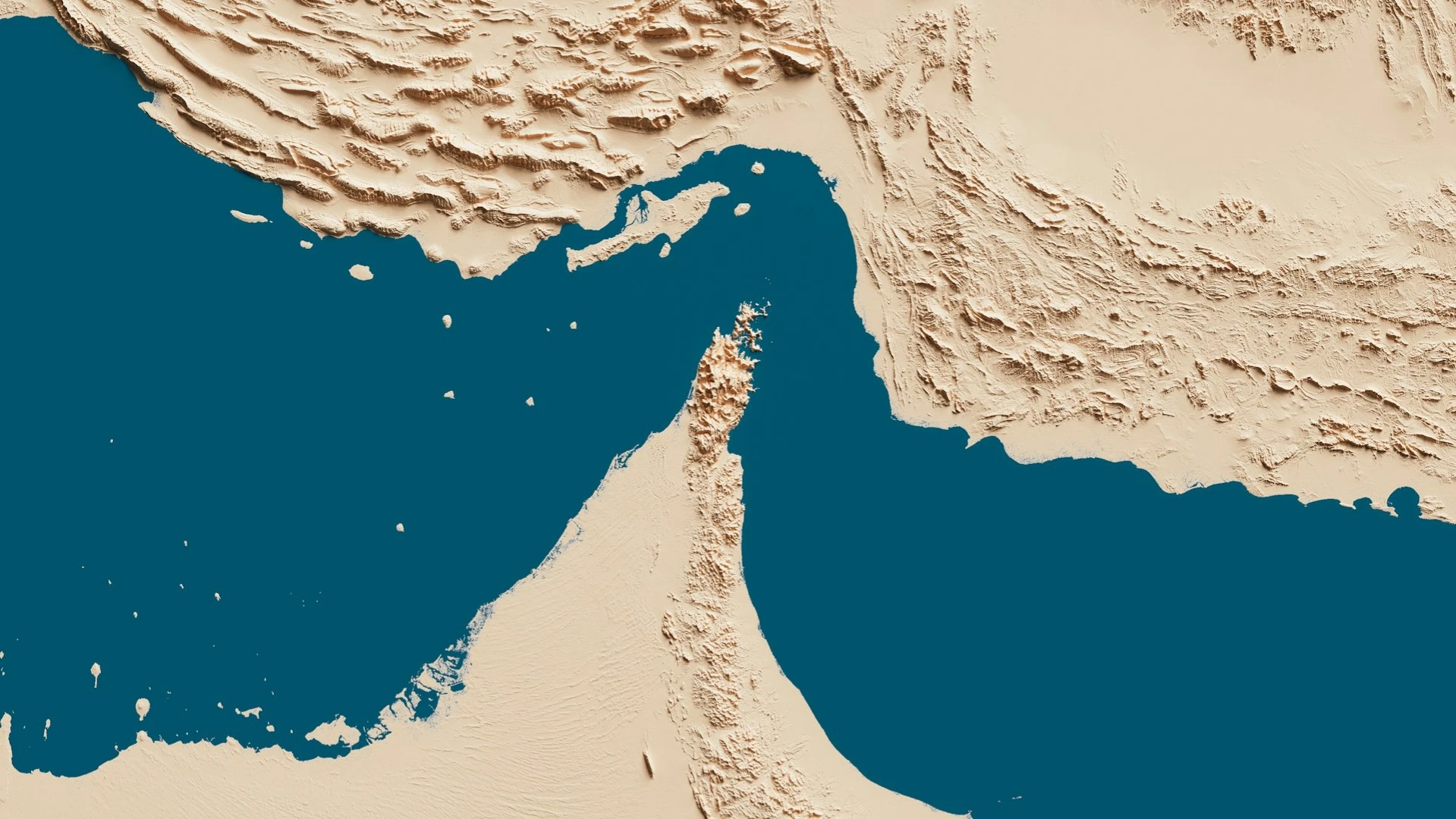
Before the war, about 20% of the world's oil and gas supplies passed through the Strait of Hormuz / Photo: Unsplash/Planet Volumes
Iran wants the US to lift its blockade of the Strait of Hormuz - the most important transportation corridor for oil supplies from the Persian Gulf - as soon as possible. U.S. President Donald Trump wrote about this on April 28 on the social network Truth Social. The closure of the strait could turn into a prolonged shortage of oil and gas, which could last into 2027, in parallel warned Shell - one of the world's largest oil companies.
Details
"Iran has just informed us that it is in a 'state of collapse'. They want us to 'open the Strait of Hormuz' as soon as possible while they try to work out the situation with their leadership (which I believe they will be able to do)," Trump wrote. He did not specify exactly who Washington was in contact with or what "situation" with the Iranian leadership he was referring to.
Trump discussed a new Iranian proposal with the National Security Council on Monday, April 27, that implies opening the Strait of Hormuz on the condition that the U.S. blockade is lifted and the war ends, White House press secretary Caroline Leavitt reported. Mediators in Pakistan expect Iran to present a modified plan to end the war in the next few days, CNN wrote Tuesday, citing sources.
What are the risks of a blockade
Oil and liquefied natural gas shortages caused by the blockade of the Strait of Hormuz could last several months and even possibly extend into next year, Shell CEO Wael Sawan said Tuesday in an interview with Bloomberg TV.
"We're talking about about 900 million barrels that have not been produced in the last few months, and that volume has been replaced largely by inventory drawdowns. We are starting to reach relatively low levels. We're talking about curbing demand in certain areas. We are talking about shifting to other fuels," Ma noted. According to him, this applies not only to oil, but also to LNG.
Brent oil at the auction on April 28 rose in price by about 2.7% and cost about $111.2 per barrel. In the course of trading, quotes exceeded $112 per barrel after the news that the UAE will withdraw from OPEC and OPEC+. U.S. WTI crude oil was growing by almost 4% - up to $100 per barrel.
Context
The US began the blockade of the Strait of Hormuz on April 13 at Trump's request. In fact, this sea route was closed by Iran shortly after the war began. This triggered the biggest energy crisis in decades. Before the war, about a fifth of the world's oil and gas supplies passed through the strait. On April 17, Iran said it would fully open the strait to commercial shipping for a 10-day period, but backtracked on its decision a day later.
Iran claimed to have placed sea mines along the most frequently used routes in the Strait of Hormuz. According to the Pentagon, it could take six months to completely clear the strait of mines, The Washington Post reported. However, it is not necessary to remove all the mines in order to resume navigation: what is needed is a "path" on which ships can go back and forth, U.S. Energy Secretary Chris Wright said on April 28.
This article was AI-translated and verified by a human editor