UAE leaves OPEC: who will be the winner and who will be the loser

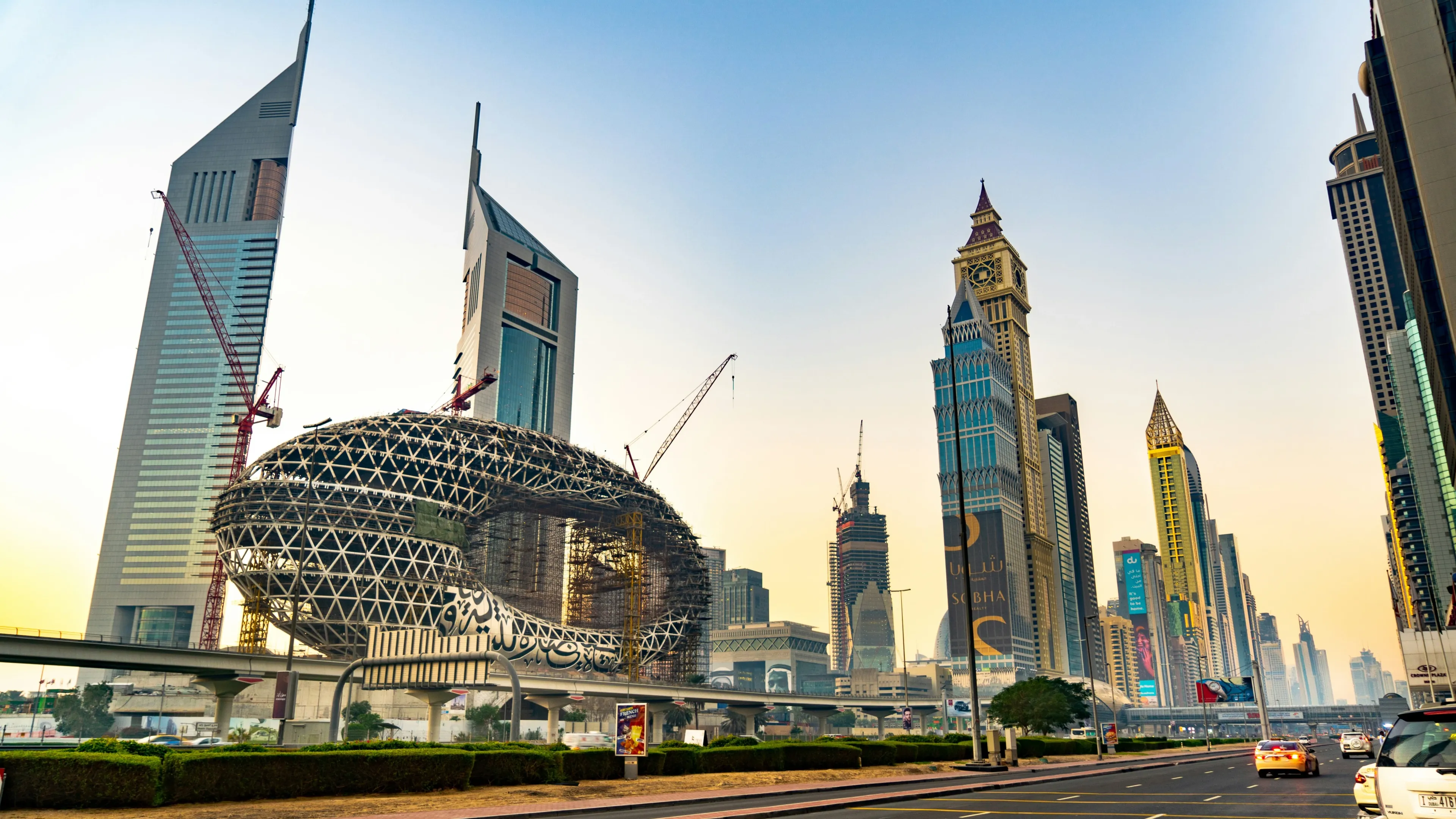
The UAE announced its withdrawal from OPEC and OPEC+. Photo: Darcey Beau / Unsplash.com
On May 1, the UAE will leave OPEC, the association of oil-exporting countries, after almost 60 years of cooperation. The Emirates joined the organization in 1967. Before the Iran war, the UAE was OPEC's third-largest producer, accounting for about 12% of the group's total output. The country will also leave OPEC+, an association that also includes a number of major oil producers including Russia, Kazakhstan and Azerbaijan. Sergey Pigarev, senior analyst at Freedom Finance Global, wrote for Oninvest about what this decision means for the oil market.
We didn't agree on goals and plans
The UAE's decision to withdraw from OPEC and OPEC+ as of Ma 1 became world news, but was not a surprise for oil market professionals. The views of the Emirates and the main member of the organization - Saudi Arabia - on the cartel's policy diverged significantly. The two countries have periodically disagreed on OPEC policy: the UAE sought new investments in expanding production capacity, while Saudi Arabia insisted on reducing production in the cartel countries to maintain oil prices and the balance of supply and demand in the market.
As a result, with significant potential to increase production, the Emirates have long considered becoming independent in hydrocarbon production.
There is undoubtedly a political motive in this decision: the UAE has been subjected to the most extensive attacks by Iran since the beginning of the war in the Middle East. Therefore, further cooperation with OPEC member Iran and its ally Russia, which is a member of OPEC+, may have been deemed inadvisable by the Emirati leadership.
Since the beginning of the war, Iran has effectively blocked the Strait of Hormuz, through which 20% of the world's oil and LNG supplies pass. According to OPEC data, UAE oil production collapsed 44.7% month-on-month to 1.9 million bpd in March 2026.
American footprint
In our view, the administration of US President Donald Trump may also have influenced the UAE's decision. OPEC+ countries view the United States as the main competitor in the oil market.
The main purpose of raising OPEC+ production quotas in 2025, which led to the collapse of oil prices in April last year, was to counter the increasing share of U.S. oil producers in the global market. OPEC+ began increasing oil production quotas in April 2025 and raised quotas by 2.9 million bpd at the end of last year.
In April 2026, the eight OPEC+ countries increased quotas by another 206 thousand barrels per day and by the same amount in May. At the meeting on Ma 3, OPEC+ will decide on production quotas in June. In our view, the quotas (excluding the UAE) may be increased by 1.1 mln bpd this year.
Donald Trump is purposefully increasing US influence on the global oil market. The capture of Venezuelan President Nicolas Maduro has effectively put the country's oil industry under the control of the United States.
One of the goals of war with Iran is also to control its oil and gas industry. Gaining control over the oil of dictatorial regimes is, in our view, Trump's strategy in confronting China. It is no secret that Venezuela and Iran have been selling sub-sanctioned oil to China at a discount. Depriving China of sources of cheap oil weakens the Celestial Empire's position in negotiations with the United States.
Who wins and who loses
The UAE's withdrawal deals a blow to the ability of OPEC and OPEC+ to influence the global oil market. UAE production in February 2026 was 3.4 million bpd. This is 11.9% of total OPEC production and 8% of OPEC+ production.
OPEC+'s share of global oil production will fall from 42% (February 2026 data) to 39% after the UAE withdrawal.
But the image losses of the two associations and Saudi Arabia will be even more significant. It cannot be ruled out that other members of the organization will also prefer to pursue a policy independent of Riyadh in the field of hydrocarbon production.
Reducing the cartel's market power tends to benefit consumers, so we see the UAE's decision as positive news for oil-importing countries and the global economy as a whole.
UAE Energy Minister Suheil Mohammed Al-Mazroui told Reuters that the country made the decision "after a thorough analysis of current and future policies related to production levels," the agency quoted him as saying. There were no negotiations on this issue with Saudi Arabia, the de facto leader of OPEC: the energy minister specified that the UAE did not discuss this issue with any other country.
Bloomberg, citing al-Mazroui, wrote that disruptions in crude supplies caused by the war in the Middle East created the right moment to withdraw from OPEC. "In our opinion, the decision has been taken at the right moment as it will not have a significant impact on the market: there is a supply shortage in the market," he said.
This article was AI-translated and verified by a human editor