Iran has lifted restrictions on Iraq in the Strait of Hormuz. Why are customers in no hurry?
Iraq has urged customers to load up on oil from the country, but buyers have so far been cautious, Bloomberg writes

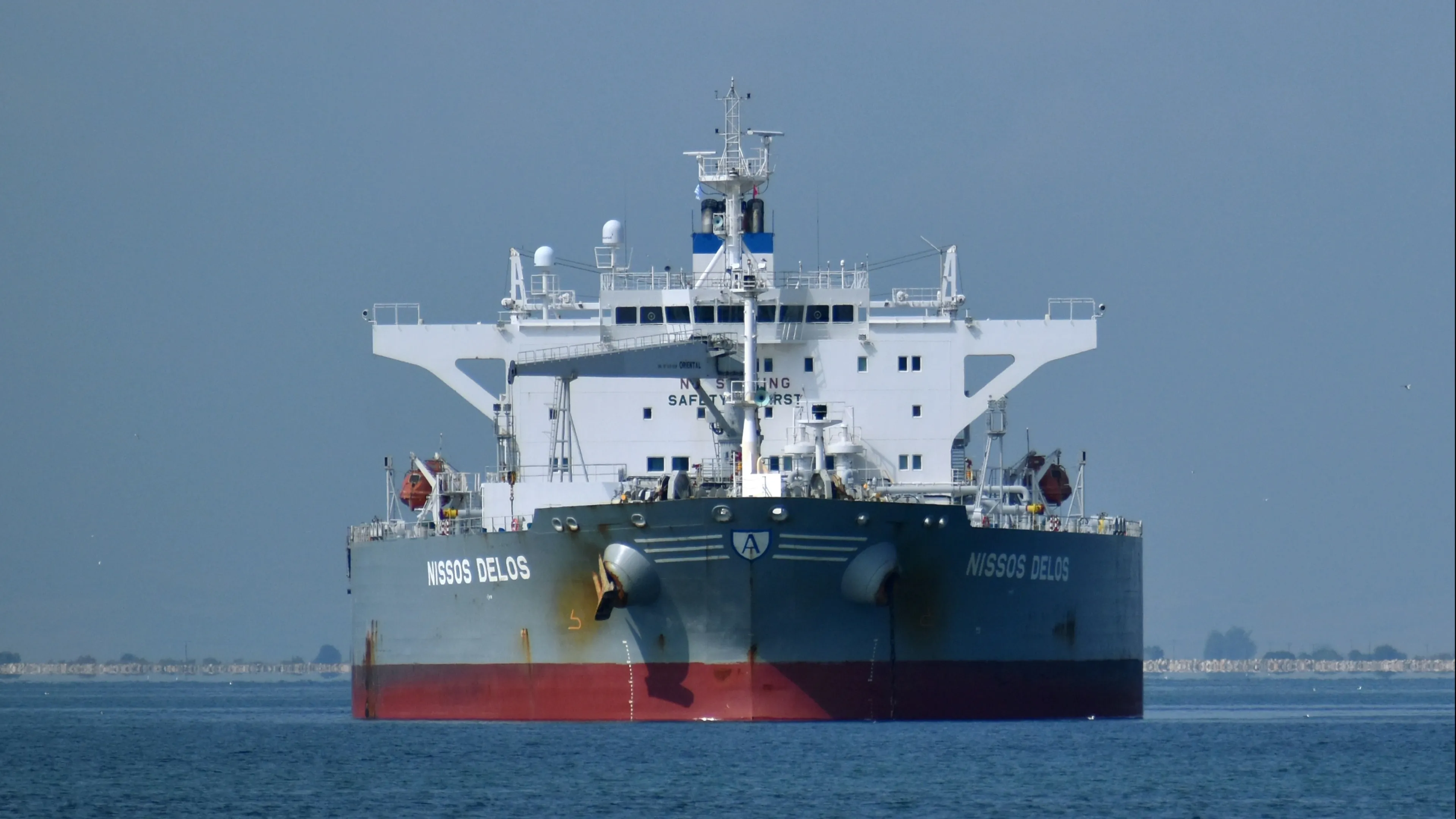
Asian traders can start loading Iraqi oil, Baghdad said / Photo: Athanasios Papazacharias / Shutterstock
Asian traders and refiners can load oil from Iraq - Iran has allowed Iraqi tankers to cross the Strait of Hormuz, according to a notice sent to customers by Iraq's state oil marketing company SOMO on April 5, Bloomberg writes.
Details
In the notice in question, SOMO, citing media reports, said that oil supplies from Iraq are now "free from any potential restrictions." The Al Jazeera TV channel wrote on April 5 that Iran had given Iraqi ships permission for "free passage through the Strait of Hormuz." The corresponding statement, according to its data, was made on April 4 by Iran's central headquarters Khatam al-Anbiya - it said that "Iraq will be freed from all restrictions in the strait" and control will apply only to "enemy [Iranian] countries".
SOMO did not respond to Bloomberg's request for comment - the agency notes that it is still unclear whether Baghdad's agreement with Tehran will apply to all Iraqi oil or only to the country's tankers. SOMO said in its statement it had sent buyers a request for shipment schedules, including details of vessels and the volumes they were requesting. All Iraqi loading terminals, including Basra, are "fully operational," the company assured. Customers were given 24 hours to respond.
However, buyers are still expressing caution about this information, Bloomberg notes. Asian buyers of Iraqi oil contacted by Bloomberg said they are still seeking clarity on the terms of supply, including Iraq's willingness to provide its own tankers to transport the oil to provide additional security.
Context
On April 5, the tanker Ocean Thunder, operated by the Turkish company Onn Denizcilik ve Danismanlik, carrying one million barrels of Iraqi oil, crossed the Strait of Hormuz.
Iraq, Bloomberg explains, often sells oil on so-called "free-on-board" terms (implying exemption of the supplier from liability on board the ship). In this case, refining companies organize delivery themselves. But after the actual closure of shipping through the Strait of Hormuz more than a month ago, the country has faced difficulties in exporting crude oil. In March, Iraqi oil exports fell by about 97% compared to February and averaged 99 thousand barrels per day, the agency points out.
This article was AI-translated and verified by a human editor