Moderna's stock rose 700% on the back of its cancer vaccine. But COVID-19 is still important to revenue
The pharmaceutical company raised its revenue forecast amid growing demand for coronavirus vaccines

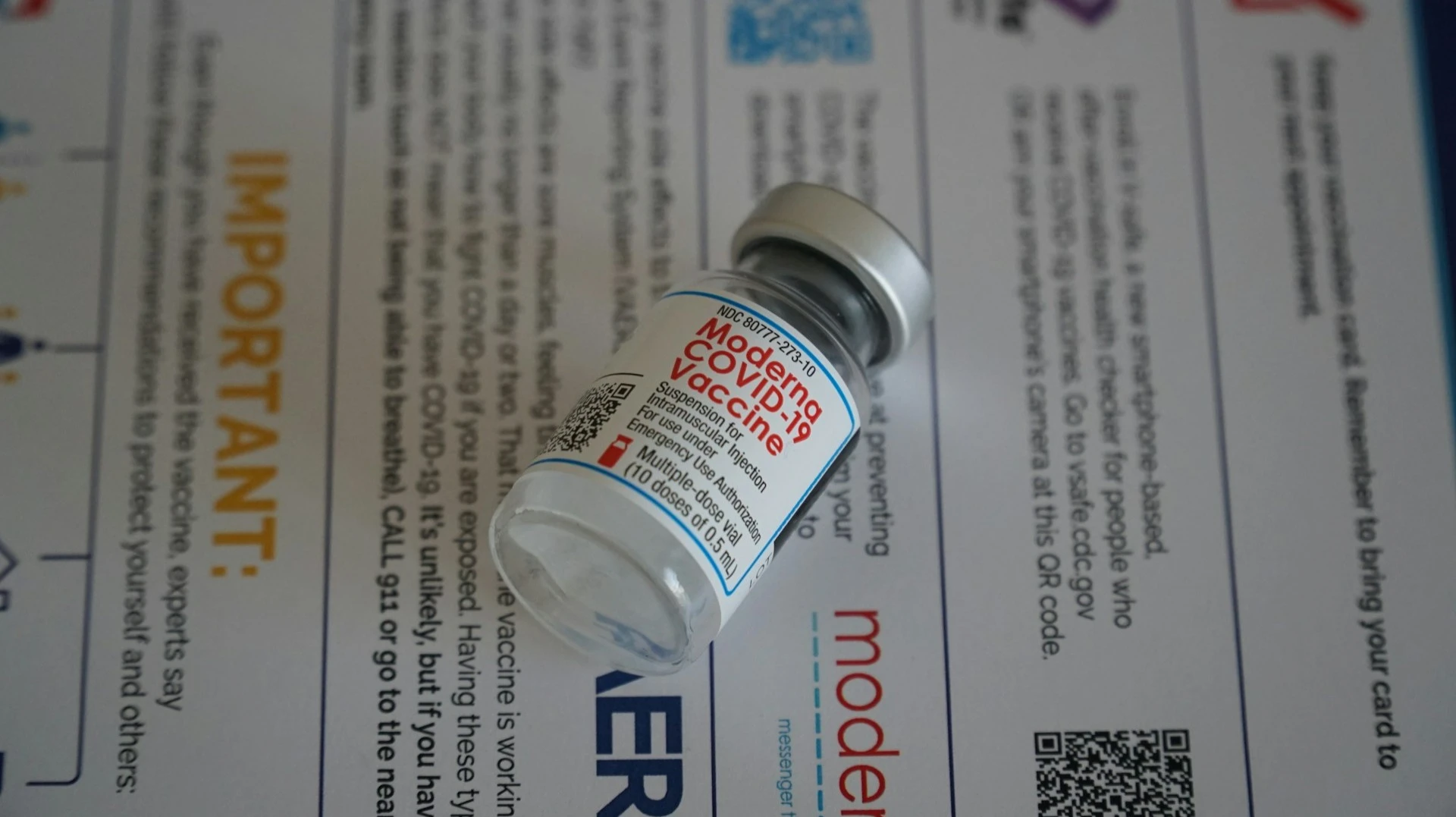
Moderna's stock surged following the release of its quarterly earnings report / Photo: Unsplash.com / Ian Hutchinson
Pharmaceutical company Moderna has raised its forecast for 2026 following a strong quarter in which growth in COVID-19 vaccine sales and international deals helped boost revenue by nearly a third and generate a net profit for the first time in two years. The company is also counting on new sources of revenue outside the coronavirus vaccine market—specifically, the development of drugs to treat cancer. Amid the buzz surrounding its experimental cancer vaccine, the company’s stock has risen eightfold this year.
Details
Moderna reported a 29% year-over-year increase in third-quarter revenue, reaching $1.3 billion. The result exceeded analysts' expectations of $890.3 million, according to Barron's. Moderna attributed the growth to the fulfillment of agreements with the United Kingdom, Canada, and Australia, as well as a five-year contract with a Mexican manufacturer to supply COVID-19 vaccines, which the company expects will support recurring revenue and expand its market presence.
Contrary to market expectations, Moderna reported a profit of $162 million, or 38 cents per share. Analysts had expected a loss of $1.10 per share. A year earlier, Moderna reported a loss of nearly $200 million.
Following a strong quarter, Moderna raised its revenue growth forecast for the full year 2026 to 15–25%, up from the previously stated 10%. Company management expects revenue to be split roughly evenly between the U.S. and international markets.
Moderna shares rose more than 7% during trading on November 6.
Context
The third quarter is traditionally the most successful for Moderna due to seasonal demand for vaccines against respiratory diseases, which continue to account for the bulk of its revenue, Barron's notes.
However, the company did not disclose the quarterly sales figures for mFlusiva — an mRNA flu vaccine for adults over 50, which the U.S. Food and Drug Administration (FDA) approved in August. Moderna noted only that it expects a limited launch of the vaccine in the U.S. during the current flu season, as the FDA’s decision came after the annual contracting cycle had already concluded. On Thursday, Canadian regulators separately approved this vaccine along with a combined flu and COVID-19 vaccine.
What Matters to Investors
Although Moderna’s history is closely tied to vaccines for respiratory diseases, analysts are increasingly linking the company’s prospects to the fight against cancer, according to Barron’s. Attention is focused on intismeran—a personalized cancer vaccine that Moderna is developing in collaboration with Merck. The buzz surrounding the vaccine has caused Moderna’s stock to rise by more than 700% since the beginning of the year.
Extended results from the Phase 3 trial demonstrated the efficacy of intismeran in combination with Merck’s Keytruda immunotherapy in patients at high risk of melanoma recurrence following surgical removal of the tumor. On Friday, the company announced that its partners are “working on submitting documents to regulators and preparing for a potential commercial launch.”
This article was AI-translated and verified by a human editor