Where to invest $1,000 amid the AI selloff: Snacks, med tech, and real estate

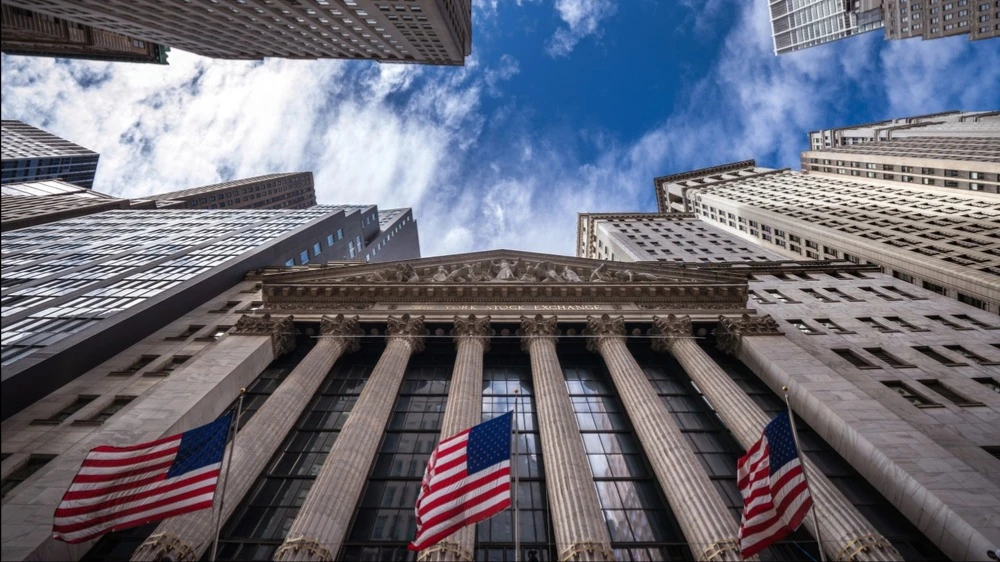
A Freedom Finance Global analyst has picked three promising companies from different sectors amid the tech rout / Photo: Stockinasia / Shutterstock.com
Leadership in the U.S. stock market shifted in October. A fund tracking the Magnificent Seven lost 4.5%, while funds tracking consumer staples and healthcare stocks gained around 10%. The gains extended beyond defensive sectors: more than 70% of S&P 500 stocks rose last month, even as the index itself fell 0.9%, Reuters noted. Tech giants are spending ever more on AI, while investors are questioning whether those investments will pay off and turning their attention to companies with more predictable cash flows.
The selloff intensified after Democrats won the U.S. midterm elections, including in states central for data center development. The Nasdaq Composite lost 5.5% in Thursday’s session.
Against this backdrop, investors should take a closer look at companies outside of the tech sector with their own catalysts for growth and a recovery in value, says Georgy Timoshin, a financial analyst at Freedom Finance Global. He has selected three names from different sectors but cautions that a defensive business does not necessarily make its stock a low-risk investment.
John B. Sanfilippo & Son (Nasdaq: JBSS)
The company makes nuts, trail mix, and snack bars. The investment case centers on expanding contract manufacturing and the potential for a recovery in profitability.
In the first quarter of its fiscal 2027, ended in September, contract manufacturing revenue fell 2.7% to $24.7 million, even as sales volumes rose 41.3% year over year. Additional catalysts could include growth in protein snacks, higher utilization of new production capacity, and selling price adjustments expected in January-February, Timoshin says. Lower capex could support John B. Sanfilippo & Son’s free cash flow: the management expects around $48 million in fiscal 2027 versus $88.1 million a year earlier. Margins remain under pressure, however, making this a bet on a gradual business recovery rather than a rapid improvement in results.
Freedom has a “buy” rating on the stock at a target price of $79 per share, almost 45% above Thursday’s closing price. In total, the stock has two “buy” calls, according to MarketWatch data. The average target of $94 per share implies 72% upside from the last close.
Saul Centers (NYSE: BFS)
Saul Centers is a real estate investment trust that owns neighborhood shopping centers, mixed-use properties, and rental housing. Its defensive characteristics stem from a retail portfolio focused on tenants that meet shoppers’ everyday needs.
At the end of the second quarter, shopping center occupancy stood at 95.7%, while same-property net operating income for those properties rose 3.6% year over year in the quarter. Leasing new residential properties and bringing the Twinbrook Quarter and Hampden House projects to stabilized operations provide additional growth potential. Freedom sees dividends as another factor in favor of the stock: a yield above 8% provides cash income while investors wait for the company’s value to recover. The main risks are weakness in the office segment, financing costs, and the concentration of properties in the Washington/Baltimore region, which generates more than 85% of the REIT’s property net operating income, Timoshin points out.
Freedom has a “buy” rating on Saul Centers at a target price of $39 per share, implying 35% upside from Thursday’s close.
Inogen (Nasdaq: INGN)
Inogen makes respiratory care equipment, particularly portable oxygen concentrators. The investment case rests on international expansion, growing sales through home medical equipment providers, and a broader product lineup.
In the second quarter, Inogen’s top line rose 3% year over year, driven by 14.8% growth in international sales, while the gross margin expanded to 45.5% from 44.8%. The company remained in the red at the bottom line, however, reporting a net loss of $3.9 million. At the end of June, cash, marketable securities, and restricted cash totaled $106.8 million, with no debt outstanding.
The management has lowered its 2026 revenue guidance to $355-361 million from $366-373 million. It raised its adjusted EBITDA guidance to around $4 million, however, thanks to an improved gross margin and cost controls. This points to the potential for efficiency gains even with modest sales growth, Timoshin notes.
However, Freedom sees uncertainty in the shift from direct sales to patients toward a partner-based model and the scaling back of the rental business. That makes Inogen a riskier turnaround story within healthcare rather than a classic defensive stock.
Inogen has two “buy” ratings and an average target price of $12 per share, 77% above Thursday’s closing price.