More expensive than in 2008: ex-White House adviser predicts oil price spike
Only two scenarios - and both are unlikely, according to Rapidan Energy President Bob McNally - can curb price increases

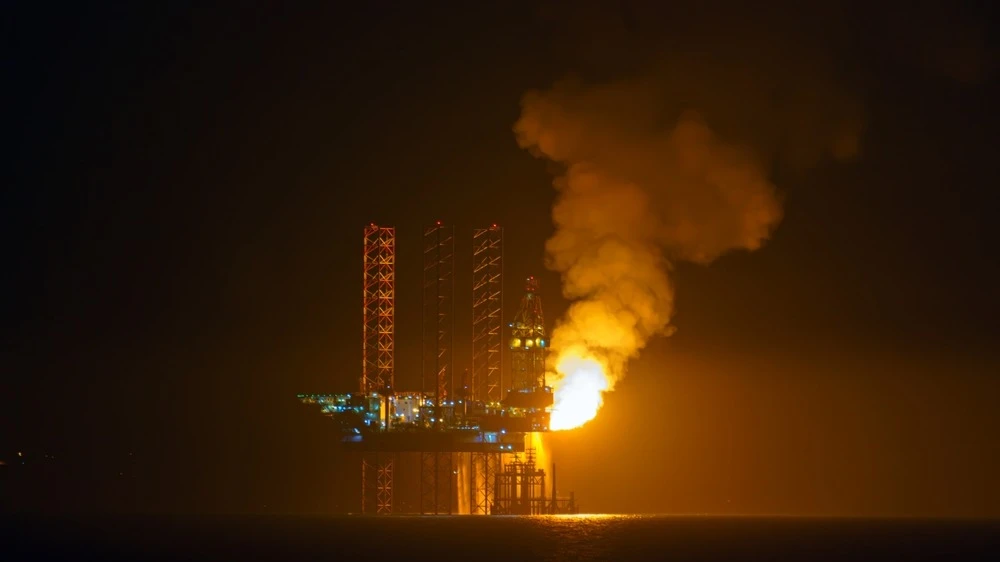
Hydrocarbon prices jumped on March 19 after attacks on major energy facilities in Iran and Qatar / Photo: Sergey_Bogomyako / Shutterstock.com
Supply disruptions due to the war in Iran may soon raise oil quotations to levels that the markets have not seen since the global financial crisis, predicted former White House energy adviser Bob McNally. According to his assessment, the rally in the hydrocarbon market will stop only when the extreme cost of a barrel provokes a sharp reduction in consumption and a downturn in the U.S. economy.
Details
Oil prices in the coming weeks may break through the historical highs of 2008, McNally said in an interview with the Business Insider website. "I think we're talking about the high triple-digit range," the expert said, assessing the possible market ceiling. He advised George W. Bush Jr. on energy issues in the 2000s and later founded the consulting firm Rapidan Energy.
"They will creep up until they hurt enough to slow the economy and collapse demand, at which point we'll have a free fall [of oil prices]," McNally added. According to him, the upward trend will continue as the current cost of a barrel is far from the critical "pain threshold", there is no new supply, and buyers are forced to overpay for fuel. Only two unlikely scenarios can stabilize the situation: a truce between the US, Israel and Iran or a long military operation by Washington to unblock the Strait of Hormuz.
What's up with oil prices
In 2008, the oil market experienced a period of unprecedented volatility: in July, amid high global demand and speculative overheating of the market, quotations of the benchmark Mark Brent reached an absolute record of $147.5 per barrel. However, by the end of the year, the global financial crisis led to a large-scale reduction in purchases, as a result of which prices collapsed by more than 70%, falling to $40.
On March 19, Brent futures jumped more than 6% to nearly $115 a barrel after new attacks on key Middle East energy infrastructure heightened investor fears of disruptions to global oil and gas supplies. Tehran responded to an Israeli strike on Iran's South Pars field by attacking one of the world's biggest gas complexes in Qatar. US President Donald Trump said he "knew nothing" about the strike on South Pars and promised to deter Israel from further attacks on the facility.
This article was AI-translated and verified by a human editor