Morning Highlights: Oil Prices Rise Amid Strikes on Iran; Nvidia Tightens Export Controls

Photo: Benjamin Lehman on Unsplash
Oil prices rose after the U.S. imposed fees for passage through the Strait of Hormuz, resumed the blockade of Iranian ports, and launched new strikes against Iran. Nvidia has more than halved the number of Asian buyers of its AI chips following stricter enforcement of U.S. export control compliance checks. Read about these and other topics in our roundup of key events as of the morning of July 14.
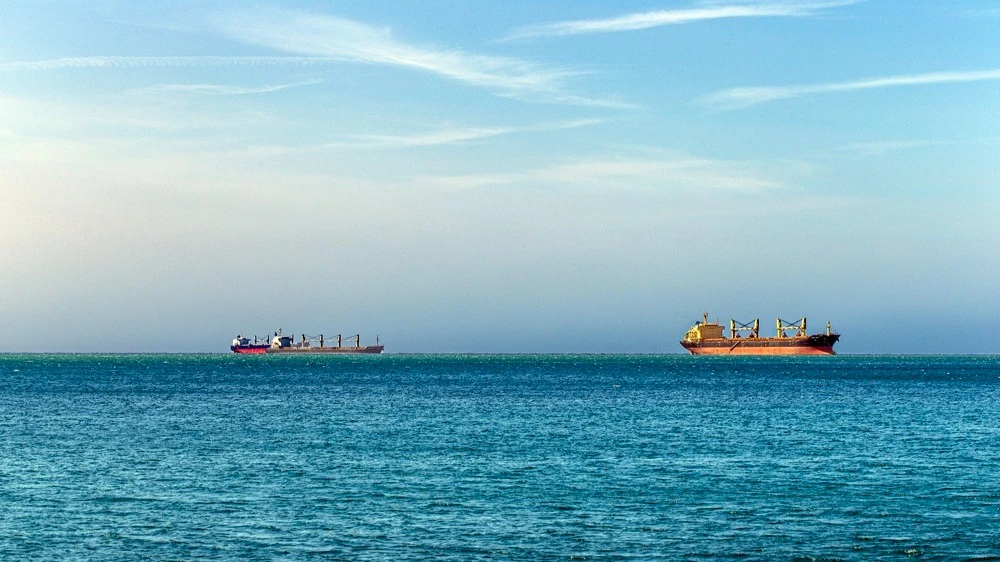
The U.S. launched strikes against Iran, and Tehran attacked tankers in the Strait of Hormuz
For the third night in a row, the U.S. carried out strikes on Iranian military targets, claiming to have destroyed coastal defense systems, missile and drone systems, as well as infrastructure related to naval operations, CNBC reports, citing U.S. Central Command (CENTCOM).
In response, Iran attacked two UAE oil tankers in the Strait of Hormuz, killing one crew member, and launched new strikes against Bahrain, where missile alerts were issued.
Oil Prices Rise After Trump Announces Tariffs in the Strait of Hormuz
Oil prices continued to rise on Tuesday following U.S. President Donald Trump’s announcement of a 20 percent levy on shipments passing through the Strait of Hormuz and the resumption of the blockade of Iranian ports, according to CNBC. Brent rose 1.85% to $84.84 per barrel, and WTI rose 2% to $79.78, following a jump of nearly 10% the previous day.
Citi believes that the new measures significantly increase the risk of further escalation and could keep oil prices high for a long time. Before the U.S. and Israeli strikes on Iran, about one-fifth of global oil supplies passed through the Strait of Hormuz, but shipping traffic has dropped sharply since the war began.
Nvidia has more than halved its list of Asian buyers of AI chips
Nvidia has created a new “whitelist” of customers who have passed enhanced checks for compliance with export restrictions and has removed more than half of its previous customers in Asia from the list, particularly cloud service providers, according to the Financial Times. The company has tightened controls in Singapore, Malaysia, and Japan to prevent chips from being shipped to China.
Inspections have intensified following recommendations from the U.S. Department of Commerce aimed at preventing the transfer of advanced Nvidia processors to overseas subsidiaries of Chinese companies, the newspaper explains. However, customers who fail the initial review will be able to rectify the violations and resubmit their applications, the FT notes.
The developer of the AI agent Hermes raises at least $75 million at a valuation of $1.5 billion
TechCrunch has learned that Nous Research, the startup behind the open-source AI agent Hermes, is finalizing a funding round led by Robot Ventures, with participation from USV and other investors. The company expects to raise at least $75 million at a valuation of $1.5 billion. The publication notes that investor interest has been high.
Founded in 2023, Nous Research is developing Hermes, an open-source AI agent that automates tasks, allows users to communicate with AI agents and receive messages from them on Telegram and Discord, and supports built-in tools for search, programming, and image analysis. The service is available as a cloud-based subscription starting at $20 to $200 per month, and the company plans to allocate the new funds toward developing Hermes products and expanding its business model.
What's Happening in the Markets
— Japan's broad-based Topix index rose 0.9%, while the Nikkei 225 rose 0.5%.
— Hong Kong's Hang Seng Index rose 0.3%, while mainland China's CSI 300 Index rose 1.2%.
— In South Korea, the KOSPI index rose 0.5%, while the KOSDAQ fell 2.7%.
— Australia's S&P/ASX 200 remained virtually unchanged.
— In the U.S., futures on the S&P 500 and the Dow Jones Industrial Average were virtually unchanged, while Nasdaq Composite futures rose 0.5%.
This article was AI-translated and verified by a human editor