SK Hynix Led the Decline Among Chipmakers; Oil Prices Saw Their Sharpest Daily Gain Since 2020
Brent crude rose by nearly 10%

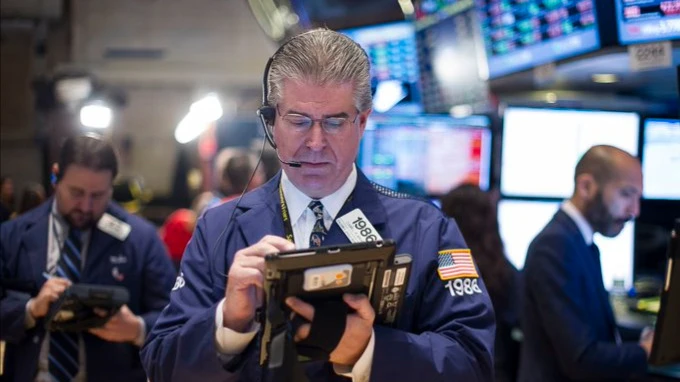
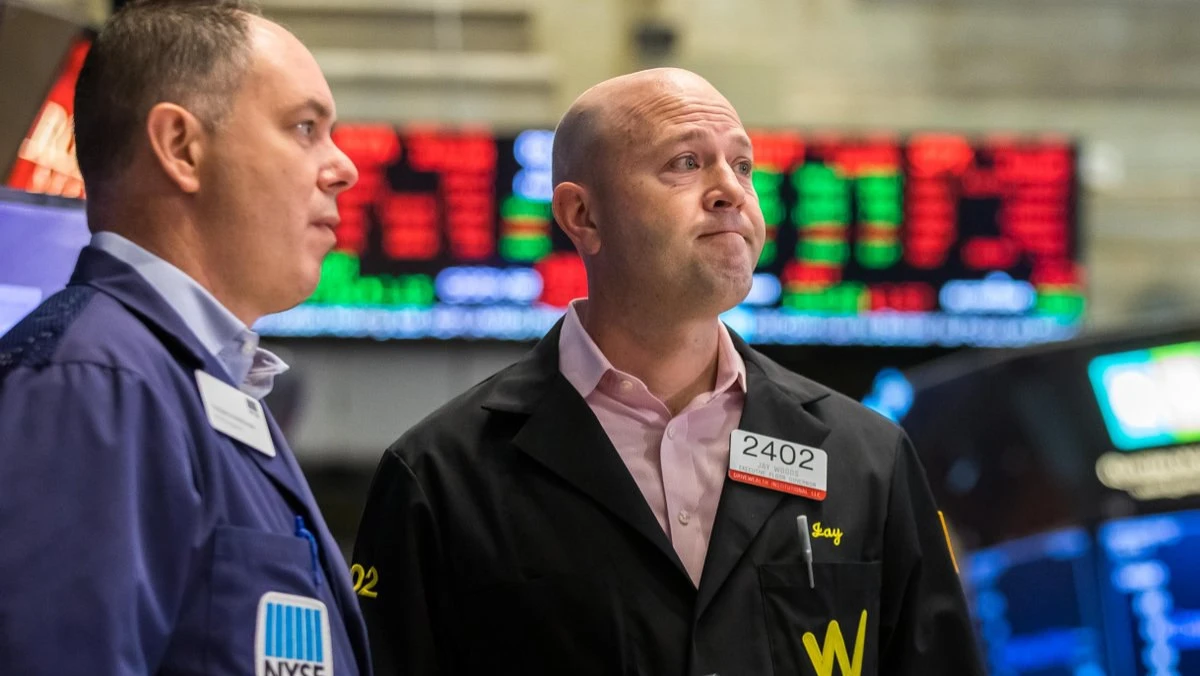
Traders have raised their expectations for a Fed rate hike following the rise in oil prices. Photo: X / NYSE
On Monday, July 13, Brent crude rose by nearly 10%, marking its strongest gain in six years. Major U.S. stock indices fell. U.S. President Donald Trump announced the resumption of the naval blockade of Iran in the Strait of Hormuz: the escalating situation in the Middle East is once again leading to a decline in traffic through this vital transport corridor. Traders now fear that the U.S. Federal Reserve may raise interest rates due to rising oil prices. Shares of semiconductor manufacturers came under pressure, according to CNBC: SK Hynix shares traded in the U.S. lost 9% in a single day following the South Korean chipmaker’s successful debut on the Nasdaq on Friday.
Details
— The closing price for Brent crude futures on Monday was $83.3, up 9.6%. This marks the sharpest one-day gain since May 5, 2020, according to MarketWatch, citing data from Dow Jones Market Data. The final price of the contracts was the highest since June 12. U.S. WTI crude oil jumped 9.4% to $78.14. This year, the commodity has shown more significant growth rates only three times, The Wall Street Journal noted.
— The S&P 500 broad-market index fell 0.79% on July 13.
— The Dow Jones Industrial Average, a "blue-chip" index, fell 0.26% on Monday.
— The Nasdaq Composite technology sector index fell 1.55% over the course of the day.
— The Russell 2000 Small- and Mid-Cap Index fell 0.8%.
— The CBOE Volatility Index (VIX), also known as Wall Street’s “fear index,” jumped 14% and rose above 17 points. A level of 20 points is considered a psychologically significant threshold indicating high volatility.
— The dollar strengthened by 0.32% against a basket of other world currencies.
— The price of gold fell by 3% and dropped below $4,000 per ounce.
What Drives the Market
On Monday, U.S. President Donald Trump announced that the United States would resume blocking Iranian ships from leaving the Strait of Hormuz. He also stated that the strait would remain open to other vessels, but that the U.S. would charge 20% of the cargo’s value to ensure the safety of shipping. Following Trump’s statements, oil prices rose sharply while bond prices fell: tensions around the Strait of Hormuz have heightened fears of disruptions to energy supplies, which could fuel inflation, according to Bloomberg.
This latest escalation followed an exchange of airstrikes between Iran and the U.S. over the weekend, after which Tehran declared the Strait of Hormuz closed. Trump claimed on Sunday that the key shipping route remains open to commercial traffic, according to CNBC. Kpler’s MarineTraffic service reported on Monday that the number of commercial vessel transits through the strait over the weekend fell by 52% compared to the previous weekend. Only 12 such passages were recorded on Sunday, Barron’s reports. Before the war began, more than 100 ships crossed this vital waterway daily, the publication notes.
Semiconductor stocks came under pressure on Monday. SK Hynix shares traded in the U.S. fell 9% following the South Korean chipmaker’s debut on the Nasdaq on Friday, when they had surged 13%. Micron Technology shares closed down 4.3%, SanDisk shares fell 12.6%, and Seagate Technology shares dropped 5.5%. Advanced Micro Devices shares lost 4.2%, Intel shares fell 6.1%, and Nvidia shares dropped 3.5%. The iShares Semiconductor ETF fell 4.8%.
In addition, shares of the largest U.S. banks— JPMorgan Chase, Goldman Sachs, Morgan Stanley, Bank of America, and Citigroup —fell on July 13 ahead of the release of their earnings reports this week. Netflix, Johnson & Johnson, and UnitedHealth will also report their quarterly results. Expectations for the earnings season are high, CNBC notes. According to FactSet, analysts on average forecast that earnings for S&P 500 companies rose by more than 23% year-over-year in the second quarter.
What Analysts Are Saying
— Until the situation in the Strait of Hormuz changes, the baseline scenario calls for further increases in oil prices, inflation expectations, and interest rates, which will periodically trigger volatility in the stock market,” said Paul Christopher, head of global investment strategy at Wells Fargo Investment Institute, as quoted by Bloomberg.
— “Uncertainty in the Middle East persists, but we believe that the artificial intelligence wave will be the main driver of the market in the coming weeks, especially as earnings season begins,” — Sonu Vargese, global macro strategist at Carson Group, told Bloomberg.
— The ongoing sharp volatility in semiconductor stocks is preventing the technology sector from transitioning to sustainable growth, and the escalation of hostilities and rising oil prices are also not helping the bulls, noted Chris Larkin, Managing Director of Trading and Investment at E*Trade at Morgan Stanley, noted. “Headline inflation figures are expected to slow this week, but strong data may provide less support to the market if traders decide that oil prices will rise again,” Bloomberg quoted him as saying.
This article was AI-translated and verified by a human editor