Nasdaq Composite registers worst weekly decline since June
Doubts over returns on massive AI investments drove the selloff


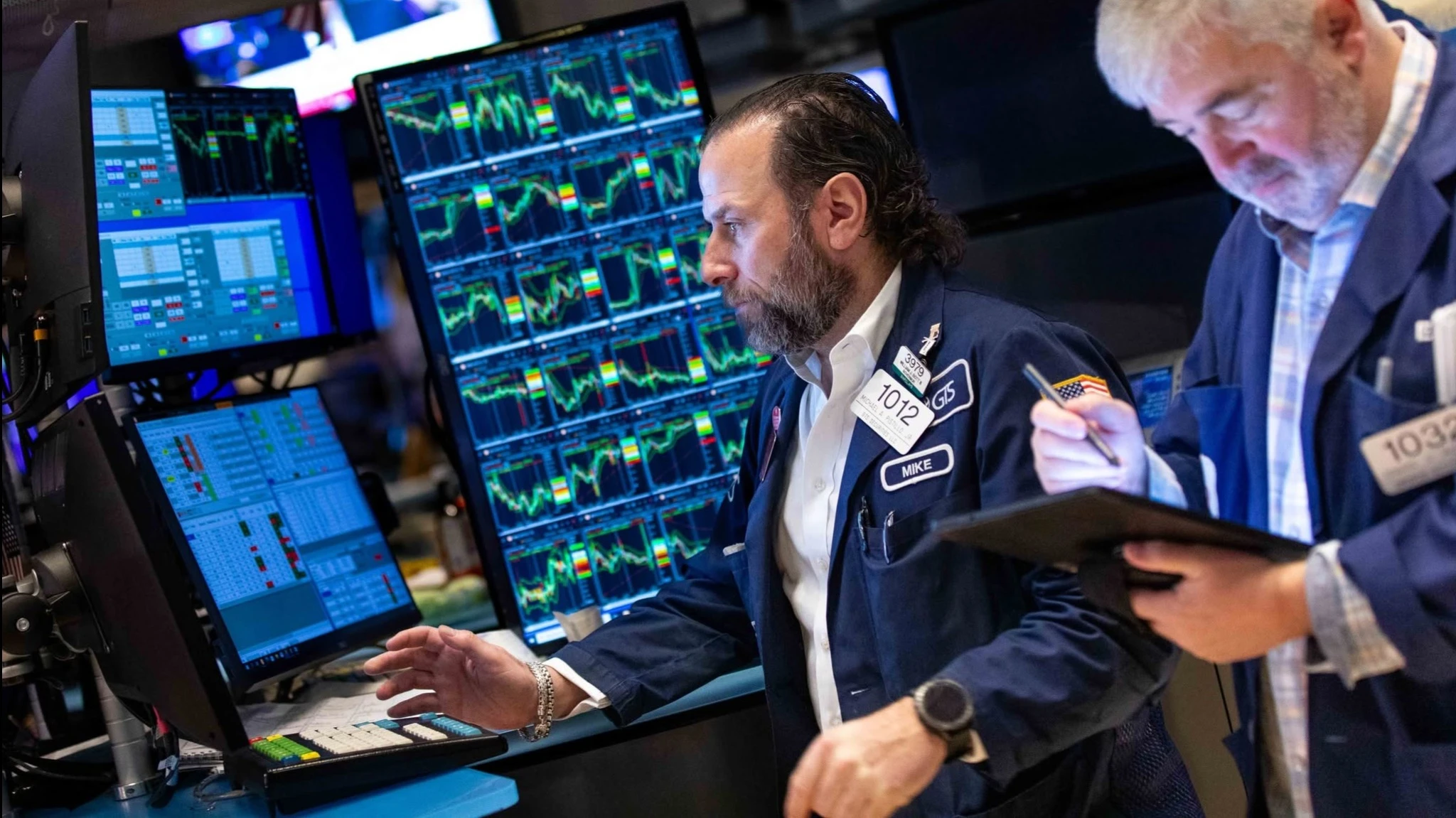
The Nasdaq lost more than 4% this week / Photo: rblfmr / Shutterstock.com
The tech-heavy Nasdaq Composite fell 2.15% on Friday, posting its worst daily and weekly declines since June, as Barron's reports. It also snapped a four-week winning streak. It lost around 4% over the five trading days this week.
The broad-market S&P 500 fell 1.1% on Friday, while the blue-chip Dow Jones Industrial Average slipped 0.3%. The Russell 2000 index of smid-cap stocks retreated 2.5%. For the week, the S&P 500 lost around 2%, but the Dow managed a 0.7% gain.
Brent crude reached $110 per barrel during trading for the first time since May, with December futures rising 3.7%. Oil thus posted a second consecutive weekly gain, Bloomberg reports.
Chip stocks fell for an eighth consecutive day, their longest losing streak since 2008, Bloomberg writes. The Philadelphia Semiconductor Index dropped 3.83% on Friday. Concerns that the AI infrastructure buildout has outpaced companies’ ability to generate returns on those investments shook the sector, Bloomberg reckons.
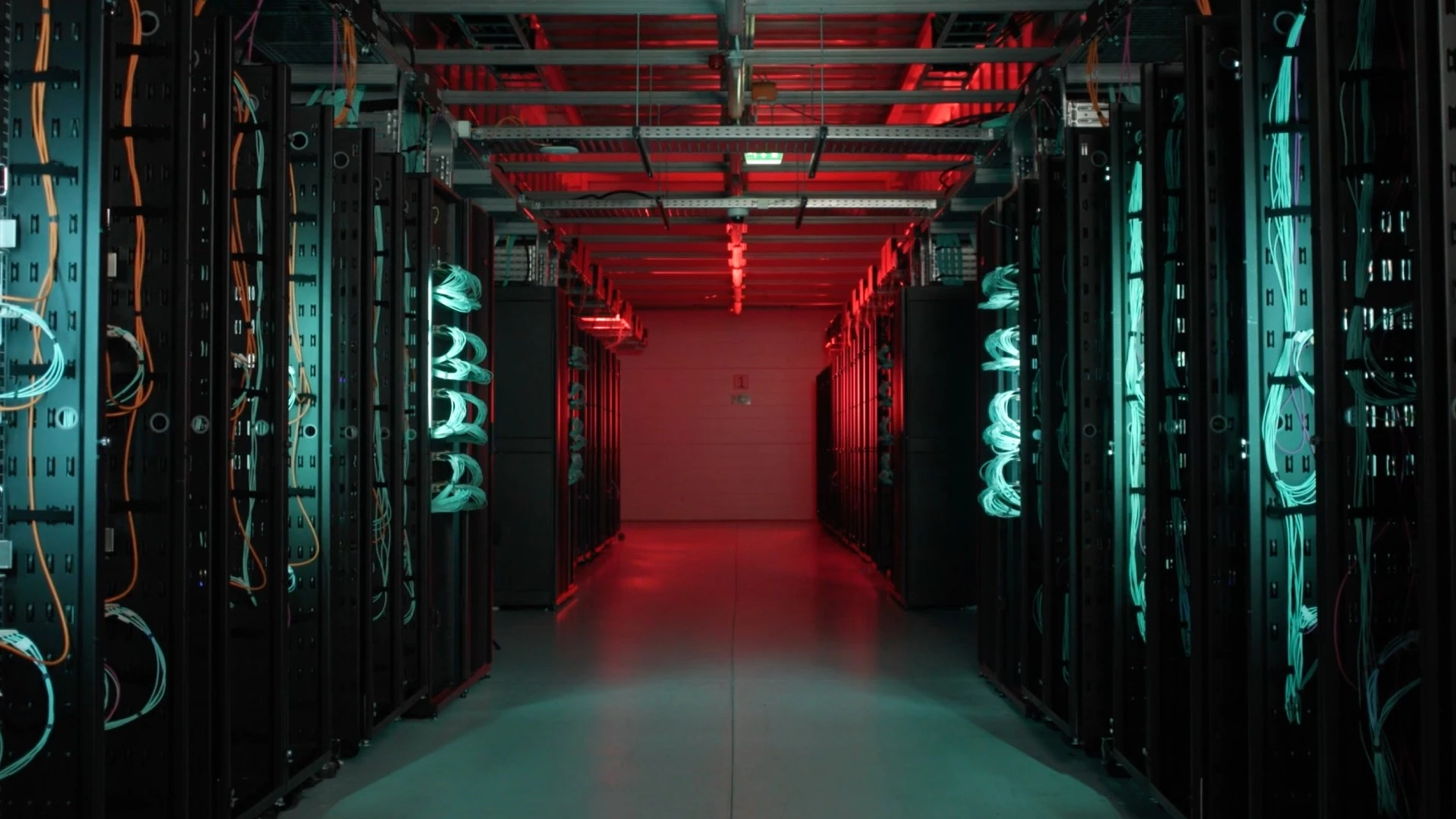
Neoclouds, which provide computing capacity, also took a hit: CoreWeave and Nebius each fell 12% on Friday. In CoreWeave’s case, investors are concerned about its debt: its bond yields have reached levels that typically signal financial distress, Bloomberg notes. The company has drawn particular attention as a relatively new entrant in a business that relies heavily on high-yield debt to finance its expansion. With U.S. Treasury yields elevated and inflation higher, the cost of that financing is rising fast, Bloomberg added.
“The question is no longer simply how large the AI opportunity can become, but how profitable the enormous investment required to realize it will ultimately be,” said Fawad Razaqzada, an analyst at Stonex Trading and Forex.com, as quoted by Bloomberg. Demand for chips and computing capacity remains strong, but investors also want to see adequate returns on the sums being spent on data centers, power generation, networking, and other infrastructure, he argues.
“The market is burnt out on AI,” DataTrek Research cofounder Nicholas Colas told Barron's. “And the upshot of it is, equity investors are not used to being venture investors. Investors are saying, ‘It's enough already. You all want to go off and build this science project? That's awesome but we don't have to be along for the ride…’”