No longer a protective asset: gold nears longest losing streak in 2.5 years
Quotes have declined for seven consecutive trading days while oil over $100 per barrel and a strong U.S. dollar pressured the precious metals market

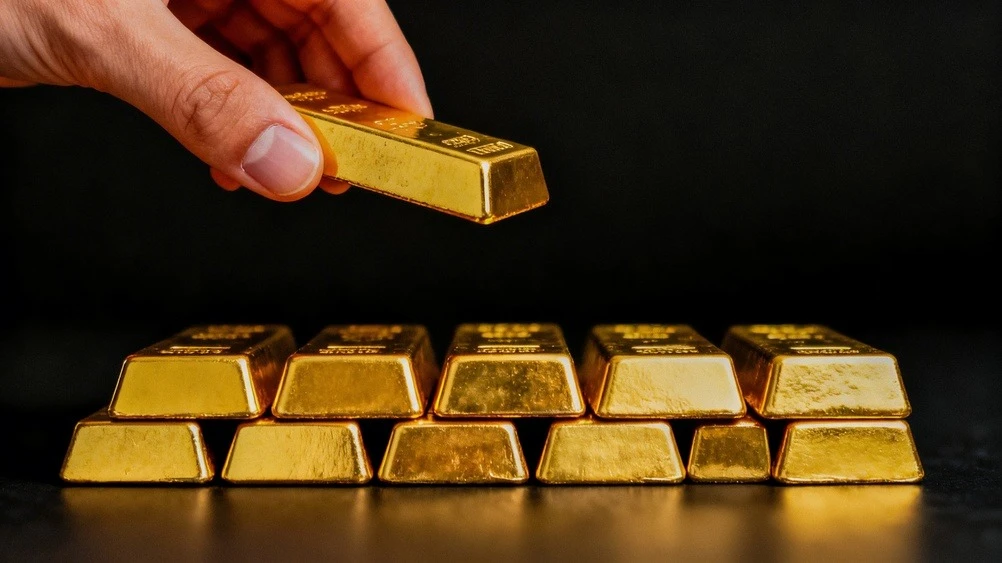
Gold prices declined for the seventh consecutive day on Thursday, March 19. Photo: GraphinityLab/Shutterstock
Gold prices on Thursday, March 19, declined for the eighth consecutive session: at the time of publication spot gold is cheaper by 2.9% to $4679 per ounce. At the same time during the session quotes of precious metal showed volatility: first adding 1%, but then turned around and moved to decline, being on the way to the most protracted series of declines since October 2023, Bloomberg writes.
Details
At the end of January, gold prices reached an all-time high, exceeding $5595 per ounce. Then they demonstrated growth of more than 20% since the beginning of the year. However, by March 19, the growth of precious metal quotations from the beginning of the year has decreased to about 7%. In recent weeks, gold prices have been falling - from the beginning of the military operation in Iran on February 28 to the close of trading on March 18, gold lost almost 9%.
The main deterrent for the precious metal was the escalation of the conflict in the Middle East, notes Bloomberg. Iranian strikes on energy infrastructure in the region, including a drone attack on Saudi Aramco's refinery in the port of Yanbu and on the gas complex in Ras Laffan in Qatar, pushed oil prices to $119 per barrel on March 19 (at the time of publication Brent is trading at $114). Brent has been at levels around $100 for the past two weeks. The rapid rise in energy prices has heightened inflationary concerns and worsened the prospects for lower interest rates in the US in the near future. For gold, which does not earn interest income, such conditions combined with a strengthened U.S. dollar create serious pressure, Bloomberg writes.
What the analysts are saying
"It's no longer a safe haven, it's a speculative asset," said Plurimi Wealth LLP Chief Investment Officer Patrick Armstrong. According to him, gold can no longer be seen as a defense against market turbulence because of the magnitude of its rally and high volatility (quoted by Bloomberg).
"Dollar strength and general pressure from developed country central banks tightening policy is creating uncertainty for gold in the short term," explained ABC Refinery Australia head of institutional markets Nicholas Frappell (quoted by Bloomberg). However, he added: "If inflation rises faster than interest rates, a fall in real rates (nominal rates minus inflation. - Oninvest note) could help gold in the medium term." Such a situation traditionally returns investors' interest to precious metal as a reliable way of capital preservation.
Context
Following the results of the meeting on March 17-18, the U.S. Federal Reserve kept interest rates unchanged - at the level of 3.5-3.75%. At the same time, the regulator noted that "the consequences of events in the Middle East for the U.S. economy are unclear", and uncertainty "remains elevated".
This article was AI-translated and verified by a human editor