Motley Fool: May be too late for dark horse role for Viking in GLP-1 wars

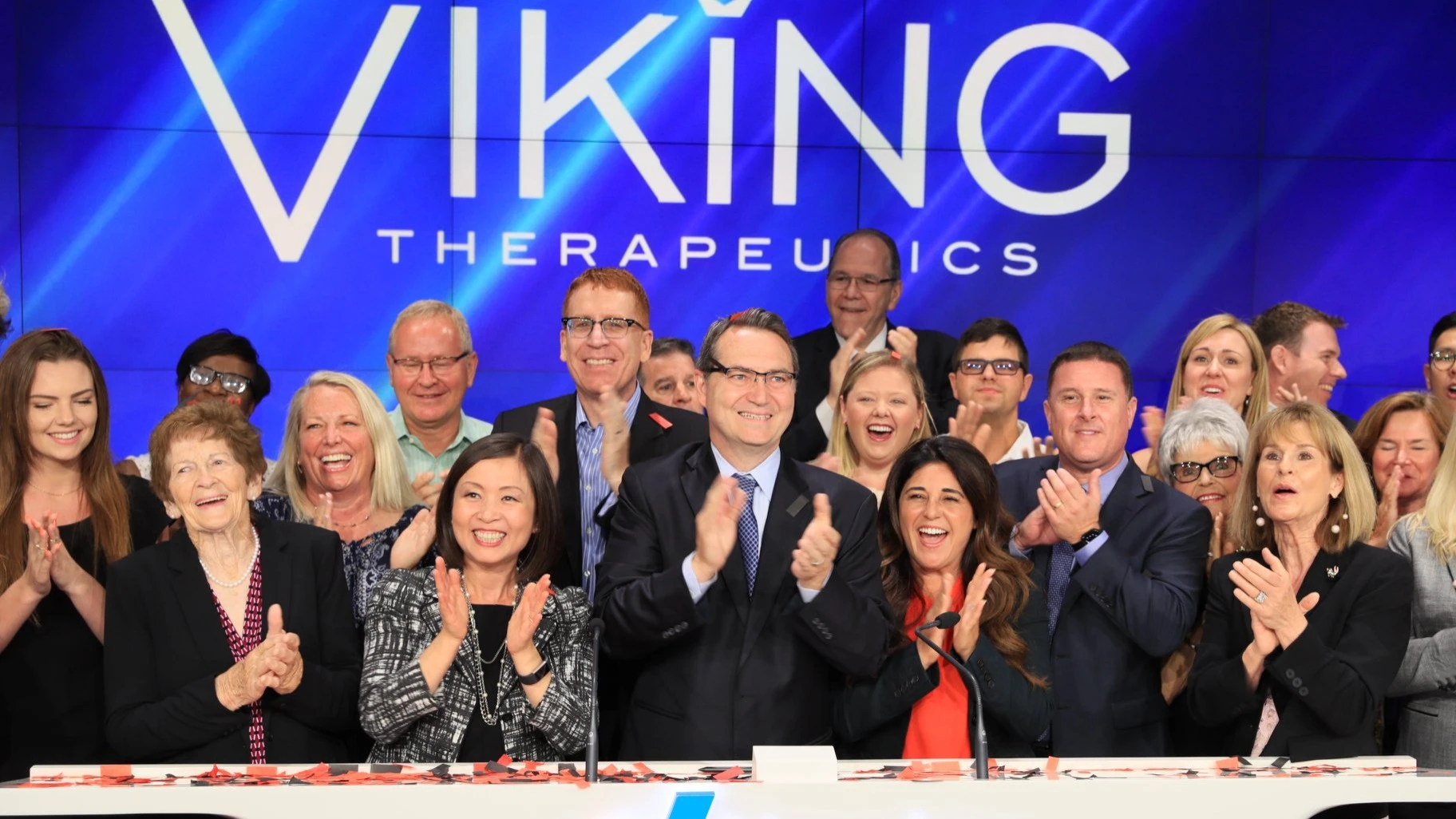
Before considering a purchase of this once-popular and now apparently undervalued stock, keep in mind that the company faces many hurdles in taking on competitors like Novo Nordisk and Eli Lilly, a new Motley Fool article argues / Photo: Facebook/Nasdaq
Investors would be “wise to stay away” from shares of mid-cap biotech Viking Therapeutics, argues Motley Fool analyst Thomas Niel. Viking is no longer the “dark-horse candidate” in the obesity-drug market, in his estimation: the company is still testing its therapies, while competitors have already made greater progress. Wall Street broadly disagrees with that view.
Details
Niel advises investors to avoid Viking Therapeutics shares in favor of stock in the company’s larger rivals.
In 2023-2024, Viking was viewed as a favorite among developers of GLP-1 obesity drugs capable of competing with Denmark’s Novo Nordisk and U.S.-based Eli Lilly, The Motley Fool wrote. At the time, clinical trials of the mid-cap company’s VK2735 candidate demonstrated stronger results than Eli Lilly’s Zepbound, according to Niel. Investors, he said, were “aggressively” bidding up Viking shares on expectations the company could become an acquisition target for another pharmaceutical group. From November 2023 through the end of February 2024, shares of the mid-cap drug developer surged roughly eightfold.
But investor optimism has since faded: subsequent clinical-trial data included reports of worse-than-expected side effects, Niel noted.
The competitive environment has also changed. While VK2735 remains in the clinical-trial stage, the biotech company’s larger competitors are developing new, more powerful obesity treatments, Niel said. Among them, he highlighted Novo Nordisk’s investigational CagriSema and Eli Lilly’s retatrutide.
All of this has driven Viking shares down nearly 64% from their peak to $30.90 per share at the close on Friday (U.S. markets were closed Monday).
Niel also pointed investors to the company’s balance sheet: Viking ended the first quarter with approximately $603 million in cash while spending roughly $114 million. The Motley Fool analyst believes the company may need to raise additional funds to bring its drugs to market, which could result in shareholder dilution.
What other analysts say
Wall Street does not share Niel’s pessimism. Viking shares currently have 15 “buy” calls, two “hold” ratings, and no “sell” recommendations from analysts. The average target price for the biotech stands at $95.40 per share, more than triple the stock’s latest closing price. In October, investment bank Canaccord initiated coverage of the stock with a “buy” rating, calling Viking “one of the leading biotech companies in the obesity drug development space.”