Oil up 5%: Vance says Iran unwilling to concede, admits use of force
Iran is rushing to prepare for war in case talks fail, WSJ writes

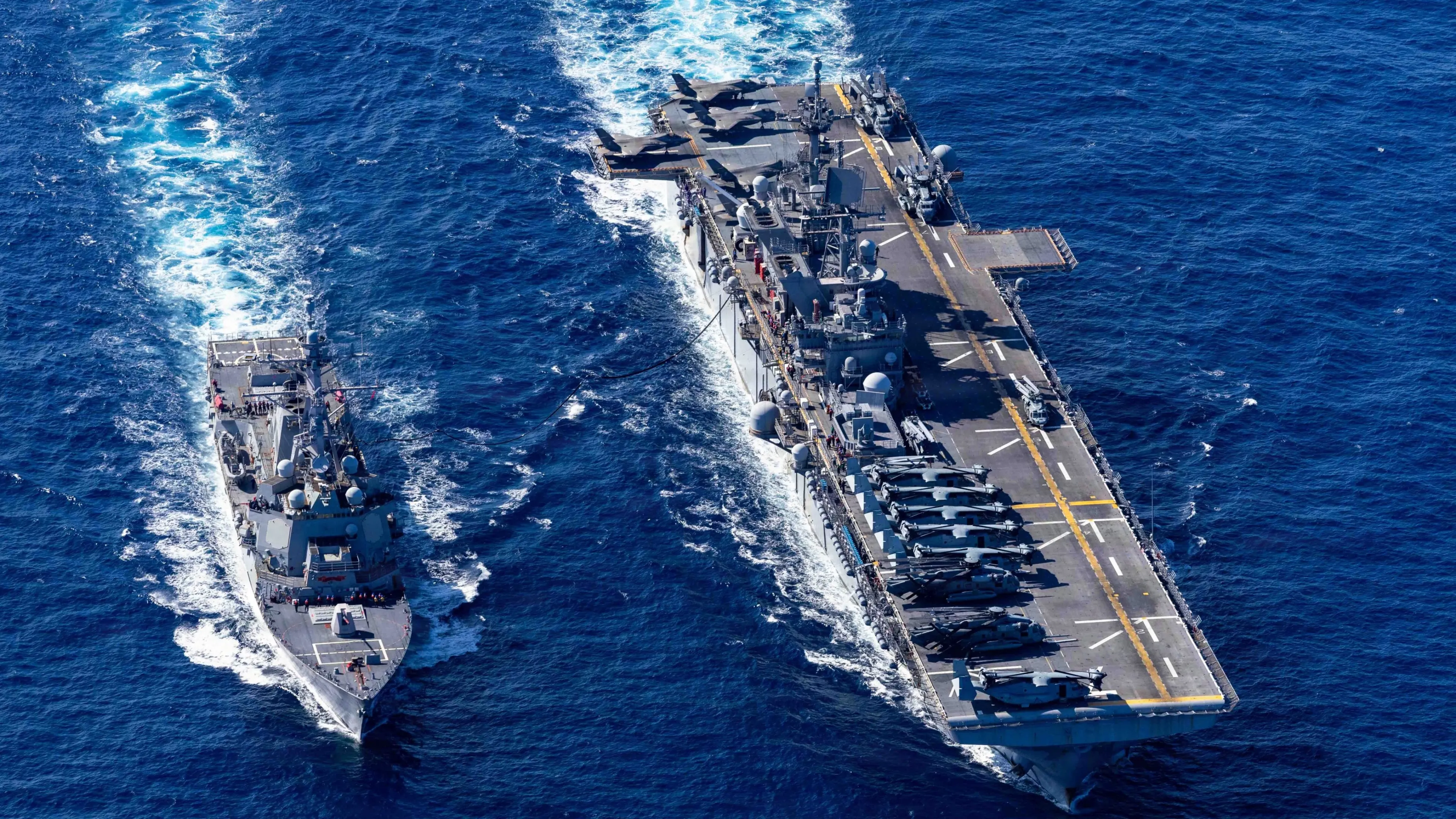
The U.S. sent a second aircraft carrier to the Middle East in February / Photo: X/Department of War
Oil prices rose almost 5% in trading on February 18 after U.S. Vice President J.D. Vance said he was dissatisfied with Iran's position in the nuclear talks. According to him, the US reserves the right to use military force.
Details
Brent crude oil Mark rose by more than $3 per barrel or 4.7% to $70.58 per barrel. American oil WTI rose by 5% to $65.45 per barrel.
Iran is ignoring key demands of the U.S. side in negotiations with the United States, J.D. Vance told Fox News after the delegations of the two countries met in Geneva on February 17. Vance said U.S. President Donald Trump has set specific "red lines" that the Iranians "so far don't want to actually recognize and work on." Trump reserves the right to use force if he fails to stop Iran's nuclear program through diplomatic means, Vance added.
At the same time, Iranian Foreign Minister Abbas Araghchi called the discussions in Geneva "constructive" and claimed that the parties reached an agreement on the basic principles. Against this background, the day before, oil quotations, on the contrary, were declining, as the market saw a chance for a deal, notes CNBC.
Will there be a war
The possible US military campaign, Axios sources said, would be massive, last several weeks and would be more akin to a full-fledged war than a short-term operation to capture Venezuelan President Nicolas Maduro in January. The US aircraft carrier USS Abraham Lincoln is in the region. In addition, Trump has sent another aircraft carrier, the USS Gerald Ford, to the Middle East, CNN and NBC News wrote on Feb. 13. The second ship will be needed if the negotiations fail, the US president said at the time.
Iran's leaders are hoping to strike a nuclear deal with the United States, but at the same time they are rushing to prepare for a possible war if the talks fall apart, The Wall Street Journal wrote. Specifically, authorities are deploying their forces, dispersing decision-making authority, fortifying nuclear facilities and stepping up repression of the opposition inside the country, the newspaper said.
Iran faces "the most serious military threat" since 1988, when the eight-year war with Iraq ended, Geneva Graduate Institute analyst on Iran and the Middle East Farzan Sabet told the WSJ.
Additional tension during the talks was created by Iranian military exercises in the Strait of Hormuz. This is a key route for global oil supplies, through which about a third of the world's sea exports of raw materials passes, Kpler's assessment was cited by CNBC. At the same time, Kpler has not recorded any vessel traffic stoppages due to the military exercises, said the company's analyst Matt Smith.
This article was AI-translated and verified by a human editor