Qatar sends first LNG tanker after halting exports due to war - Bloomberg

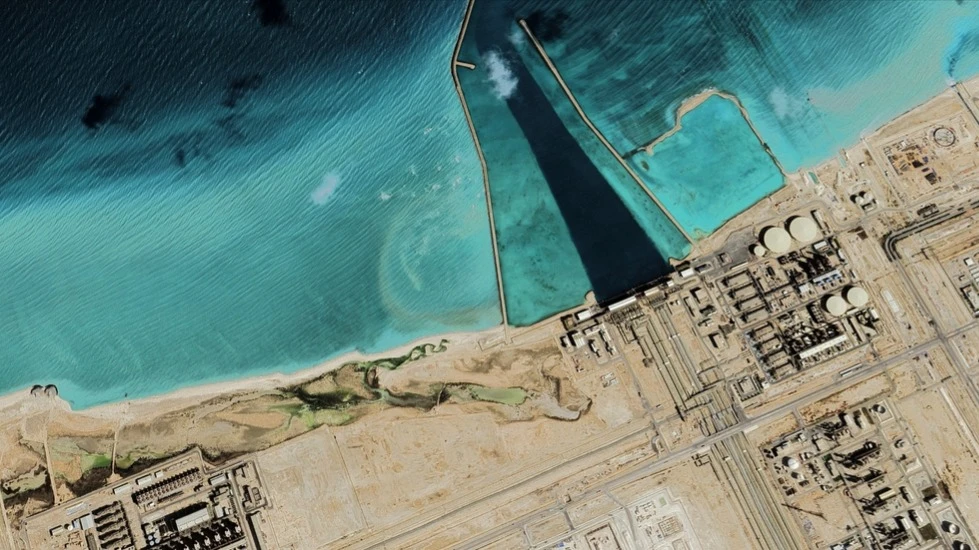
Qatar sends first LNG tanker after Ras Laffan plant shutdown - Bloomberg / PaPicasso / Shutterstock
Qatar appears to have loaded its first liquefied natural gas tanker after an escalating conflict in the Middle East forced it to halt production and declare force majeure, Bloomberg writes, citing ship tracking data.
Details
The tanker Lebrethah left the world's largest LNG export complex Ras Laffan in Qatar on Friday, March 6, Bloomberg writes, citing ship tracking data. The ship's draft has increased, indicating that the fuel is being loaded on board, the agency said.
According to the Marine Traffic service, at the time of publication of this material, the Lebrethah was in the Persian Gulf near the coast of Qatar and away from the Strait of Hormuz, through which ships from the Gulf reach the Arabian Sea and then the ocean. The Strait of Hormuz is controlled by Iran and is effectively blocked by it because of the war.
Lebrethah is flying the flag of Liberia and lists Bangladesh as its next destination with an estimated arrival date of March 14, Marine Traffic shows. The voyage depends on the ability to pass through the key Strait of Hormuz. But the tanker could also be used simply as floating storage until the route opens, Bloomberg notes.
A spokesman for state-owned QatarEnergy did not respond to the agency's request for comment on the fuel load and the tanker's destination.
LNG can be loaded onto ships even after production stops because some of the fuel is stored in tanks at the terminal, Bloomberg explains. Shipping monitoring data shows that some shipments of gas were loaded after the weekend when the U.S. launched its operation in the Middle East, but those ships are still near the LNG complex.
Context
Earlier this week, Qatar's Energy Minister Saad Al Kaabi warned that all energy exporters in the Persian Gulf could soon halt production if the US war with Iran, which is shaking the entire region, does not stop immediately. This war could "bring down the economies of the world," he added.
The Qatari minister predicted oil prices could rise to $150 a barrel within two to three weeks if tankers and other merchant ships are unable to pass through the Strait of Hormuz, a key maritime trade route through which about a fifth of the world's oil and gas passes. Iran effectively cut it off after the war began.
Al Kaabi's forecast is 65% higher than current prices for Brent crude. It rose in price by more than 5% on March 6 and exceeded $91 per barrel.
The minister also suggested that gas prices could rise to $40 per million British thermal units (about €117 per MW⋅h) - almost four times the pre-war level.
This article was AI-translated and verified by a human editor