Reuters: Billionaire Boehly signs deal to buy oil giant Lukoil's overseas assets

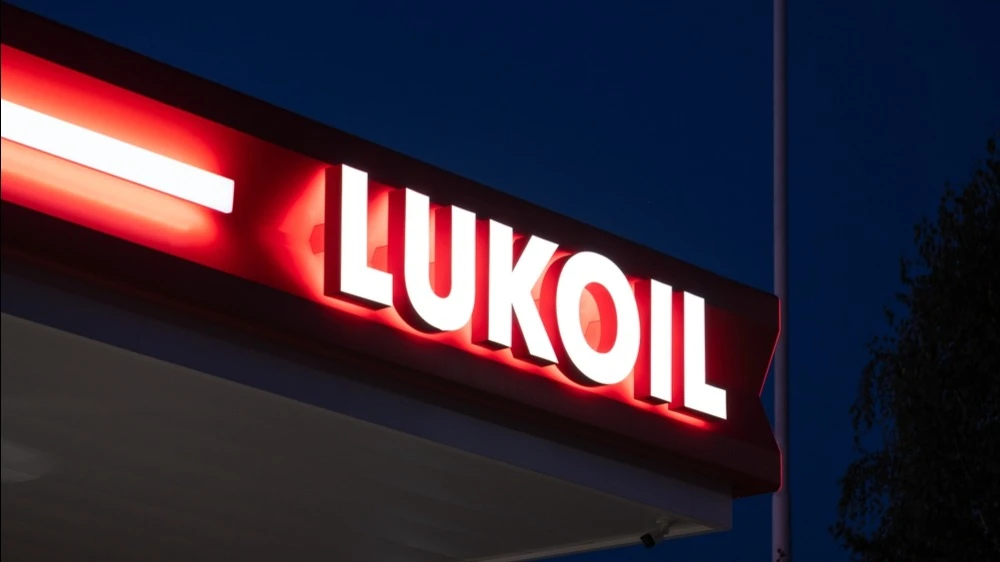
If the deal is approved, the U.S. government will be among those sharing in profits from Lukoil’s former assets / Photo: Dmitriy Prayzel / Shutterstock
U.S. billionaire investor Todd Boehly said Wednesday that he had signed an agreement with Russian energy company Lukoil. Under the deal, a consortium that includes the U.S. International Development Finance Corporation (DFC) will acquire the sanctioned Russian oil company’s overseas energy assets, Reuters reports. The DFC is an investment arm of the U.S. government that funds overseas projects.
Boehly and a DFC official said the consortium would swap $10 billion worth of Lukoil securities for a portfolio of the company’s overseas assets. The deal follows more than a year of negotiations. Lukoil did not immediately respond to a Reuters request for comment. Forbes estimates Boehly’s net worth at $9.2 billion.
About the deal
The agreement is subject to review by the U.S. Treasury Department’s Office of Foreign Assets Control. The review could take some time given the size of Lukoil’s overseas portfolio, a person familiar with the process told Reuters.
If the deal wins approval, Washington will be among those sharing in profits from Lukoil’s former assets, Boehly and the DFC official said. They said the deal could help curb Moscow’s ability to finance its war against Ukraine and shift influence in strategic markets from Russia to the U.S.
Reuters reports that the U.S. stake, which would be held through the DFC and whose size has yet to be disclosed, would give Washington a share of profits after the consortium’s private investors recover their capital and earn an agreed return, as well as a role on the company’s board. “Moving strategic energy infrastructure assets into US or allied partners' hands is a key policy priority of the administration,” a DFC official told Reuters.
The group led by Boehly has proposed using a share swap to acquire Lukoil’s overseas assets before. The U.S. Treasury rejected a similar proposal in 2025. This time, Boehly secured the State Department’s backing, a person familiar with the terms told Reuters. The Lukoil securities involved in the deal are expected to be purchased from U.S. and UK funds and from U.S. depositary banks that held them on behalf of retail investors. The securities were all frozen in 2022 after Russia launched its full-scale invasion of Ukraine.
“We're basically exchanging shares that are worthless to Americans... for cash that is going back to them,” Boehly said. The deal calls for the shares to go into an escrow account in the UAE without passing directly to Lukoil, the person told Reuters. The escrow arrangement is needed to win approval from the U.S. Treasury, which has barred Lukoil from receiving any benefit from the deal, Reuters writes. The deal could take up to a year to close, and the venture will be renamed, Boehly said.
Buyers of the assets
Boehly declined to disclose the stakes of the four partners in the consortium that signed the agreement with Lukoil. They include U.S. bank Xtellus Partners and UAE-based Catena Investment Holding. Two other partners, the Syrian-Qatari Al-Khayyat brothers and Abu Dhabi-based International Holding Company, left the consortium last week, two people familiar with the matter told Reuters. The departures removed investors whose business ties to Jared Kushner, the U.S. president’s son-in-law, could have drawn scrutiny from lawmakers, especially as Democrats will take control of Congress next year. The DFC has also recently distanced itself from other deals involving Trump’s sons.
A person familiar with the Al-Khayyat brothers’ situation confirmed that they are out of the deal. IHC did not respond to a request for comment. Asked about the departures, Boehly said the consortium’s membership had been fluid and stressed that the current group was moving ahead with the deal.
Background
The U.S. imposed sanctions on Lukoil in October 2025, forcing the company to put its overseas portfolio up for sale. It includes projects in 11 countries that produce about 350,000 barrels of oil a day, including major oilfields in Azerbaijan and Kazakhstan. Two people familiar with the terms of the deal told Reuters that Lukoil’s overseas assets are valued at about $16 billion. The portfolio also includes refineries in the Netherlands, Bulgaria, and Romania, as well as a large network of gas stations, including in the U.S. Boehly said the valuation could change depending on the outlook for oil prices.