"Investors seem ready to buy": U.S. stocks rebounded after a sell-off

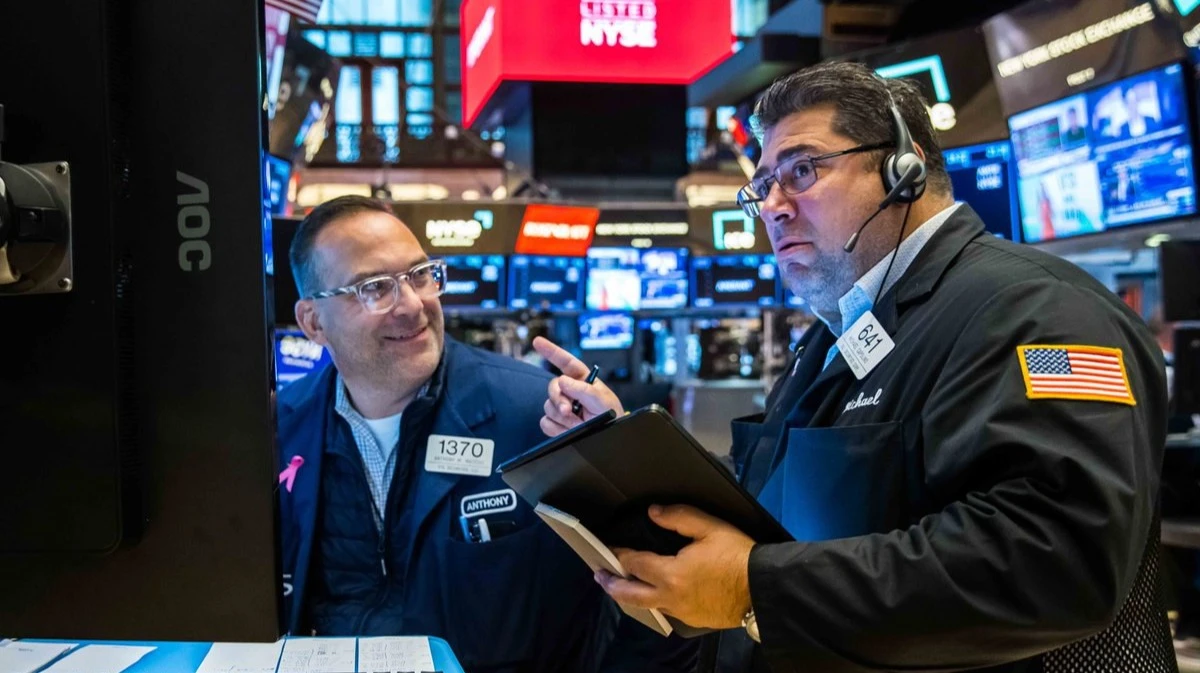
Photo: X / NYSE
U.S. stocks rose on "Black Friday" — following Wednesday's sell-off, which pushed the Nasdaq 100 technology index to the brink of a "bear market." Investors have regained interest in risky assets, according to Bloomberg.
The broad U.S. stock index, the S&P 500, rose about 1% in the first minutes of trading; the tech-heavy Nasdaq Composite and the narrower Nasdaq 100 each rose about 1.3%; and the blue-chip index rose 0.9%.
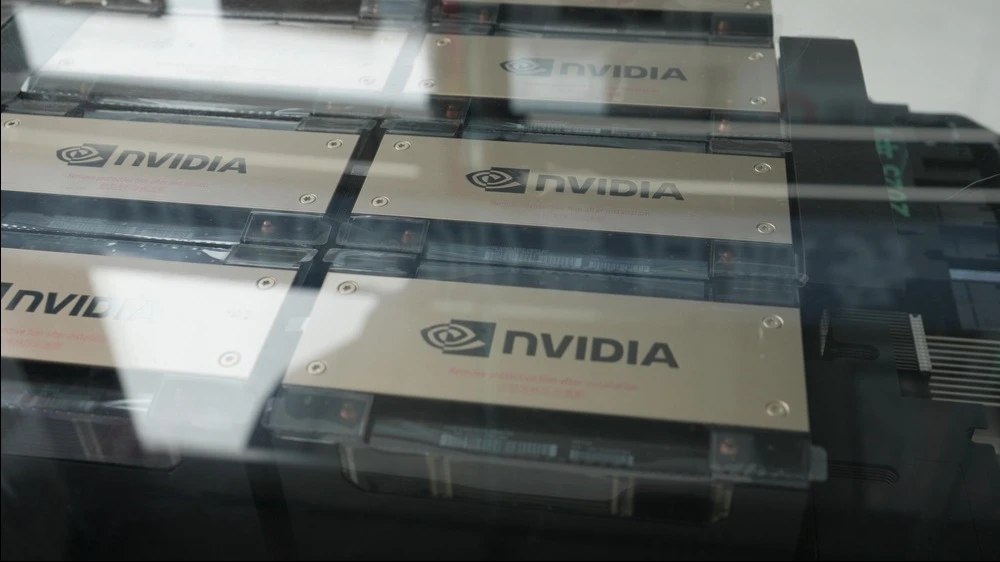
The rebound was driven, among other factors, by shares of technology companies. For example, each of the “Magnificent Seven” stocks (Apple, Microsoft, Nvidia, Alphabet (Google), Amazon, Meta Platforms, and Tesla) gained 2% during trading on November 27. Shares of chipmaker Broadcom and AI developer Anthropic—which went public last week—also showed similar gains.
“After a tough month, investors seem ready to buy the dip,” commented Kathleen Brooks, director of research at XTB (as quoted by Bloomberg). However, “while technical indicators point to the possibility of a recovery, fundamental problems related to market participants’ bets on AI remain,” she added.
What's going on?
Investors have become skeptical about the return on the hundreds of billions of dollars that Big Tech companies have invested in AI development. There are also growing concerns in the market about potential political and regulatory pushback against the AI trend: following the U.S. midterm elections, Democrats secured a majority in Congress, and many of them advocate for restrictions on the construction of AI data centers.
“If the changes in the composition of the U.S. Congress in January do indeed lead to stricter regulations on the construction of data centers and the cancellation of certain projects, this will slow economic activity and have an effect similar to an interest rate hike,” — wrote Charles Campbell, a trading specialist at Roth Capital Partners, in a note.
In addition, market participants are keeping a close eye on how monetary policy in the U.S. will evolve. “It basically all comes down to what the Fed does,” said Warren Pace, co-founder of the research firm 3Fourteen Research. Following this week’s release of U.S. inflation data (which in October hit a three-year high for the second time since the start of 2026), traders are pricing in a nearly 100 percent probability that the Fed will raise rates at its next meeting in December, as well as a repeat of that move in January.
The regulator’s decisions are a “medium-term” factor for the markets, Pace added during a CNBC broadcast. “Many” of those his firm spoke with expressed concerns about a “repeat of the 2018 situation,” when the U.S. central bank raised rates four times, he explained: “I think there are so many alarming similarities here, which is why we’re keeping a close eye on this.”
This article is being updated
This article was AI-translated and verified by a human editor