Musk estimated SpaceX's potential value at $128 quintillion. What would it take to reach that figure?
The businessman believes the company can reach that valuation if it can settle humanity on different planets and harness some of the sun's energy

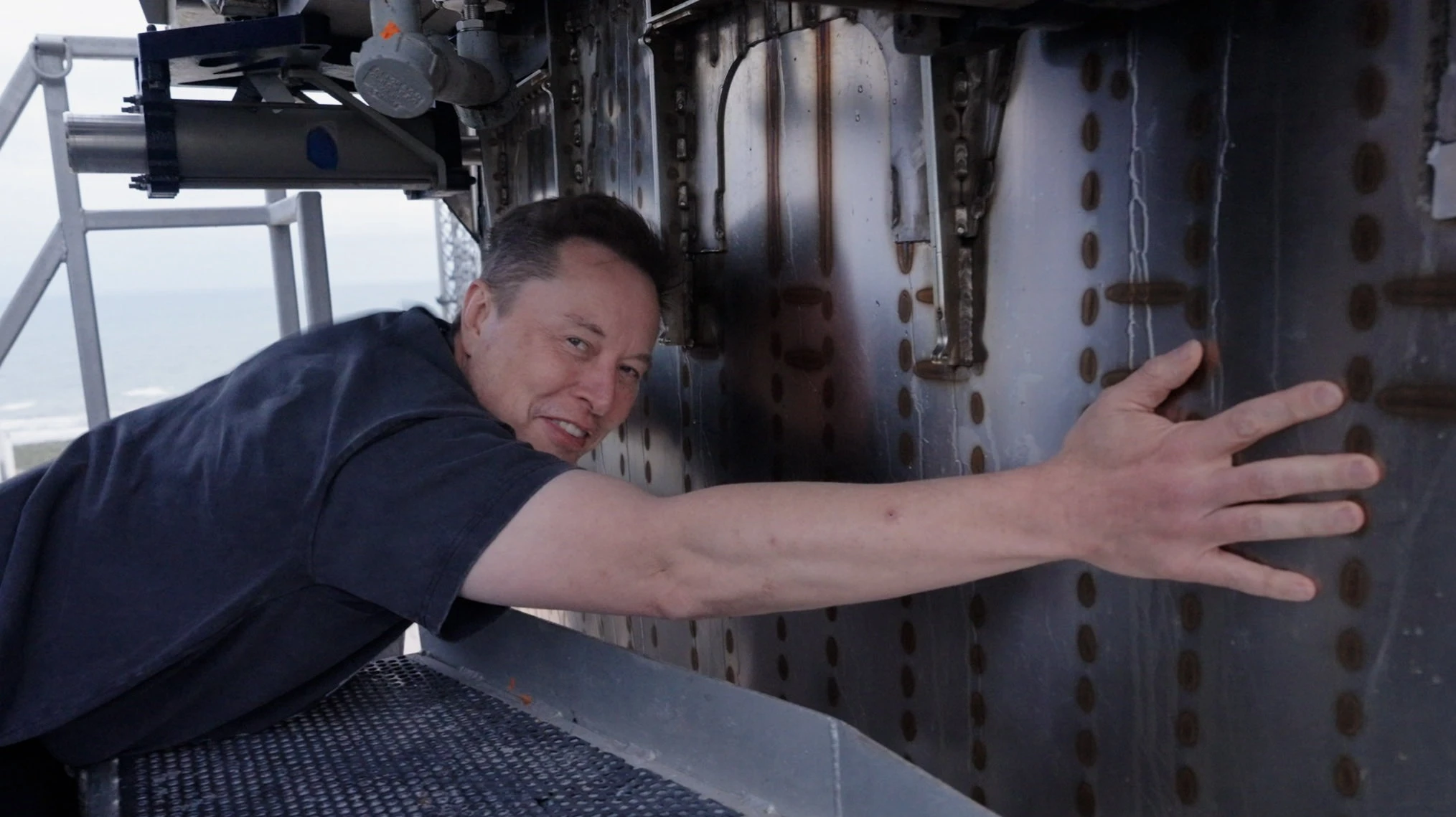
Musk estimated SpaceX's potential value at $128 quintillion / Photo: X / elonmusk
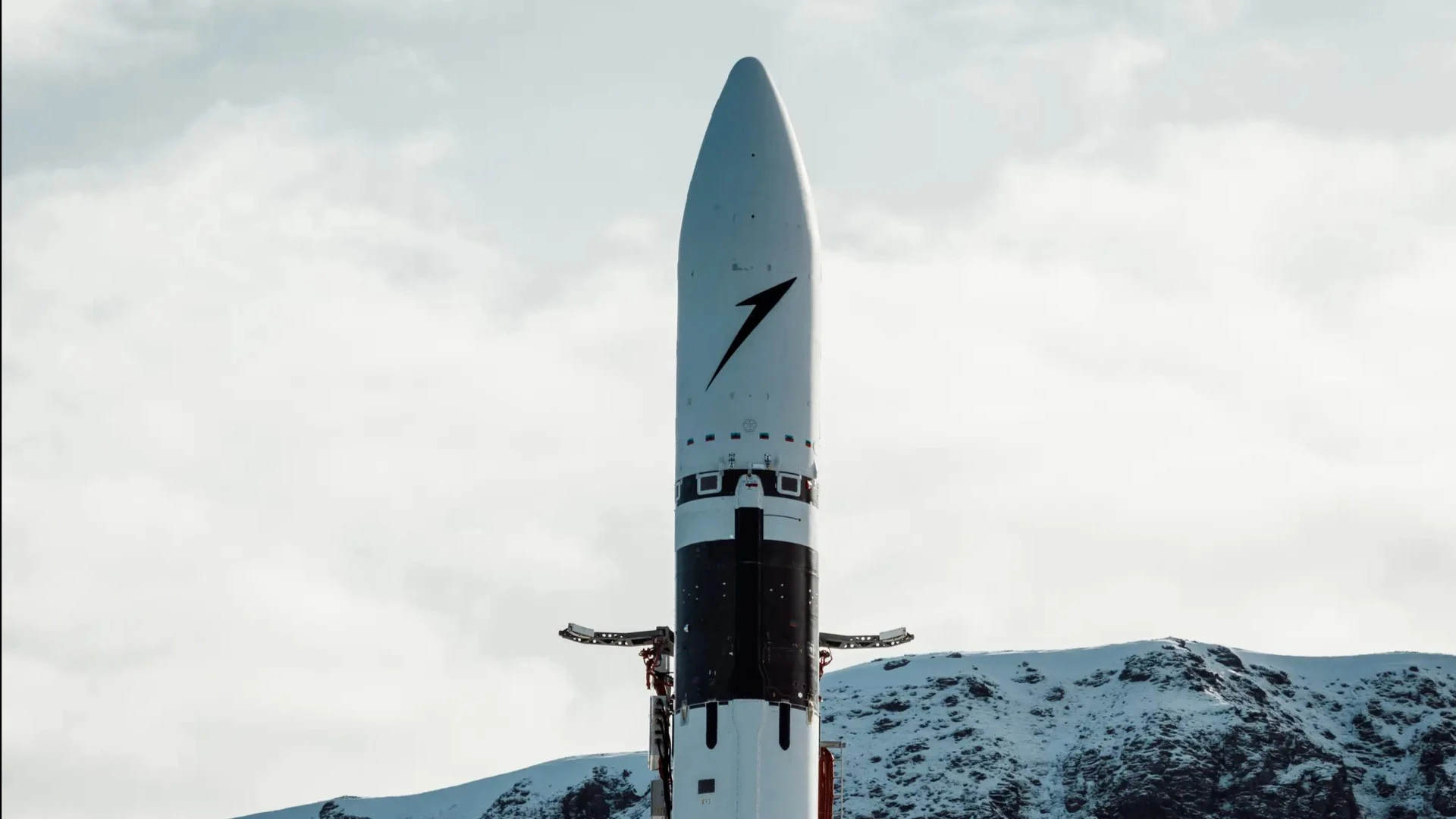
SpaceX will be worth “a million times more than the current global economy,” Elon Musk wrote on the social media platform X. According to Business Insider’s calculations, in that case, the company’s market capitalization would have to reach $128 quintillion—that’s 128 followed by 18 zeros, or 128 billion billion. To reach that valuation, SpaceX would have to increase in value by a factor of 75 million.
Details
“If SpaceX succeeds in making life multiplanetary and harnessing even one-millionth of the Sun’s energy, the company will be worth roughly a million times more than the current global economy,” Musk predicted. According to IMF estimates, the global economy is worth about $128 trillion. Thus, based on Musk’s post, SpaceX’s potential value could be about $128 quintillion.
"These are obviously absurdly ambitious goals, but there is a path to achieving them," Musk wrote, adding, "I recommend holding onto your shares."
At the close of trading on Wednesday, November 25, the rocket giant’s market capitalization stood at $1.7 trillion, representing an increase in its stock price of approximately 75 million times. Under this scenario, and without dilution, a single share of the company—which currently trades at around $127—could be valued at approximately $9.5 billion, according to Business Insider’s calculations.
Last quarter, SpaceX's revenue increased by 161% year-over-year, reaching $14.6 billion. In October, Musk said that reaching $1 trillion in revenue by the end of 2028 “no longer seems impossible.” If revenue reaches that mark and then skyrockets another thousand times to $1 quadrillion, it would still be less than 1% of the cited estimate of $128 quintillions, Business Insider noted.
How SpaceX Is Increasing Its Market Capitalization
SpaceX and Tesla have made progress toward a record-breaking merger, Bloomberg sources reported in mid-November. According to their information, Elon Musk’s two companies could announce the deal as early as December. Last week, sources told the Financial Times that the space giant and the automaker had formed two committees to negotiate the deal. The combined market capitalization of SpaceX and Tesla stands at $3.36 trillion, according to Yahoo Finance data as of November 27.
The merger will dilute the profits attributable to SpaceX investors, and Tesla shareholders are unlikely to see the stock price growth they are counting on, according to Barron’s. Musk, meanwhile, will consolidate his near-absolute control over both companies, the publication notes. However, these concerns are unlikely to derail the deal, it notes. Both companies have attracted investors who admire the CEO and will most likely support his vision for the combined company. “It will most likely happen. The only questions are the timing and SpaceX’s stock price,” said RBC analyst Tom Narayan.
Barron's points out that the merged company would become a vertically integrated AI giant controlling every link in the chain: from semiconductors and power generation to computing, as well as digital and physical AI applications. In addition, it would have an orbital communications network connecting all of these elements.
At the same time, chips could be the real driving force behind the deal: they’re needed everywhere, from data centers to the control of humanoid robots, the publication writes. At $30,000 per chip, robots become “exorbitantly expensive,” but Musk believes the costs can be reduced tenfold, says Narayan of RBC. This is where Terafab, a joint venture between SpaceX and Tesla to manufacture semiconductors, comes in. It is expected to produce chips at a much lower cost and allow both companies to keep AI costs down, according to Barron’s.
The value of SpaceX shares is a key factor in the deal. Most analysts and investors believe that SpaceX will be the buyer and will pay a premium for Tesla in an all-stock transaction, according to the publication.
This creates a huge valuation gap. Tesla shares are trading at a multiple of about 190 times expected earnings for 2027, while SpaceX shares are trading at a multiple of 32. Suppose SpaceX offers $420 per share, writes Barron’s. That is the intrinsic value of Tesla’s stock according to Narayan’s valuation, and the premium would be a modest 10%, the publication notes. In that case, roughly three shares of the space company would have to be exchanged for each share of the automaker. Tesla shareholders would receive about half of the combined entity, even though Tesla would account for only 15% of its profits. The potential dilution for SpaceX shareholders is significant, Barron’s warns.
Gary Black, co-founder of One World ETF, fears that the market will react to the merger announcement in the same way it did with Marvell and Lumentum: Investors didn’t see the logic in that deal; Lumentum’s stock price fell nearly 19%, while Marvell’s stock price dropped nearly 13%.
A higher SpaceX stock price would help facilitate the deal, and this could mean that it will be postponed until SpaceX is included in the S&P 500, Barron's suggests. Purchases by passive funds—or the anticipation of such purchases—can drive up the price of any stock. Tesla’s stock jumped by about 60% in the five weeks between the announcement of its inclusion in the index and its actual addition in December 2020.
This article was AI-translated and verified by a human editor