'Revaluation is going to be tough': Wall Street veteran warns of oil market error

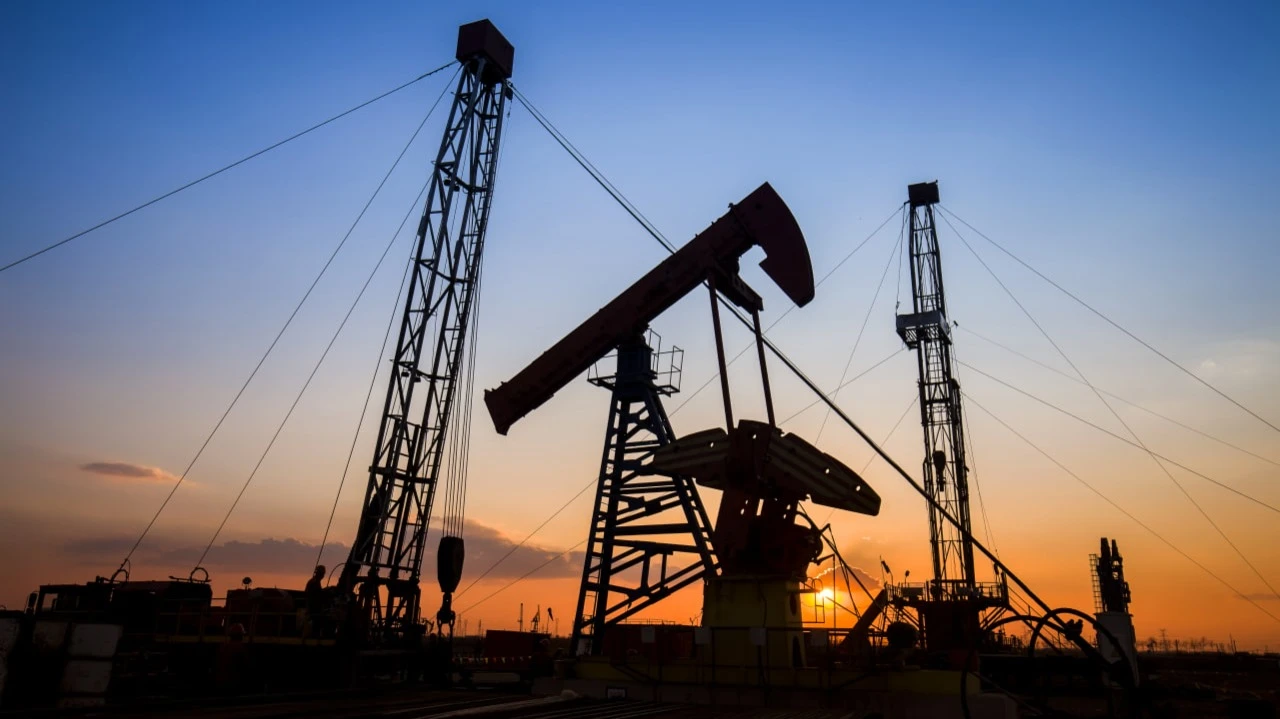
Photo: zhengzaishuru / Shutterstock.com
The market is in vain ignoring the alarming signal that oil is sending, says former Fidelity portfolio manager George Noble. In his opinion, the war with Iran has exposed a dangerous gap between the physical and "paper" market.
"The physical market is laying down a war in prices. "The 'paper' market is laying down a peace deal," Noble wrote on social network X. - One of them is wrong."
The financier argues that the physical oil market is priced correctly because it reflects real-time supply constraints. "Paper" oil, by which he means financial instruments like futures, is determined by forecasts, expectations and market narratives that may prove to be wrong.
According to Noble, the risks of serious disruptions in global energy flows are not at all hypothetical. Due to the ongoing uncertainty surrounding shipping through the Strait of Hormuz, oil exports from the region have been virtually halted and energy infrastructure damaged. At the same time, the last tankers that left before the war had already delivered oil to the ports of destination and the real shortage started only since last week, CNBC noted.
While some commodities can be transported bypassing the Strait of Hormuz, these solutions are not applicable to oil, the financier points out. "These are two very different wars going on simultaneously: one that the global supply chain has already solved and one that it cannot," Noble wrote. - At the same time, the price of 'paper' oil is traded as if this distinction does not exist".
As the gap continues to widen and no end to the war is in sight, Noble advises investors to bet on the energy sector. "Energy stocks offer one of the best risk/reward ratios in the market right now," Noble added. - "When the 'paper' market catches up with the physical market - and 45 years of experience tells me it always does - the reassessment will be tough."
What's up with oil prices
Futures for benchmark Brent crude oil rose more than 3% to $101 per barrel on Wednesday, April 22. Despite the extension of the ceasefire between the United States and Iran, the prospects for peace talks remain dim, and the situation in the Strait of Hormuz is tense, writes Business Insider.
At the same time, the price of physical Dated Brent crude oil, a key benchmark for real trades, rose above $107 a barrel, Bloomberg notes. On April 7, it was at $144, the all-time high since 1987.
This article was AI-translated and verified by a human editor