Sales of Coca-Cola's flagship beverages hit a 17-year high thanks to the 2026 World Cup
The company's stock could close the day with its best performance since 2009

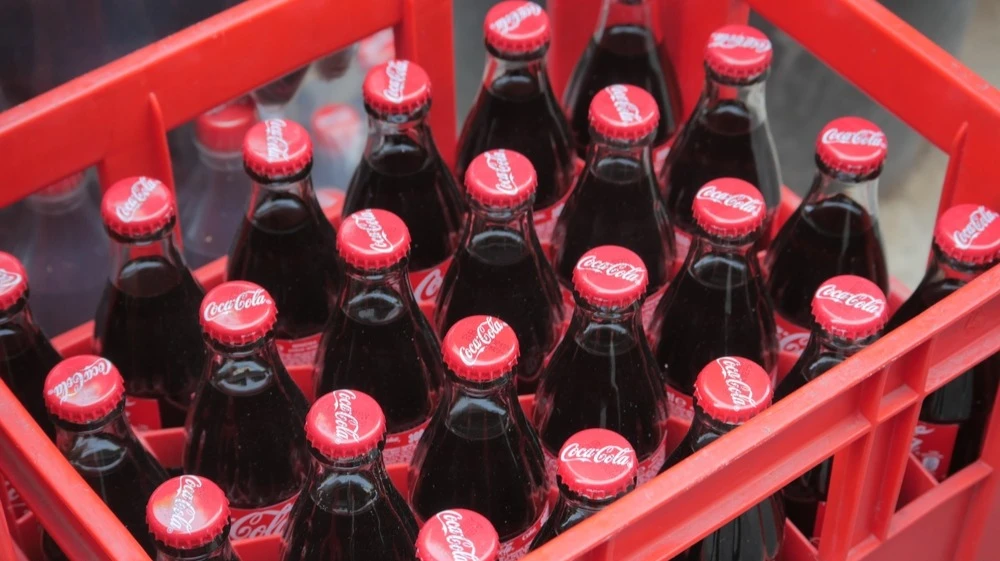
Demand for the company's diet sodas is at an all-time high / Photo: Towfiqu Ahamed Barbhuiya/Shutterstock
On July 28, Coca-Cola reported earnings and revenue for the previous quarter that exceeded Wall Street estimates, thanks to increased demand for its beverages. This was partly due to Coca-Cola’s advertising campaign during the World Cup, CEO Enrique Brown said on CNBC. The company also raised its full-year forecast.
Coca-Cola shares rose more than 6% during trading on July 28, but then slowed their gains—at the time of publication, they were up 4.5%. Yahoo Finance notes that this could be the company’s best day since February 2009.
Details
Coca-Cola's net income increased by 16.27% compared to the same period last year, to $4.43 billion, or $1.03 per share. Meanwhile, the company’s adjusted earnings per share for the second quarter were $0.97, which exceeded the expectations of Wall Street analysts surveyed by LSEG by 4.3%.
The company's revenue rose 7% year-over-year to $13.38 billion, coming in 1.67% above the projected $13.16 billion, according to CNBC. Coca-Cola’s organic revenue—which excludes the impact of mergers, acquisitions, asset sales, and currency fluctuations—jumped 6% for the quarter.
The company's sales volume in physical terms (in standard units—calculated without taking price changes into account, which allows for a more accurate assessment of actual consumer demand) grew by 5% worldwide, with increases recorded across all segments.
Coca-Cola now expects full-year comparable earnings per share to grow by 9–10%, up from its previous guidance of 8–9%. The company also expects organic revenue to increase by approximately 5% in 2026, which is in line with the upper end of its previous forecast (4–5%).
Growth Drivers
Coca-Cola CEO Enrique Brown described the current consumer environment as “dynamic.” Due to the conflict between the U.S. and Iran, global oil prices have fluctuated significantly, forcing some consumers to cut back on everyday expenses. In Coca-Cola’s home market of the United States, the average price of gasoline jumped to a four-year high of $4.56 per gallon at the end of May. “We are paying very close attention to raw material costs, and the conflict in the Middle East this year… has had a fairly significant impact on fuel prices,” the company’s CFO, John Murphy, noted in an interview with Yahoo Finance. This has also affected aluminum prices, “which are quite significant factors determining costs for our bottling partners,” he added.
However, Coca-Cola's financial results do not reflect consumers' tight spending: even in North America, quarterly sales rose by 3%, according to CNBC.
The brand’s global campaign for the World Cup was the key driver of demand. The company notes that it is the marketing efforts during the tournament that are responsible for the surge in sales of its two key beverages in the past quarter—the flagship Coca-Cola (up 5% year-over-year— the largest quarterly increase in the past 17 years, excluding the pandemic period) and the sports drink Powerade (up 8%).
Overall, Coca-Cola’s segments—which include the production and sale of water, sports drinks, and tea—saw a 6% year-over-year increase in sales volume, posting the company’s best results in the second quarter. The only beverage whose sales volume did not grow was coffee.
The carbonated soft drinks segment posted 4% year-over-year growth during the reporting period. Sales of Coca-Cola Zero Sugar soared by 16%, while Diet Coke (known as Coca-Cola Light in some markets) rose by 7%. “These diet drinks are having their moment in the spotlight,” Murphy said.
The Juices, Dairy, and Plant-Based Beverages division ended the quarter with more modest sales growth—at 2%.
What about the stocks?
Since the beginning of the year, the company’s stock has risen by more than 25%. Of the 27 analysts tracking Coca-Cola stock, the overwhelming majority (20) recommend buying the company’s shares. Another six analysts advise holding positions, and only one recommends reducing their share in the portfolio (Underweight rating).
This article was AI-translated and verified by a human editor