Mid-cap biotech Dyne becomes collateral damage of another Novartis pipeline setback

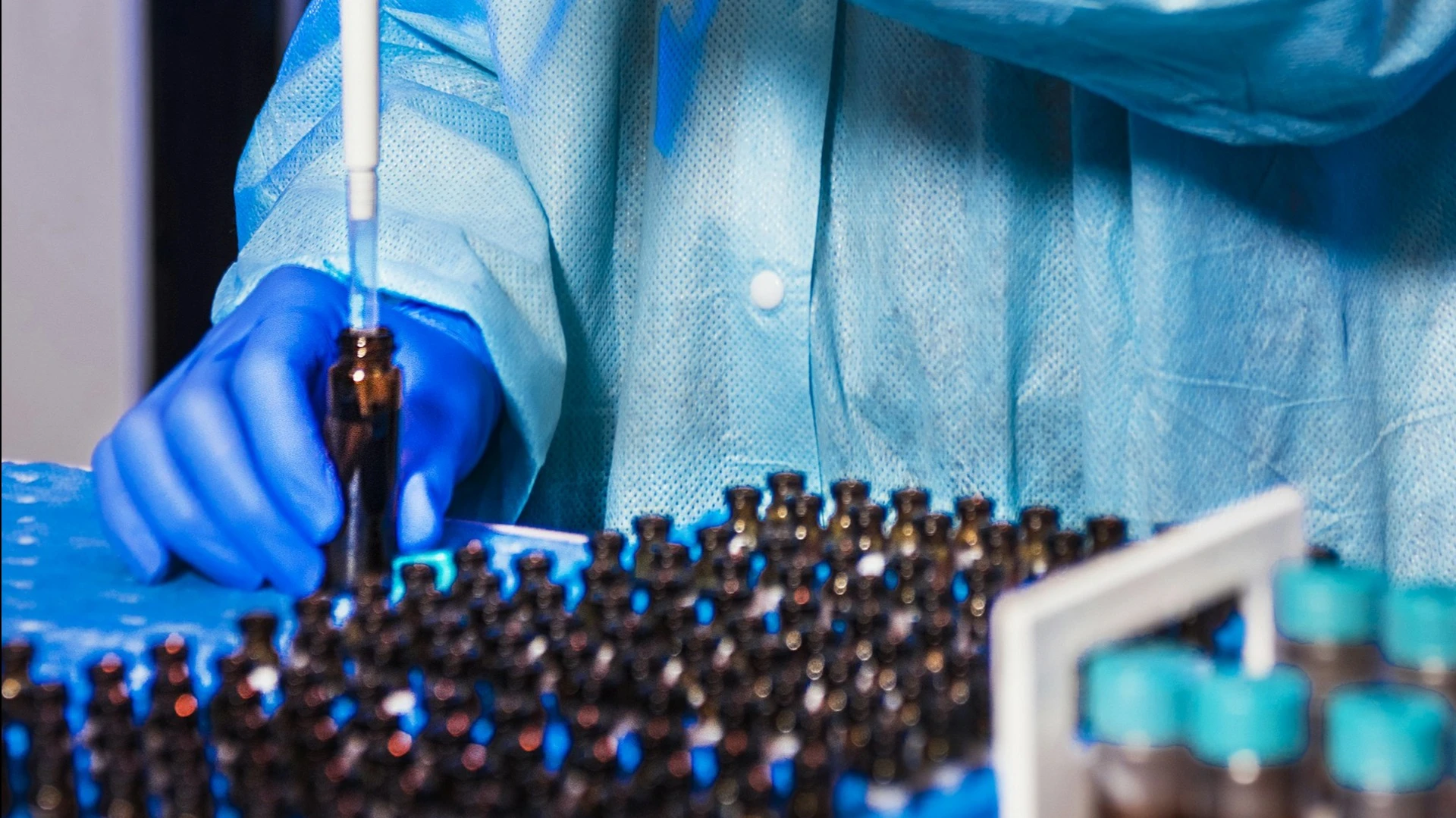
The latest Novartis trial miss triggered a broader selloff in biopharma stocks / Photo: Unsplash / CDC
Shares of mid-cap biotech Dyne Therapeutics plunged more than 16% on the Nasdaq on Tuesday. The drop came after pharma giant Novartis reported a trial failure for its experimental muscle-wasting disease drug. Dyne’s treatment for the same disease is based on similar technology, and the Novartis failure has prompted markets to question that approach.
Details
Dyne fell more than 16% on the Nasdaq on Tuesday to $20.30 per share, its lowest close since late June. Trading volume was 7.7 times the daily average, based on Yahoo Finance data. The stock is down another 3% in premarket trading on Wednesday as of this writing.
The sharp market reaction followed an announcement from Swiss pharma giant Novartis that its experimental del-desiran treatment for myotonic dystrophy type 1 performed no better than placebo in a late-stage trial. The inherited disease causes both difficulty relaxing certain muscles and weakness in others. The setback sent the drugmaker’s shares tumbling.
Like Novartis, Dyne is developing a treatment for the same type of myotonic dystrophy. Both drugs target toxic RNA produced by the DMPK gene, whose mutation causes the disease, with the aim of suppressing it. Dyne’s treatment is currently in a phase III trial, while a phase I/II trial is underway in a broader group of patients.
Against this backdrop, Dyne issued a press release on Tuesday announcing that it would present additional trial data in late September and early October. The company promised to disclose results for the endpoint on which Novartis failed to demonstrate efficacy.
Wall Street has not yet curbed its enthusiasm for Dyne. All 16 analysts covering the stock recommend "buy" at an average target price of $39.90 per share, implying 96.5% upside from the last close.
Other collateral damage
Novartis’ setback weighed on other pharma companies on Tuesday, as well. Sarepta Therapeutics, which is developing its own RNA-based treatment for myotonic dystrophy, fell almost 7%. Investors are questioning the technology of targeting toxic RNA itself, writes financial media Proactive.
Shares of biopharma giant Amgen slid 10% on Tuesday. That marked their worst day in more than two decades, since October 2000, the Wall Street Journal reported. The reason was another Novartis failure. On Friday, September 4, the company reported that its RNA-based cardiovascular treatment pelacarsen had also failed to outperform placebo. Amgen is using similar technology to develop its experimental olpasiran treatment.
Shares of Ionis Pharmaceuticals, which discovered pelacarsen and later licensed the rights to Novartis, fell 2.7%.