Saudi Arabia has shut down a key oil pipeline. It served as a bypass route for the Strait of Hormuz.
The pipeline was attacked the day before


Photo: fotokaleinar / Shutterstock
In response to the attacks, the Saudi Arabian Ministry of Energy shut down the country’s most important oil pipeline—the “East-West” pipeline, also known as Petroline—as a precautionary measure. This 1,200-kilometer pipeline runs across the entire Arabian Peninsula through Saudi Arabian territory—from the Abqaiq oil field to Yanbu on the Red Sea. During the war in the Middle East, it served as a bypass route for oil shipments from the kingdom when tanker passage through the Strait of Hormuz became difficult, according to Bloomberg and CNBC.
According to the Saudi ministry, operations on the oil pipeline had been suspended the day before, on Thursday. On the same day, CNN, citing two unnamed U.S. officials, reported that Petroline had been struck by an unidentified projectile. The Ministry of Energy confirmed the incident: several people were injured as a result of the attacks, the ministry said in X. Emergency crews are now on site; they are taking measures to ensure the pipeline’s safety and assessing its condition.
CNN reported yesterday that, following the attacks, fires broke out at two pumping stations located near the pipeline. This information was also corroborated by satellite images of the scene. One of the channel’s sources also noted that the pipeline itself had been attacked by drones. It remains unclear how long it will take to repair the damage and who exactly is responsible for the attacks, CNN noted.
The attack on Petroline came a few days after the Iran-backed Yemeni Houthis, who are fighting against the Yemeni central government, seized the strategically important port city of Mocha on the Red Sea. In addition, the strikes on Saudi Arabia could have been carried out by Iraqi militia groups allied with Iran, suggested Behnam Ben Taleblu, senior director of the Iran program at the Foundation for Defense of Democracies (FDD), according to CNN. Iraqi militias have previously used drones to launch attacks against Saudi Arabia, and they may have done so again—as part of Tehran’s broader strategy to use its allies to force Arab countries to reject the presence of U.S. troops in the region.
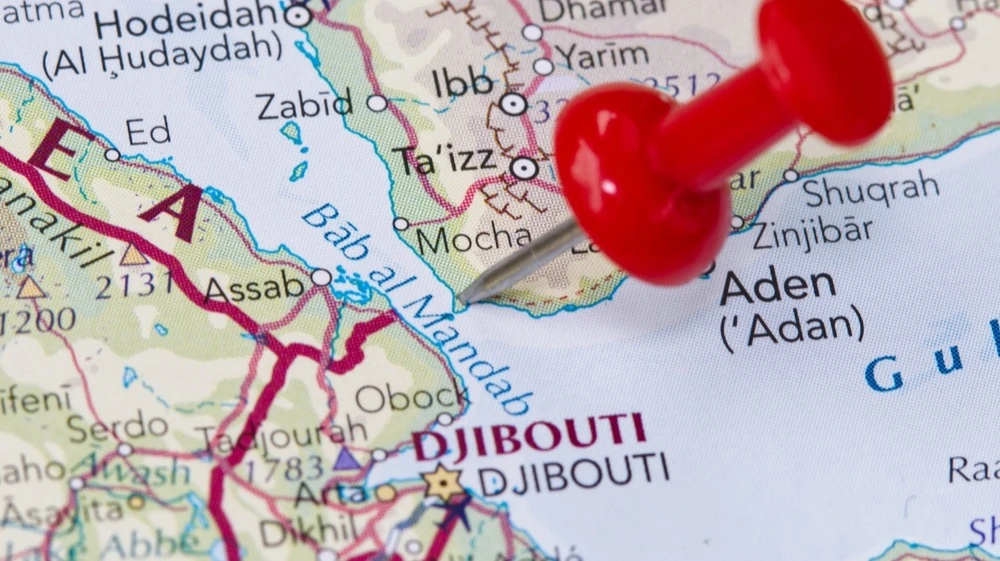
Brent crude oil prices, amid the escalating conflict in the Middle East — including the resumption of mutual strikes by the U.S. and Iran against each other’s forces and tankers in the Strait of Hormuz — surged this week to over $109 per barrel, but on September 11, the rise slowed after the Financial Times reported that foreign ministers from Middle Eastern countries were trying to reach a temporary agreement with Iran on regulating shipping through the Strait of Hormuz. At the time of publication, November Brent contracts are trading around $105 per barrel, which nonetheless represents an increase of about 8% for the week, according to Reuters.
This article was AI-translated and verified by a human editor