The "AI-Nostradamus" Fund has changed its approach to risk and stepped up its buying. Where is it investing?
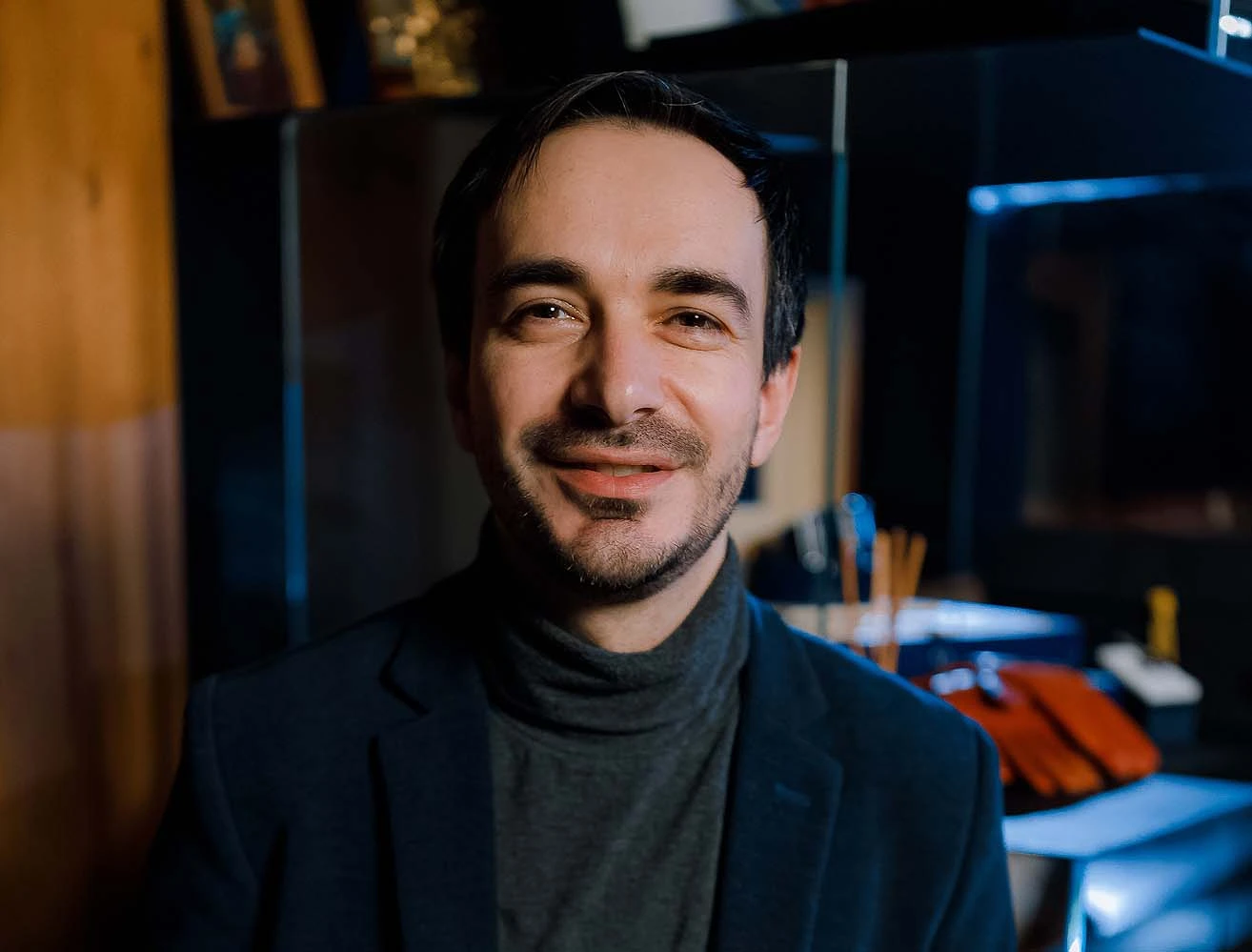

Leopold Aschenbrenner bought stock options for AMD, Intel, Bloom Energy, and CoreWeave, according to CNBC and the FT / Photo: Leopold Aschenbrenner’s blog, Forourposterity.com
Investor and AI researcher Leopold Aschenbrenner, whose hedge fund was on the brink of collapse this summer, is once again actively trading in the financial markets—this time through options, according to CNBC. His fund, Situational Awareness, bought options on shares of Advanced Micro Devices, Bloom Energy, and CoreWeave, according to sources cited by CNBC host David Feiber.
According to the TV channel’s sources, the trades took place late last week and early this week. The fund was also active in options on SK Hynix and SanDisk. In addition, Situational Awareness purchased options on the Roundhill Memory ETF, which holds exposure to memory manufacturers' stocks.

The Financial Times reports that Situational Awareness has begun reestablishing ties with Wall Street and has started working with Clear Street, a brokerage firm specializing in the technology sector. In terms of scale, it is significantly smaller than Goldman Sachs, JPMorgan, and Citigroup, with which the fund previously collaborated, the newspaper notes. According to the FT, the fund’s new positions also include Intel, and in recent days, Aschenbrenner has been building large positions through FLEX options—contracts whose terms, including expiration dates and other parameters, can be customized.
Aschenbrenner’s fund became active in the public markets after its hedge fund’s assets shrank from approximately more than $45 billion in early July to $10 billion following the tech sector’s collapse in July. Aschenbrenner was let down by leveraged trading when buying shares of AI-related companies: when their prices fell, the investor was forced to sell a significant portion of the publicly traded positions in Ken Griffin’s Citadel fund to settle with creditors. However, the hedge fund retained stakes in private companies, including Anthropic. Afterward, Aschenbrenner vowed never to use leverage again. Prior to the July sell-off, Aschenbrenner was known in the market as the “AI Nostradamus,” as his fund—by betting on AI-related companies—had generated a return of over 270% in the first five months of 2026.
It remains unclear whether Aschenbrenner raised new capital to purchase the options or used assets remaining in the fund following the July sell-off and the deal with Citadel, according to CNBC. The network does not report on any other transactions by Situational Awareness besides the options trades.
The fund’s approach to risk has changed, according to the FT. When purchasing such options, the maximum direct loss is limited to the premium already paid. However, the contracts themselves still provide the fund with financial leverage: a relatively small premium allows for significantly greater exposure to stock price movements. FT sources among prime brokers say that Aschenbrenner intends to use significantly less borrowed capital than he did before the July sell-off.

Buying options is not a new strategy for Situational Awareness. As early as the first quarter of 2026, the fund held put options worth more than $2 billion on the VanEck Semiconductor ETF, more than $1.5 billion on Nvidia, and over $1 billion on Broadcom and Oracle. At the same time, Aschenbrenner was making bullish bets via call options on CoreWeave and other AI infrastructure companies, Business Insider reported.
This article was AI-translated and verified by a human editor