Sell oil, buy bonds: BofA announces trading strategy for the time of war

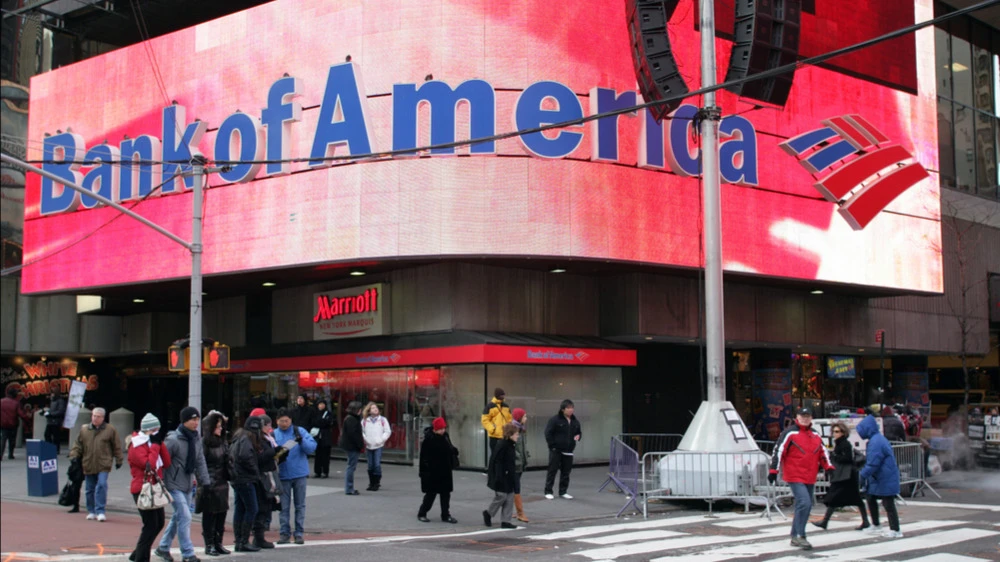
BofA doesn't believe in a long war with Iran as Trump can't afford high oil prices due to political risks / Photo: Northfoto / Shutterstock.com
Strategist Michael Hartnett of Bank of America suggests investors sell oil at prices above $90, weaken bets on the U.S. currency if the dollar index rises above 100, and buy long-term U.S. government bonds if yields reach 5%. On Friday, oil has already crossed the $90 per barrel mark and the dollar index has come close to the 100 level.
Investors' risk appetite is likely to recover in March if the conflict with Iran can be contained, Hartnett believes. In his weekly research note, cited by MarketWatch, the strategist explains why he believes a de-escalation of the war is likely in the near term. President Donald Trump's approval ratings on the economy and inflation are holding steady at 40% and 36%, respectively, so, according to the analyst's logic, the White House is not interested in a prolonged spike in oil prices, which has already driven gasoline prices up 15%.
On Friday, March 6, the White House announced that it is expected to take four to six weeks to achieve U.S. objectives in the operation against Iran.
What else did the strategist warn you about
- If investor risk appetite reaches a low in March even if the war ends quickly, demand for assets that Hartnett cites as beneficiaries of the inflationary boom could rebound. These include commodities and international equities.
- The recovery of markets after the war could be long and difficult unless market participants adopt a more pessimistic stance and central banks rush to implement anti-crisis policies, BofA said.
- The analyst highlighted a number of conditions that must be in place for a stock market rally to begin. In particular, it is necessary that oversold assets - such as shares of companies from the software sector - show a significant recovery after the soft apocalypse. And the overbought ones - gold, other metals, semiconductor stocks - should correct.
- The fact that the dollar index is climbing back toward the 100 mark convinces Hartnett that the likelihood of a Fed rate cut is diminishing. The U.S. Treasury yield curve has flattened in recent weeks and is starting to put a lack of Fed policy easing into prices before the end of the year, MarketWatch notes.
- A signal to traders that the market has gotten rid of excessive bullish positions could be a drop in the S&P 500 index below 6,600 points, Hartnett said. That's down 2% from its March 6 closing level.
- At the same time, he called one factor in the markets encouraging: there are signs that the peak of capital expenditures on the development of artificial intelligence infrastructure may have already passed. According to the strategist, this is indicated by the situation around Nvidia, which said it does not plan further investments in AI startups OpenAI and Anthropic.
Hartnett emphasized that his recommendations depend on whether the conflict remains limited and short-term. If the situation escalates and the war spreads to the entire region, pushing the price of oil above $100, markets could face an oil shock, the analyst warned.
This article was AI-translated and verified by a human editor