The Global Economy Is "Balancing on One Leg": IMF Warns of the Risks of Dependence on AI
Kristalina Georgieva expressed concern over the rapid growth of circular financing in the AI sector


Photo: Alexandros Michailidis / Shutterstock
"The global economy is 'standing on one leg—the leg of artificial intelligence,'" said Kristalina Georgieva, Managing Director of the International Monetary Fund (IMF), Kristalina Georgieva, in an interview with CNBC on the sidelines of the Association of Southeast Asian Nations (ASEAN) summit in the Philippines. “If that leg wobbles, it could lead to financial stability issues,” she warned.
According to IMF estimates, the volume of circular financing among AI companies—a scheme in which invested funds are returned to the investor through purchase orders—has exceeded $1 trillion, with about two-thirds of that amount coming from borrowed funds. “This isn’t a huge amount yet, but it’s growing rapidly,” Georgieva noted. According to her, a sudden decline in investor confidence and their withdrawal from the AI sector could weaken economic growth worldwide.
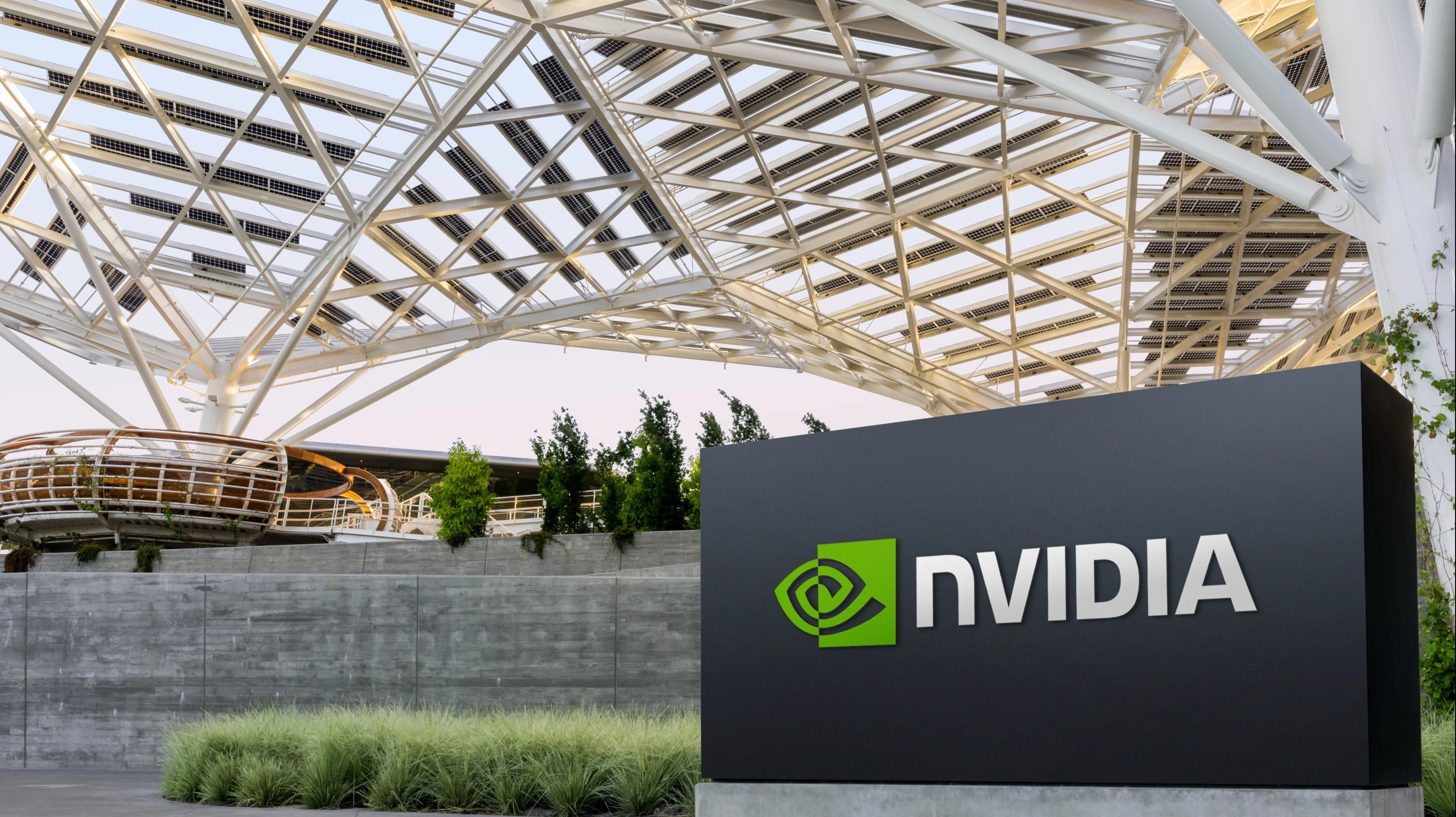
At the center of these circular trades is Nvidia, whose market capitalization has fallen by more than $1 trillion over the past month. The scandal surrounding the extramarital affairs of the company’s former CEO, Jensen Huang, including one with a woman suspected of spying for China, has triggered a sell-off of AI stocks worldwide and drawn attention to Nvidia’s role as one of the main sources of funding for AI infrastructure. According to UBS analyst Tim Arcuri, if Nvidia cuts off funding, $50 billion or more could leave the AI industry—at a time when rising interest rates have already made borrowing more expensive for companies, CNBC reports.
Context
Georgieva’s warning came at a time when the development of AI infrastructure remains a key driver of the global economy, supporting trade and investment. In October, the IMF raised its forecast for global GDP growth in 2026 to 3.1%, as major economies are betting on AI investments, thereby offsetting the slowdown caused by the energy crisis triggered by the war in the Middle East.
Georgieva believes that the investor frenzy surrounding AI reflects expectations that outpace what the technology has already proven in practice: as valuations rise, “we tend to get ahead of ourselves,” so “some corrections” are necessary. In October, the IMF warned that short-term disappointment could trigger a disorderly correction across various asset classes. In the worst-case scenario, if AI fails to meet market expectations, U.S. stocks could fall by 20% in 2026, and global GDP could end up 1.1% below the baseline forecast by 2028. In its October Global Financial Stability Report, the IMF had already identified a correction in the AI-related asset market as one of three significant risks to the global financial system.
Over the past few weeks, stocks around the world—including those of U.S. chipmakers—have been experiencing a sharp sell-off. This week, investor interest in AI will face another test: Nvidia will release its quarterly earnings report, and Anthropic will hold a major IPO. Georgieva described the recent market volatility as “orderly” and deemed it unlikely that it would escalate into a threat to the global economy, but she urged caution: “We must remain vigilant,” she added.

This article was AI-translated and verified by a human editor