‘A very uncomfortable situation’: What Wall St is saying about the chip stock rout
Rising interest rates and concerns about returns on AI investment are fueling a global selloff in tech stocks

The selloff is the clearest sign yet of a shift in sentiment toward the AI sector / Photo: Shutterstock.com
Investors worldwide continued selling chipmaker stocks on Tuesday. The selloff, triggered by mounting concerns about returns on AI spending, intensified amid fears of growing competition from China, an IMF warning about the global risks of a correction, and comparisons of the market to a casino. What are analysts saying?
What is going on in the market
Shares of chipmakers Micron Technology and SanDisk are off more than 5% in New York trading on Tuesday as of this writing. The Philadelphia Semiconductor Index dropped more than 2%, extending its losing streak to six trading sessions. It has lost more than 3% since the beginning of October.
European semiconductor and chipmaking equipment stocks also fell sharply. ASML dropped more than 4%, STMicroelectronics lost 3.8%, and BE Semiconductor Industries declined 1.8%. South Korea’s semiconductor-heavy KOSPI index slid more than 5%. Shares of the sector’s two largest companies, Samsung Electronics and SK Hynix, plunged 7% and 10%, respectively, in Seoul. In Tokyo, memory chipmaker Kioxia tumbled 13%.
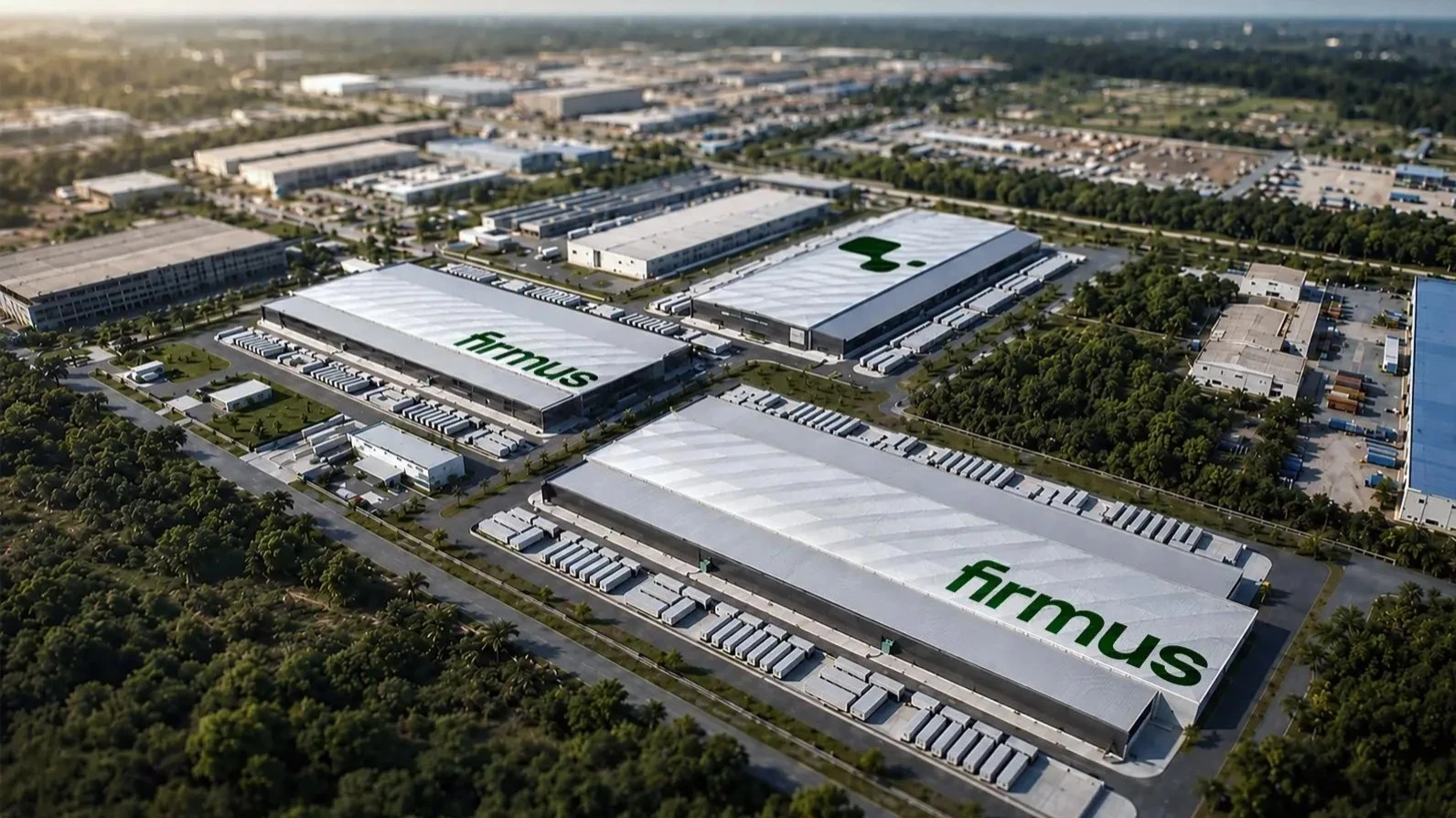
Investor caution is also evident in the IPO market. Late last week, Nvidia-backed Australian data center operator Firmus canceled its $5.5 billion IPO as investor interest waned.
Still, it is too early to declare the AI boom over, Reuters notes. Meta shares gained 3.8% on Monday following the release of a new AI model.
What Wall Street is saying
The Tuesday selloff is the clearest sign yet of a shift in sentiment toward the AI sector, which has been viewed as the investment theme of the decade since ChatGPT launched four years ago, Reuters writes. Investors are increasingly concerned that rising bond yields and interest rates could slow the boom in investment in computing infrastructure, Reuters notes.
The key development has been greater bond volatility, which is starting to affect asset pricing across the market, argues Damien Boey, portfolio strategist at Wilson Asset Management. “It's a very uncomfortable situation on many fronts... Maybe AI capex just comes off the boil a little bit, and maybe a few players are casualties in that,” he said.

“Investors are increasingly worried that cracks are starting to show in the AI trade,” Dan Coatsworth, head of markets at AJ Bell, told Morningstar. Concerns are growing that companies are investing enormous sums in AI without a clear idea of when, or how much, those investments will pay off, he added.
High bond yields and expectations for multiple interest rate hikes over the next 12 months also create a challenging backdrop for growth stocks, which account for much of the AI sector. That is because these conditions reduce the present value of future cash flows, Coatsworth explained.
“A lot of tech valuation is about the jam tomorrow, rather than the jam today,” he said, paraphrasing a metaphor from Lewis Carroll’s "Through the Looking-Glass."

“I suspect we're entering the next phase of the AI cycle, where markets increasingly focus on monetization and returns on invested capital – I wouldn't call this the end of the AI trade,” Marc Velan, head of investments at Lucerne Asset Management, told Reuters. In his view, the “brutal session” in South Korea says more about investor positioning and the cost of capital than about any fundamental deterioration in AI demand. However, the Korean market’s decline could be an early warning of a broader shakeout, he noted.
Korean stocks came under further pressure following reports that Chinese company CXMT had made significant progress in developing a new memory architecture that could rival technologies currently under development at leading memory chipmakers. That disrupted investors’ expectations about development timelines and intensified fears that lower-cost Chinese technologies could reach the market sooner and weaken industry leaders’ positions, Morningstar equity analyst Jing Jie Yu noted.
“If the company can commercialize this technology ahead of its peers, it speaks volumes to China’s DRAM technological competitiveness and raises risks of oversupply longer term given the country’s rapid expansion in DRAM capacity,” he reckons.
The world’s richest person, Tesla and SpaceX CEO Elon Musk, also weighed in. “When China figures out how to manufacture a product, their ability to scale is often greater than the rest of the world combined. We saw this with lithium batteries and solar, for example,” Musk wrote on X.
Context
The stock declines coincided with a change in the U.S. market outlook from the research arm of BlackRock, the world’s largest asset manager. On Monday, it downgraded U.S. equities to “neutral,” citing “potential volatility around the AI buildout.”

On Tuesday, the International Monetary Fund identified a plunge in AI-related stocks as one of three significant risks to the global financial system in its Global Financial Stability Report. “The consequences of an AI correction could be global,” the IMF warned. The other risks it identified were a sharp rise in government bond yields and a major cyberattack.
Concerns about the sector were also heightened by comments from Broadcom CEO Hock Tan, who compared AI investing to gambling on Monday. “A lot of investors have no clue what they are investing in,” Tan said at an event in Singapore. They “set very extreme expectations only to find out that it’s almost like they are in a casino.”