"The Lone Bear" saw the risk of a Nvidia stock crash if Huang were to leave
An analyst at Seaport Research described the situation as an “organized political campaign” against the head of one of the key companies in the AI sector

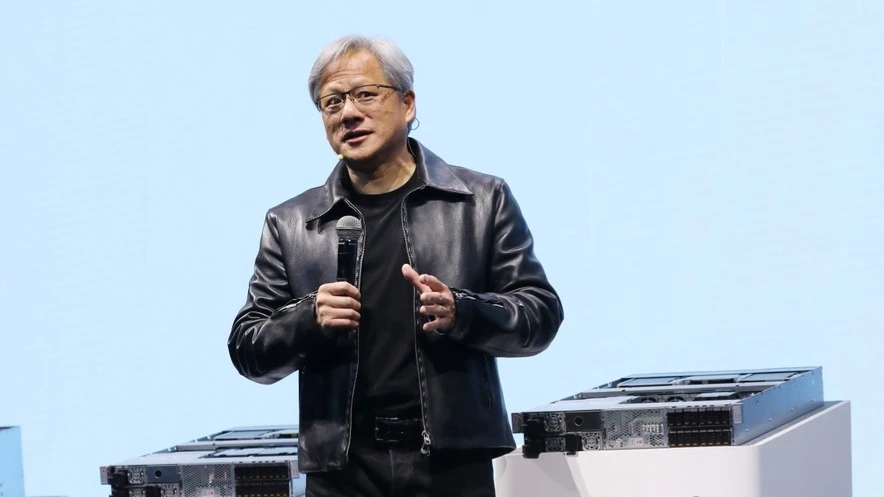
An analyst says the resignation of Nvidia's CEO "would be a mistake for everyone involved" / Photo: glen photo / Shutterstock
The resignation of Nvidia CEO Jensen Huang amid a scandal surrounding his affair with an alleged Chinese spy “would be a mistake for everyone involved,” Seaport Research analyst Jay Goldberg said in a note to clients on November 10. Goldberg is the only one of 73 Wall Street analysts who has a “sell” rating on Nvidia stock.
“If he leaves, the optimistic outlook for the company will go with him,” Bloomberg quotes the analyst as saying. “It’s practically impossible to imagine Nvidia without Jensen. If he’s removed from his position, the stock will plummet, having lost all support. I don’t know how likely that is, but it would be a devastating blow.”
According to Goldberg, the uncertainty surrounding Huang has now become “so widespread and looming” that it is extremely difficult to even determine what the stock’s true value should be. “It’s easy to imagine that the situation will get worse at first and then improve,” the analyst added.
Context
An analyst at Seaport Research described the situation as an “organized political campaign” against the head of one of the AI industry’s key companies and pointed out the timing of these allegations, according to MarketWatch.
Over the past two years, Huang has forged close ties with the Donald Trump administration, even as some U.S. officials sought to impose restrictions on the company’s business in China. As Goldberg notes, dissatisfaction in Washington over the Nvidia CEO’s closeness to the president may have grown over the past year: Huang accompanied Trump to several key events, including a meeting with Chinese President Xi Jinping. In the spring, Trump banned Nvidia from selling lightweight chips that met export requirements to China, but later reversed that decision and authorized the sale of more powerful H200 chips—on the condition that the U.S. receive a share of the profits from the deals.
The analyst noted that he does not agree with “all of Huang’s initiatives,” but does not see anyone at Nvidia who could quickly take his place. Goldberg believes that the current political climate could pave the way for Nvidia’s CEO to step down, which would be “a serious problem for the company.” The analyst pointed out that it was Huang who allowed Nvidia to take ambitious steps—in particular, to invest heavily in non-cloud providers such as CoreWeave. Such companies purchase Nvidia’s graphics processors and resell computing power to their customers. Due to Nvidia’s flat management structure, dozens of employees report directly to Huang. This speeds up decision-making but, according to Goldberg, requires his involvement “in every significant decision within the company.”
This article was AI-translated and verified by a human editor