The owner of Jean Paul Gaultier and Rabanne announced a €1.2 billion deal
Spanish perfume giant acquires a controlling stake in Artessence

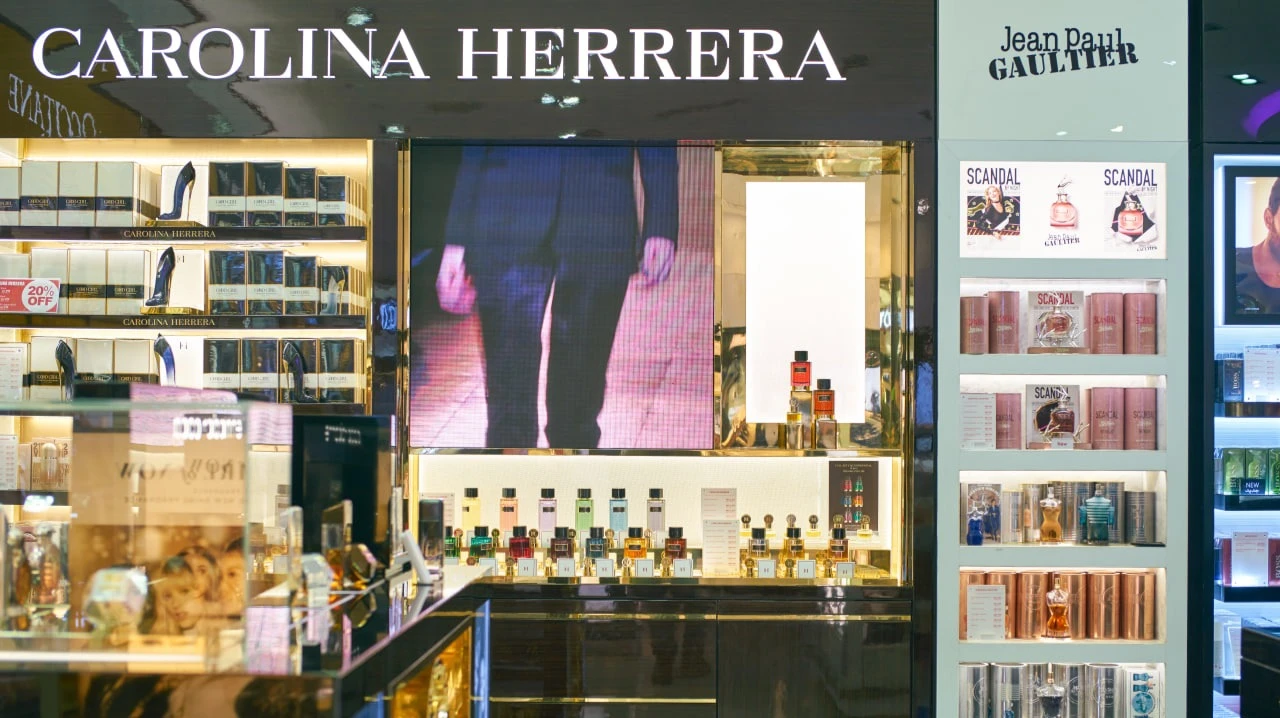
The Puig fragrance group includes brands such as Rabanne, Carolina Herrera, Jean Paul Gaultier, Nina Ricci, Dries Van Noten, Byredo, and others / Photo: Sorbis / Shutterstock.com
The Spanish beauty group Puig, which owns brands such as Jean Paul Gaultier, Rabanne, and Dries Van Noten, has agreed to acquire 75% of the fragrance company Artessence, which owns the Parfums de Marly and Initio Parfums Privés brands. The transaction is valued at approximately €1.2 billion in cash. Puig plans to close the deal in the second quarter of 2027 and finance it through new debt and its own funds.
The remaining 25% of Artessence will remain with the holding company established by the brand’s founder, Julien Sprecher. Puig has also agreed to pay the Sprecher group up to an additional $100 million, depending on the company’s performance over the next two years.
Why Is This Important?
Puig has set a goal of becoming one of the world's top four luxury beauty companies and the second-largest player in the fragrance market, according to Bloomberg .
Since its 2024 IPO, in which the company raised €2.6 billion at a valuation of €13.9 billion, its business has expanded repeatedly through acquisitions: Puig’s portfolio already includes brands such as Charlotte Tilbury, Jean Paul Gaultier, Carolina Herrera, Rabanne, Nina Ricci, and others. The Puig family, which controls the company, previously stated that it intends to compete with larger players in the luxury fragrance market—LVMH and Kering—which are also expanding their presence in this segment through acquisitions.
In March, the Spanish group held merger talks with the larger American company Estée Lauder, but they did not result in a deal. The combined cosmetics giant was valued at more than $40 billion at the time, and Puig’s shares jumped more than 15% on the Madrid Stock Exchange following news of the potential deal. In May, it was reported that the companies had ended negotiations.
What to Do with Stocks
This year, Puig’s stock has risen 41%, while the pan-European Stoxx 600 index has gained only about 9%. According to FactSet, 14 out of 19 analysts recommend buying the Spanish company’s stock. Just a month ago, it had only 12 “buy” ratings. The remaining five analysts hold a neutral stance. There are no “sell” recommendations. The average target price is around €22, which implies a 7% upside potential relative to the closing price on November 27.
This article was AI-translated and verified by a human editor