Estee Lauder has rejected a merger with the owner of Rabanne and Nina Ricci. What about the stock?
The $40 billion deal could be the largest ever for Estee Lauder

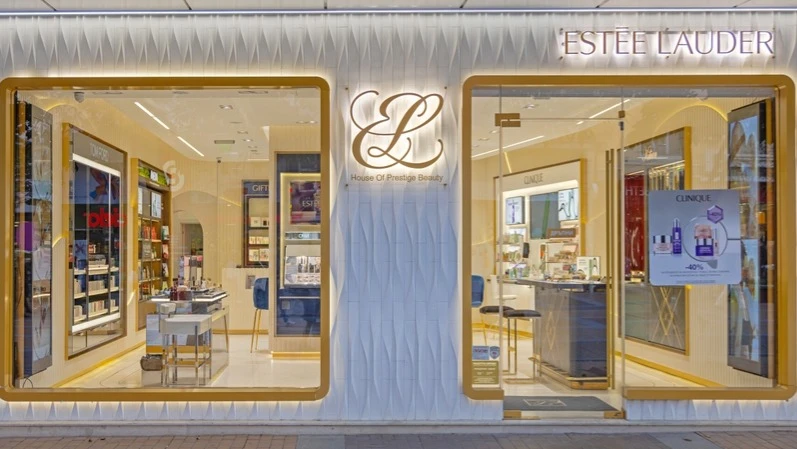
Wall Street feared that Estee Lauder's merger with Barcelona-based high-end fragrance maker Puig would hurt plans to restore profitability / Photo: Baloncici/Shutterstock.com
American Estee Lauder, one of the leaders of the global beauty market, and Spanish perfume company Puig have terminated talks on a merger that could have led to the creation of a new giant in the premium cosmetics market. Investors saw Estee's rejection of the deal as a de-risking of its recovery plan.
Details
Estee Lauder said that instead of merging with Puig, it will focus on its Beauty Reimagined strategy, a plan by CEO Stephane de La Favery to stem falling sales and shrinking market share. Estee Lauder intends to increase investment in its retail network and close inefficient stores, while continuing to look for assets to take over.
According to two Reuters sources, the negotiation process was complicated by the demands of Charlotte Tilbury, founder of the eponymous brand of which Puig is the majority owner. That wasn't the only problem that caused the deal to fall through, the Bloomberg source added.
"We are relieved to hear the news that negotiations have broken down," Reuters quoted Nick Ma of RBC Capital Markets as saying. According to him, the moment for the deal was unfortunate: Estee Lauder is already busy with a large-scale restructuring of the business. In addition, the merger would inevitably become more complicated due to the desire of the families that founded the companies to influence the management of the holding, the expert added.
Estee Lauder shares soared 16% during the evening session on May 21 in New York, later slowing down to add 10% at the time of publication. Puig is down 0.2% after opening trading in Europe.
What could have been
Talks between Estee Lauder and Puig, disclosed in March, could lead to the creation of a $40 billion luxury cosmetics group. A merger with Puig - the largest in Estee Lauder's history - would cement the U.S. company's turn toward growth through its perfume business. Reuters estimated that the merger would have increased Estee's share of the luxury perfume segment from 6% to 15%, almost to the level of global leader L'Oreal with 16%.
Wall Street analysts at the time doubted the ability of the U.S. corporation to seamlessly integrate new brands at a time of internal transformation, which has already led to the reduction of thousands of jobs, recalls Bloomberg. Investment strategists warned that the merger carries high integration risks, will overload Estee Lauder's balance sheet and distract its management from the plan to bring its own business out of the crisis. The day after the confirmation of the negotiations, Puig shares jumped by 15%, while Estee Lauder securities fell by 9%.
Context
Estee Lauder is trying to reshape its business, with the company focusing on fast-growing sales channels including Amazon and TikTok, and offering more affordable products to appeal to younger shoppers. It is still one of the world's top 3 beauty manufacturers (along with L'Oréal and Unilever), but its shares have fallen by about a quarter since the beginning of the year.
Puig is a Barcelona-based family company founded in 1914. Its portfolio includes Paco Rabanne, Nina Ricci, Carolina Herrera, Jean Paul Gaultier and other luxury brands. Puig's core business is perfumery: it accounts for 72% of net sales. Puig went public in Madrid in 2024 at a valuation of €14 billion - the IPO was the largest in Spain in almost a decade. Since then, however, the company's market value has fallen by 28%.
Puig is increasingly having to compete with major luxury manufacturers in the high-end perfume market. LVMH, Kering and Richemont have found that not only jewelry, watches and handbags, but also cosmetics are highly profitable, said Linda Levy, president of the Fragrance Foundation.
Kering is creating its own cosmetics business under the leadership of former Estee Lauder top manager Rafaella Cornaggi and bought Creed Fragrances for €3.5 billion. Luxury cosmetics market leader L'Oreal (which holds licenses to produce perfumes and cosmetics under the Giorgio Armani, Yves Saint Laurent and Ralph Lauren brands), meanwhile, has acquired a stake in Omani luxury fragrance producer Amouage.
This article was AI-translated and verified by a human editor