The S&P 500 and Nasdaq achieved a sixth straight week of gains. Reports supported optimism
Both indices show the longest streak of increases since 2024


The S&P 500 and Nasdaq Composite have a six-week streak of gains for the first time since October 2024 / Photo: X / NYSE
The S&P 500 and Nasdaq Composite stock indexes set new records on Friday, Ma. 8, and climbed for the sixth straight week. For both, it marked the longest streak of weekly wins since October 2024, according to Dow Jones Market Data cited by MarketWatch. The market was supported by a strong corporate reporting season coming to a close, U.S. labor market data for April that was better than analysts' expectations and hopes for an end to the war in Iran.
Details
- On Ma 8, the broad market index S&P 500 rose 0.84% to close at 7398.9 points, which was a new record. During the week, the index added 2.3%.
- The blue-chip index Dow Jones Industrial Average added a slight 0.02%, reaching 49,609.16 points on Friday. Over the week it rose by 0.22%.
- The Nasdaq Composite Technology Sector Index rose 1.7% during the day to close at 26,247.08 points, which was also a new high for the index. At the end of the week, the index increased by 4.5%.
- The index of small and medium capitalization companies Russell 2000 rose by 0.76%, reaching 2861.2 points. At the end of the week it added 1.6%.
- Brent crude futures were up 0.7% to $100.75 a barrel on Friday, while WTI crude was up 0.12% to $94.9 a barrel.
- Gold rose 0.7% to $4716 an ounce.
- Bitcoin added 0.1% over the day and traded at $80,260. This week, the token crossed the $80,000 level for the first time since January.
What influenced the market
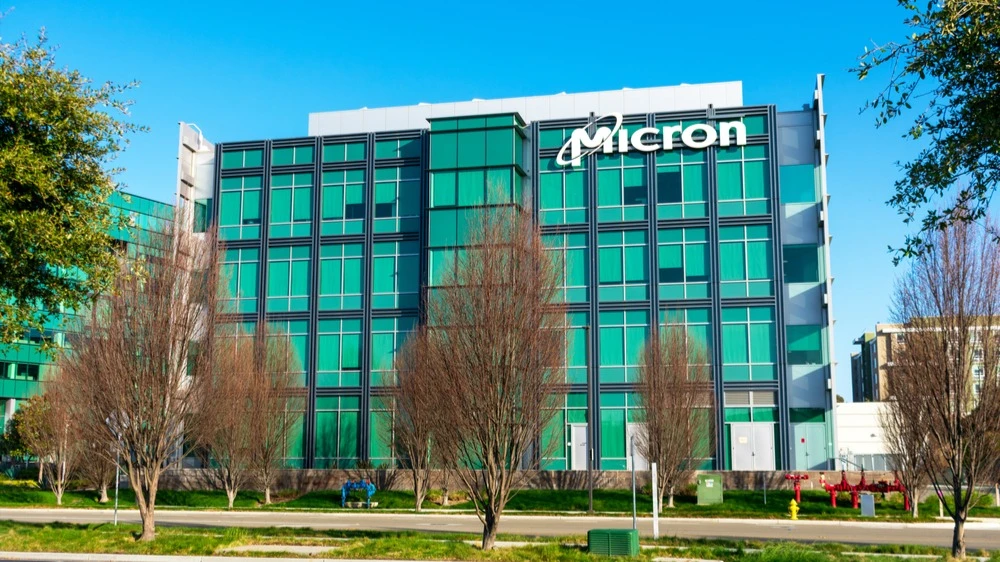
Strong reports from technology companies propelled the Nasdaq Composite to the top of the week. At trading on Friday, Intel shares jumped by 14% after The Wall Street Journal reported that Apple may place orders at the chipmaker's contract manufacturing facility. At the same time, the securities of its rival AMD rose by 11.4% (it reported on Wednesday). Increases in the forecasts of technology companies on capex led to the growth of securities of memory manufacturers: shares of Micron and Sandisk on Friday soared by 15.5% and 16.6% respectively, and over the week rose by 37.7% and 31.6%.
On strong reporting from technology companies, the Philadelphia Stock Exchange Semiconductor Index added 11% over the week. A total of 82% of companies in the S&P 500 beat earnings forecasts for the first quarter, according to data compiled by Bloomberg.
Investor sentiment was also supported by data from the U.S. Bureau of Labor Statistics: the number of jobs outside of agriculture in April increased by 115,000, which was higher than the forecast of economists surveyed by Dow Jones: they expected growth of 55,000. The US unemployment rate also remained unchanged at 4.3%, which matched expectations.
The strong jobs report overshadowed preliminary data from the University of Michigan showing that consumer sentiment fell to a new record low in recent weeks amid concerns about the impact of inflation on personal finances and shopping conditions, Bloomberg notes.
However, oil prices rose slightly on Friday after the U.S. and Iran exchanged strikes in the Strait of Hormuz, but a truce between the sides held. Investors are awaiting Iran's response to a U.S. proposal to end the conflict. U.S. Secretary of State Marco Rubio told reporters on Friday that the U.S. "should learn something today." However, there was no news by the time this text was published.
What the analysts are saying
- "The economy is in much better shape than the gloom-and-doom prognosticators claimed," Northlight Asset Management Chief Investment Officer Chris Zaccarelli told Bloomberg. - There are many pressures - higher oil prices, sustained inflation and higher rates for longer - and yet the labor market continues to create jobs." He emphasizes, however, that stock prices are following announced corporate earnings, "and those - at least for now - are growing too fast for investors to ignore."
- "Bears continue to point to the narrowness of the rally, especially in segments such as semiconductors, but the main factor pushing markets up remains growth inertia - both in quote dynamics and earnings outlook revisions," Nationwide Investment Management Group chief market strategist Mark Hackett told Bloomberg.
- "Strong data and inflation have probably put a crimp in any [Fed] policy easing for the foreseeable future, although that could change depending on what the energy price trend and the situation in the Middle East is," Lindsay Rosner, head of multisector investing at Goldman Sachs Asset Management, explained to Bloomberg.
- The market's recent gains are unlikely to continue, especially given how much optimism around capital spending on artificial intelligence is supporting it, according to Globalt Investments senior portfolio manager Keith Buchanan. "The market is trading at valuations that don't reflect the risks we see," he emphasized in a conversation with CNBC, pointing to the likelihood of the conflict in the Middle East lasting longer than expected and its increasingly negative impact on the consumer. "This is a story about AI spending and its ripple effects, and the profits that are absolutely supporting an economy that without that spending and optimism would probably look pretty sluggish," Buchanan elaborated.
This article was AI-translated and verified by a human editor